 High-Speed Rail and Metro Connectivity
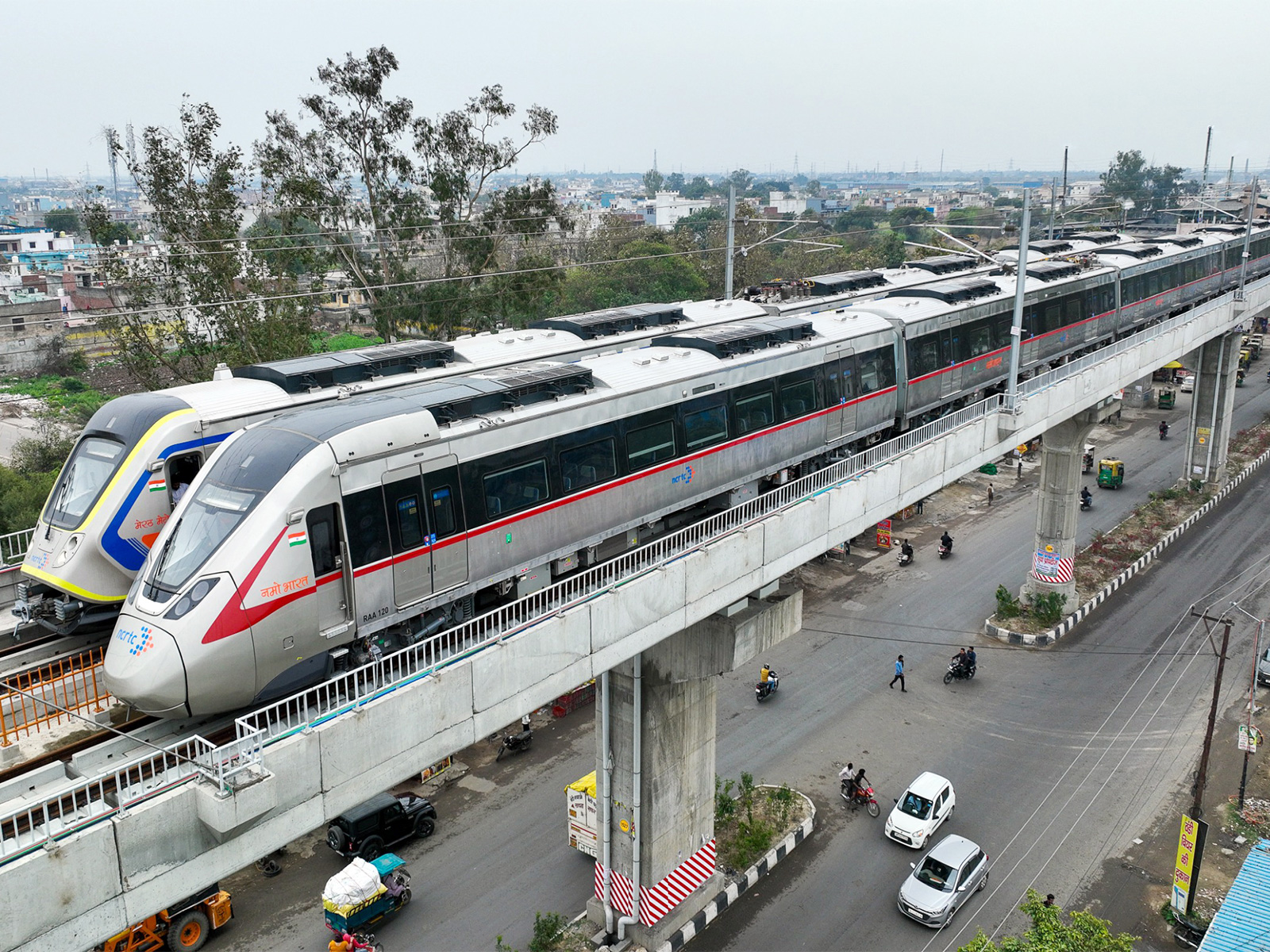
The NaMo Bharat train, India’s first Regional Rapid Transit System, is designed for speeds up to 180 kmph, linking Delhi and Meerut efficiently. The Meerut Metro, operating on the same infrastructure, is India’s fastest metro system with a top speed of 120 kmph, covering the entire route in approximately 30 minutes. This initiative is expected to drastically reduce commute time between Delhi and Meerut, currently around two hours by road, to just 55 minutes by rapid rail.
PM Modi’s Detailed Itinerary
According to the district administration, the Prime Minister landed at Hindon Airport, Ghaziabad, at 11 am and proceeded to Meerut. Uttar Pradesh Chief Minister Yogi Adityanath arrived at Shatabdi Nagar helipad by 11:15 am to welcome him. By 12:30 pm, PM Modi flagged off the NaMo Bharat train and Meerut Metro from Shatabdi Nagar station, followed by a metro ride to Meerut South station alongside CM Adityanath.
From Meerut South, PM Modi traveled to Mohiuddinpur by road, addressing a public meeting at 1 pm and inaugurating multiple development projects across the region, covering sectors like transport, urban development, and social infrastructure. The projects are part of the government’s broader strategy to enhance regional connectivity and sustainable urban mobility.
Security and Logistical Preparations
UP Chief Minister Yogi Adityanath personally reviewed security arrangements, including multi-layered deployment, traffic management, parking, VIP movement, and public cleanliness measures ahead of the Prime Minister’s visit. Authorities implemented extensive traffic diversions and safety protocols to ensure a seamless inauguration.
National Impact and Future Prospects
The inauguration of NaMo Bharat and the Meerut Metro represents a significant milestone in India’s urban transport planning. The 82-km Delhi-Meerut corridor, which includes newly completed stretches between Sarai Kale Khan and New Ashok Nagar in Delhi, as well as Meerut South to Modipuram in UP, will provide commuters with faster, safer, and more reliable travel. Experts expect this project to serve as a model for other regional rapid transit systems in India.
The Prime Minister’s Office highlighted that the initiative is part of a wider governmental push to expand rapid rail networks, reduce traffic congestion, and promote environmentally sustainable urban mobility. Citizens and daily commuters are set to benefit significantly from improved travel time, convenience, and reduced carbon footprint.