 VAging and the Blood-Brain Barrier
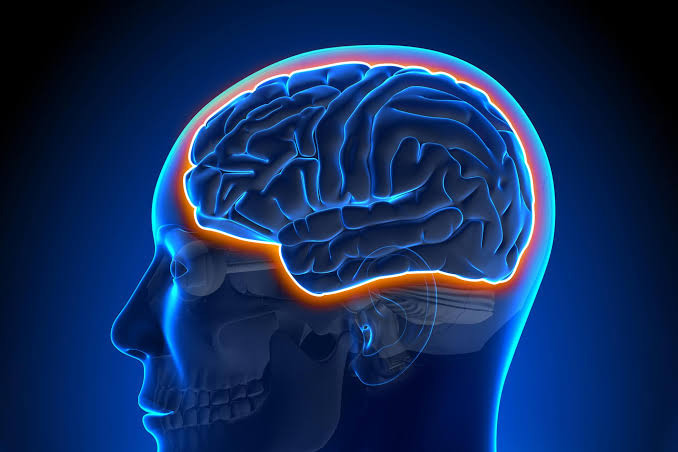
The blood-brain barrier acts as a shield, preventing harmful substances in the bloodstream from entering brain tissue. With age, this network of blood vessels becomes more fragile, allowing damaging molecules to leak in. Such leakage triggers inflammation linked to memory loss, cognitive decline, and neurodegenerative conditions like Alzheimer’s disease.
How Exercise Signals From Liver to Brain
Earlier studies found that exercise increases levels of the enzyme GPLD1 in the liver, which indirectly benefits the brain. UCSF scientists have now identified that GPLD1 removes TNAP, a protein that accumulates in the blood-brain barrier with age and contributes to leakiness. By reducing TNAP, exercise restores barrier integrity and lowers inflammation.
Experimental Evidence
Young mice genetically engineered to overproduce TNAP in the blood-brain barrier showed memory deficits resembling aged animals. Conversely, reducing TNAP levels in older mice improved barrier function, decreased inflammation, and enhanced cognitive performance. The findings highlight a novel systemic mechanism by which the body, not just the brain, influences cognitive aging.
Implications for Alzheimer’s and Cognitive Health
The study suggests that targeting TNAP or similar proteins could offer new therapeutic avenues to restore blood-brain barrier function, even later in life. “This research uncovers biological pathways overlooked in Alzheimer’s studies, opening potential interventions beyond traditional brain-focused strategies,” said Dr. Saul Villeda, senior author and associate director of UCSF’s Bakar Aging Research Institute.
UCSF’s research emphasizes that lifestyle interventions such as exercise can profoundly impact brain health by acting on systemic factors. Regular physical activity may therefore play a pivotal role in preventing or slowing cognitive decline.