 Zero Defect, Zero Effect Vision
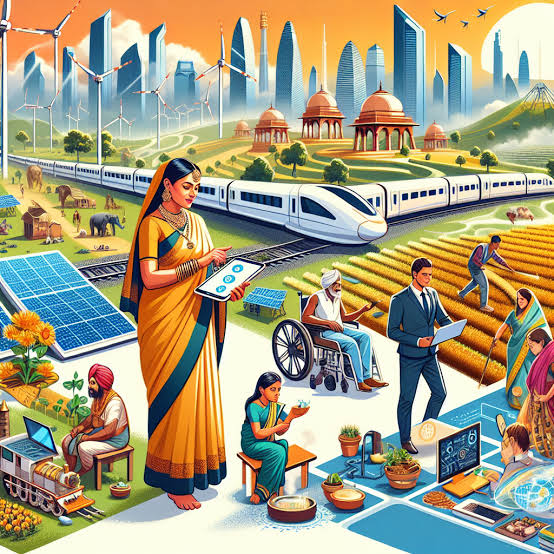
Shri Goyal linked the initiative to the broader vision of Viksit Bharat 2047. He described three foundational pillars for India’s long-term economic growth: zero defect representing world-class quality, zero effect reflecting sustainability, and equitable opportunity ensuring inclusive progress.
He stressed that no nation can thrive merely as a consumer. India, he said, must establish itself as a globally trusted producer of high-quality goods and services. Brand India, according to the Minister, should symbolize reliability, trust and excellence in every market it enters.
$2 Trillion Export Ambition
The Minister underlined that India’s $2 trillion export target — evenly split between merchandise and services over the next six to seven years — hinges on strict adherence to global quality benchmarks. He pointed out that while India has been the fastest-growing major economy in recent years, its share in global trade remains modest.
Achieving scale without sacrificing standards will be crucial, particularly in labour-intensive and export-driven sectors such as textiles, leather, footwear and pharmaceuticals.
Leveraging Free Trade Agreements
Highlighting India’s expanding trade footprint, Shri Goyal said nine Free Trade Agreements concluded over the past three to three-and-a-half years with 38 developed countries now cover nearly two-thirds of global GDP and trade. These agreements create significant market access opportunities, provided Indian products consistently meet high global standards.
Five-Pillar Roadmap for Quality
Outlining a structured action plan, Shri Goyal proposed a five-pillar roadmap to institutionalise quality across India’s manufacturing ecosystem. This includes establishing clear standard operating procedures with rigorous compliance and inspection mechanisms from raw material to finished product stage.
The second pillar focuses on skilling and re-skilling the workforce to improve productivity and reduce wastage. The third calls for benchmarking against global best practices to enhance competitiveness and sustainability outcomes.
Streamlining testing and certification processes to cut delays and costs forms the fourth pillar, while strengthening shared infrastructure through modern automated testing facilities across manufacturing clusters completes the framework.
Support for MSMEs and Compliance
Shri Goyal assured that financial support would not be a constraint in building high-quality testing infrastructure. He encouraged industries, especially micro and small enterprises, to seek assistance under government initiatives such as the Export Promotion Mission for international approvals and compliance requirements.
He referred to global regulatory measures including REACH, CBAM verification, and SPS and TBT standards, noting that government backing would help MSMEs overcome non-tariff barriers and access global markets more effectively.
From ‘Chalta Hai’ to Culture of Excellence
The Minister acknowledged that Indian consumers once differentiated between domestic and “export quality” products, a dual system he described as outdated and unacceptable. He called for uniform standards across domestic and international markets.
Replacing the “chalta hai” mindset with a culture of excellence must become a shared responsibility, he said, spanning promoters, directors, factory workers and laboratory personnel alike.
Collaborative National Effort
The National Quality Conclave, organised by the Department for Promotion of Industry and Internal Trade (DPIIT) in partnership with the Quality Council of India (QCI), adopted a structured consultation model across more than 20 cities and 14 clusters. Over 50 regulatory bodies and numerous industry stakeholders participated in sector-specific dialogues known as Gunvatta Manthan.
Union Minister of State Shri Jitin Prasada emphasised that quality-led manufacturing is essential as global opportunities expand. DPIIT Secretary Shri Amardeep Singh Bhatia described quality as a long-term commitment necessary for building international trust and integrating India deeper into global supply chains.
QCI Chairperson Shri Jaxay Shah added that quality must go beyond audits and certifications to become a daily discipline at the shopfloor level. The outcomes of the Conclave will feed into a National Quality Roadmap for Manufacturing, guiding coordinated action among government, regulators and industry.
As India positions itself for accelerated growth during Amrit Kaal, the message from the Conclave was unequivocal: quality is not optional, but foundational to achieving Viksit Bharat 2047.