According to the government, the aggregate monetisation potential under NMP 2.0 is estimated at ₹16.72 lakh crore, including ₹5.8 lakh crore expected as private sector investment.
 Building on NMP 1.0 Success
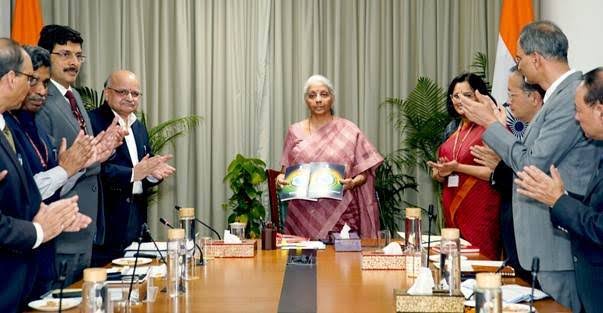
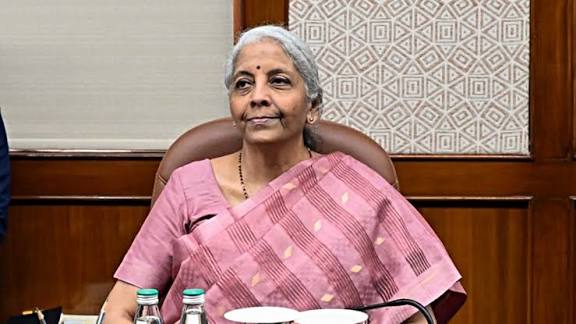
Speaking at the launch, the Finance Minister congratulated ministries and NITI Aayog for achieving nearly 90 percent of the ₹6 lakh crore target set under NMP 1.0 over four years. She said the lessons learned from the first phase would help improve efficiency and execution in the second phase.
Sitharaman described NMP 2.0 as aligned with India’s long-term infrastructure vision under Viksit Bharat. She emphasised the need for process simplification and standardisation to make asset monetisation seamless and investor-friendly.
The five-year target under NMP 2.0 is over 2.6 times higher than that of the first phase, reflecting the government’s confidence in asset recycling as a sustainable financing strategy.
Sector-Wise Monetisation Targets
The infrastructure sectors included in NMP 2.0 span highways, railways, power, ports, civil aviation, coal, mines, telecom, tourism and urban infrastructure.
Highways, including Multi-Modal Logistics Parks (MMLPs) and ropeways, account for the largest share at ₹4.42 lakh crore (26%). Power follows with ₹2.76 lakh crore (17%), while railways and ports are each projected at around 16% of the total pipeline.
Coal (₹2.16 lakh crore) and mines (₹1 lakh crore) also form a significant portion of the asset pipeline. Other sectors such as petroleum and natural gas, civil aviation, warehousing, telecom and tourism contribute smaller but strategic shares.
Funding Flow and Implementation Framework
The proceeds from monetisation will flow into different channels depending on the implementing authority. Revenues generated by central ministries will accrue to the Consolidated Fund of India, while those from public sector undertakings will remain with the respective PSUs.
In sectors like coal and mining, royalties will contribute to State Consolidated Funds. Additionally, direct private investment under public-private partnership models will form a substantial component of the pipeline.
The government will deploy a mix of instruments including PPP concessions, Infrastructure Investment Trusts (InvITs), securitisation of cash flows, and strategic commercial auctions. The choice of instrument will depend on asset nature, sector dynamics and investor profile.
Monitoring and Governance Mechanism
An empowered Core Group of Secretaries on Asset Monetisation, chaired by the Cabinet Secretary, will continue to oversee implementation. The initiative follows a whole-of-government approach, involving infrastructure ministries and the Ministry of Finance.
NMP 2.0 has been structured as a guidance document detailing methodology and roadmap for asset monetisation. The government has clarified that monetisation potential values are indicative and may vary based on market conditions at the time of transaction.
Recycling Assets to Fund Growth
The Finance Minister underscored that asset monetisation enables recycling of brownfield infrastructure, unlocking capital for new projects without increasing fiscal burden. By leveraging operational assets, the government aims to mobilise funds for fresh capital expenditure efficiently.
As India accelerates infrastructure expansion to support economic growth, NMP 2.0 is expected to play a crucial role in sustaining investment momentum and strengthening public-private collaboration over the next five years.