 Human Rights Dimension of Spurious Drugs
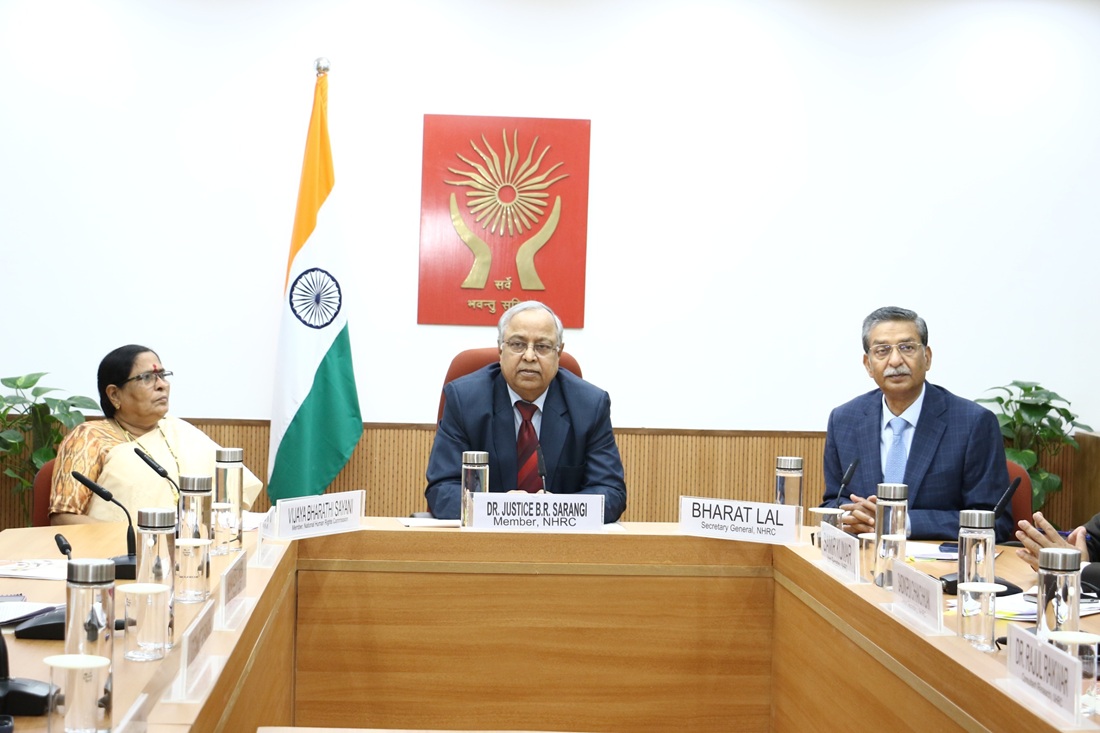
Justice Sarangi underscored that even isolated regulatory lapses in a country as vast as India can escalate into large-scale human distress if not addressed decisively. He warned that spurious, substandard and falsified medicines pose a grave human rights concern, demanding multi-sectoral coordination.
NHRC Member Smt. Vijaya Bharathi Sayani highlighted the human cost of poor-quality medicines, recalling a personal instance of permanent vision loss within her family due to improper treatment. She stressed the urgent need to strengthen oversight and accountability mechanisms within the pharmaceutical ecosystem.
Secretary General Shri Bharat Lal clarified the distinction between “spurious drugs” and “substandard drugs.” While spurious drugs are typically counterfeit or deliberately mislabelled products often linked to criminal networks, substandard medicines are authorised products that fail to meet prescribed quality standards.
Legal and Regulatory Concerns
Citing provisions under Section 17-B of the Drugs and Cosmetics Act, 1940, Shri Lal noted that spurious drugs often lack identifiable manufacturers, making criminal investigation essential. Substandard drugs, on the other hand, can be traced to legitimate manufacturers but still compromise patient safety.
Referring to the National Survey on Drugs, he observed that nearly 10 per cent of government samples tested were found to be substandard. He also mentioned the Commission’s recent notices to certain state governments and Union authorities following media reports of children allegedly dying after consuming contaminated cough syrups.
Former NHRC Member Shri Rajiv Jain proposed establishing special drug courts for expeditious trials and recommended real-time drug testing mechanisms, mandatory QR codes, and blockchain-based track-and-trace systems to secure supply chains.
Technology, Databanks and Enforcement
A key suggestion emerging from the discussion was the creation of a comprehensive, centralised national databank on spurious and substandard medicines. Participants recommended integrating inputs from enforcement agencies, regulators and state governments to enable real-time intelligence sharing.

Stakeholders also emphasised predictive analytics, supply-chain mapping and AI-based anomaly detection to identify suspicious distribution patterns. Capacity-building of drug inspectors through structured training and institutionalised feedback mechanisms was strongly advocated.
Dr. Keshav Kumar, Special Rapporteur to the NHRC, pointed to low conviction rates and delays in adjudication as critical challenges. He recommended central and state-level task forces, enhanced regulatory compliance and improved inter-agency coordination.
Multi-Stakeholder Participation
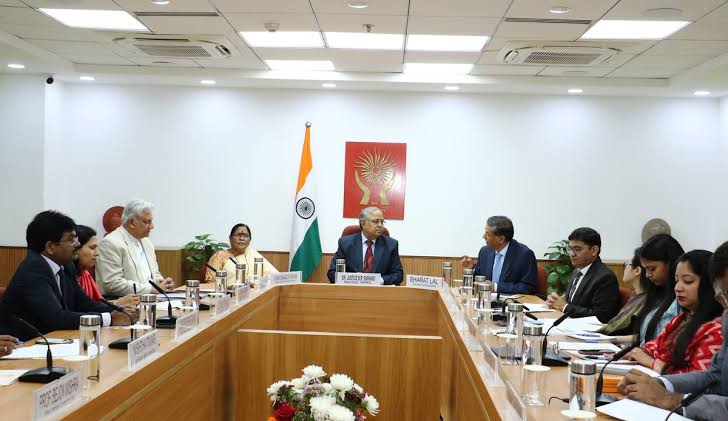
The discussion saw participation from officials of the Ministry of Home Affairs, the Central Drugs Standard Control Organisation, the National Pharmaceutical Pricing Authority, the National Investigation Agency, and representatives of the pharmaceutical industry and academia.
Joint Drugs Controller Shri Chandrashekhar Ranga highlighted ongoing efforts such as coordinated inspections and strengthened surveillance systems. Experts also stressed compulsory use of NABL-accredited laboratories, surprise inspections, digital case tracking and robust whistle-blower protection mechanisms.
Participants further recommended transferring pending cases under the Drugs and Cosmetics Act to competent Sessions Courts, in line with recent Supreme Court judgments.