 How the Incident Unfolded
The controversy began in August 2025 when a junior civil judge in Vijayawada passed an order in a property dispute. The judge relied on four past judgements to dismiss the defendants’ objections, which were later found to be entirely fabricated by an AI program. The high court recognized that the judge had relied on AI in “good faith,” but it still raised alarms about the integrity of legal proceedings.
The high court initially upheld the lower court’s decision, stating that while citations were non-existent, the legal principles applied were correct. The junior judge explained it was her first time using AI and that she believed the sources were genuine. She emphasized that the error was unintentional and stemmed from reliance on automated tools.
Supreme Court’s Response
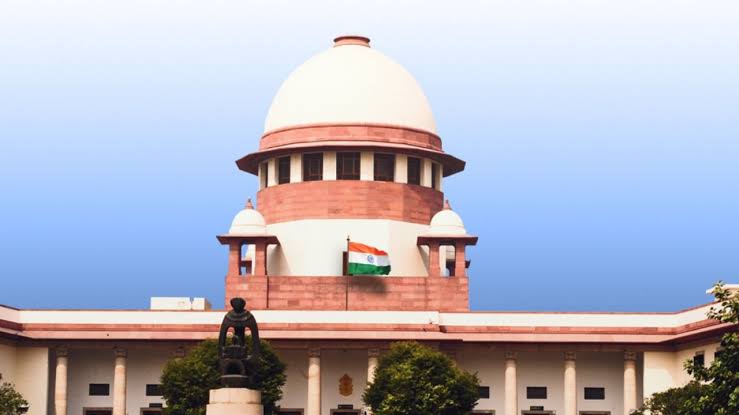
Unlike the high court, the Supreme Court has emphasized the gravity of using AI-generated content in judicial rulings. It described the use of AI in this context not as a simple error but as potential misconduct undermining the adjudicatory process. The top court issued notices to India’s Attorney General, Solicitor General, and the Bar Council of India to examine the issue further.
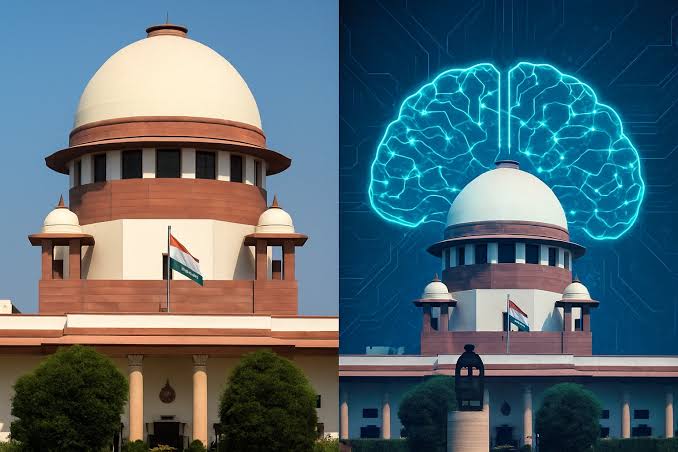
The Court underlined that while AI can assist in legal research, human oversight remains indispensable. Judges and lawyers are warned against blind reliance on generative AI tools, which are prone to “hallucinations” and may invent sources or fabricate rulings.
Global Concerns and AI Regulation in Courts
India’s judicial institutions are not alone in grappling with AI challenges. In the US, federal judges have faced scrutiny for errors resulting from AI-assisted rulings, while the High Court of England and Wales cautioned lawyers against using AI-generated case material after multiple fictitious citations were discovered. Experts stress that generative AI must be carefully monitored to maintain legal integrity.
Last year, the Supreme Court released a white paper on AI in the judiciary, outlining best practices and guidelines for its safe use by courts, lawyers, and clerks. The paper emphasizes human oversight, institutional safeguards, and strict adherence to verification protocols.
Calls for Responsible AI Use
The incident has reignited debates about AI’s role in legal proceedings across India. The Court highlighted the importance of exercising “actual intelligence over artificial intelligence” and warned that inappropriate use could lead to serious legal and ethical consequences. Legal professionals nationwide are being urged to verify sources independently, even when assisted by AI tools.
This case marks a significant moment in India’s engagement with AI, demonstrating the Supreme Court’s commitment to preserving the credibility of the judicial process while balancing technological innovation.