
The clarification comes amid growing public attention and media coverage surrounding the accident. The AAIB reiterated its commitment to conducting a thorough, evidence-based investigation aimed at identifying root causes and improving aviation safety standards across India’s rapidly expanding civil aviation sector.
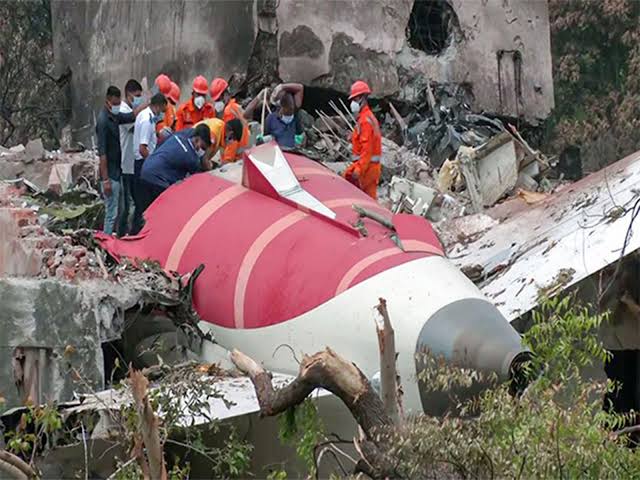 No Final Conclusions Yet, Says AAIB
According to the bureau, the investigation into Air India Flight AI-171 is progressing in accordance with established procedures, and no final conclusions have been reached at this stage. The AAIB stressed that aviation accident investigations are complex technical processes that require careful examination of physical evidence, flight data, maintenance records, and operational factors.
The agency explained that premature reporting or assumptions about the investigation’s outcome can create confusion and undermine public trust. The bureau highlighted that its role is to independently determine the sequence of events, contributing factors, and safety implications based strictly on verified evidence.
Officials emphasised that any conclusions will only be published after the entire investigation process has been completed, reviewed, and validated in accordance with national and international aviation standards.
Investigation Follows International Aviation Norms
The AAIB conducts its investigations under the Aircraft (Investigation of Accidents and Incidents) Rules, 2025, which align with India’s obligations under the International Civil Aviation Organization (ICAO) Annex 13 framework. This globally recognised standard ensures transparency, technical accuracy, and independence in aviation accident investigations.
These investigations are not intended to assign blame but to identify safety deficiencies and recommend corrective actions. By focusing on systemic improvements, aviation authorities aim to prevent similar incidents in the future and enhance overall safety for passengers, airlines, and aviation personnel.
Preliminary Report Provided Initial Facts
The AAIB noted that a preliminary report had already been released earlier, providing factual information available during the early stages of the investigation. Such reports are standard practice in aviation accident investigations and serve to inform authorities, stakeholders, and the public about known facts without drawing final conclusions.
However, the bureau emphasised that preliminary findings should not be interpreted as definitive conclusions. The final report, which will include detailed analysis, conclusions, and safety recommendations, will be issued only after completing the full investigative process.
This final document will play a crucial role in identifying necessary safety improvements and ensuring the aviation ecosystem continues to evolve with stronger safeguards and operational resilience.
Warning Against Speculative Media Reporting
The AAIB expressed concern over speculative media reports suggesting that the investigation had already been completed. It warned that unverified reporting could cause unnecessary public anxiety and potentially interfere with the integrity of the investigative process.
The bureau urged media organisations and commentators to rely only on official statements and verified information. Responsible reporting, officials said, is essential to maintaining public confidence and ensuring that sensitive investigations proceed without misinformation.
The agency reaffirmed that it remains committed to transparency and will share verified findings with the public once the investigation reaches its formal conclusion.
Strengthening Aviation Safety Remains Priority
The investigation into Air India Flight AI-171 is part of India’s broader commitment to strengthening aviation safety as the country’s aviation sector continues to grow rapidly. With increasing passenger volumes, expanding airline fleets, and new airport infrastructure, ensuring safety remains a critical priority.
Accident investigations provide valuable lessons that help improve training, aircraft maintenance, operational protocols, and regulatory oversight. These improvements contribute to building a safer aviation ecosystem and reinforcing India’s reputation as a reliable aviation hub.
The AAIB emphasised that its work is guided by professional integrity, technical expertise, and adherence to international standards. Once completed, the final report will provide clarity, strengthen safety systems, and support the continued growth of India’s aviation industry.