Focus on Indigenous 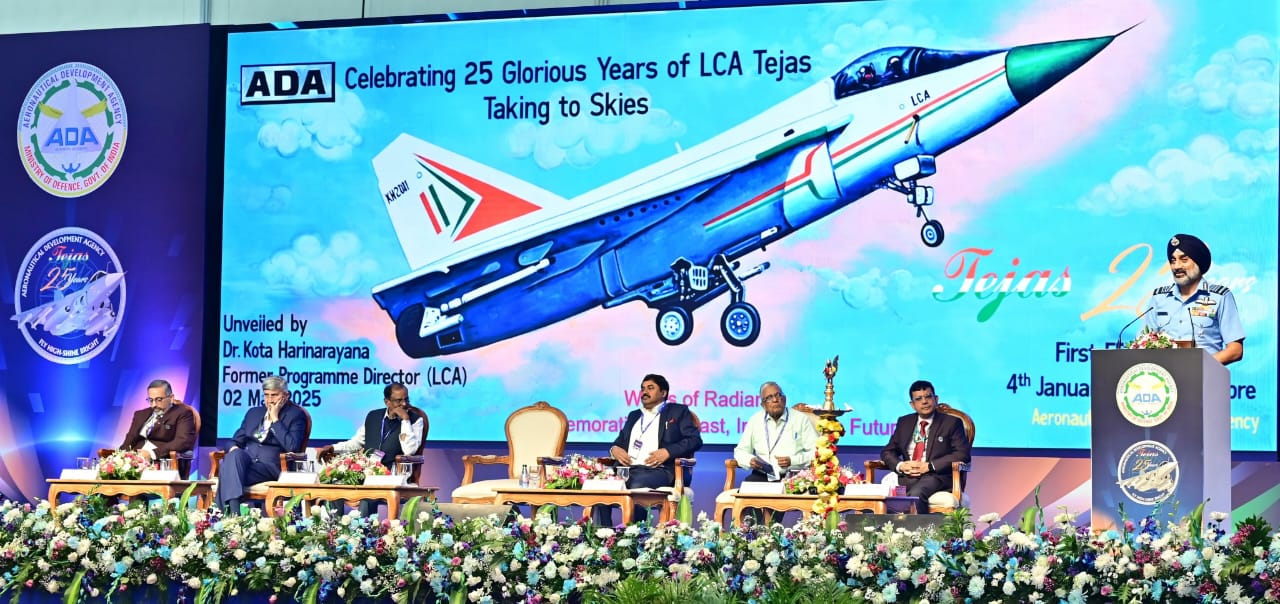 Capability and Timely Delivery
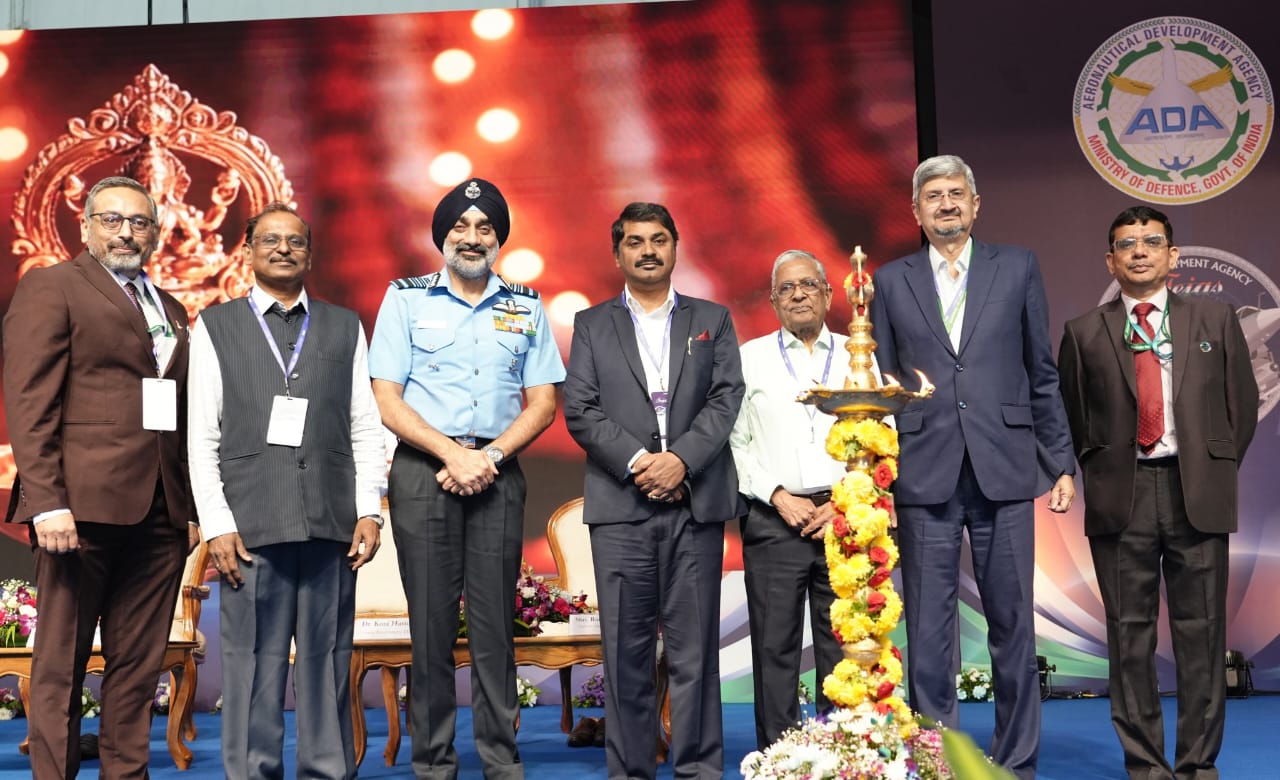
Addressing the gathering, the Air Chief emphasised that timely induction of indigenous platforms is crucial for maintaining combat readiness. He noted that programmes such as LCA Tejas are central to reducing dependence on foreign platforms while strengthening India’s self-reliance in defence manufacturing.
Secretary, Department of Defence Research and Development, and Chairman of DRDO, Dr Samir V. Kamat, echoed similar views. He stressed that the development of cutting-edge indigenous technologies is essential for achieving the national vision of Viksit Bharat @2047, adding that sustained investment in research and innovation would be key to future readiness.
Exploring the Future of Aeronautics
The Aeronautics 2047 seminar has brought together domain experts, industrial partners, aviation enthusiasts, and representatives from academic institutions across the aerospace ecosystem. The discussions are focused on the evolution of aeronautical design, manufacturing excellence, and emerging frontiers in aerospace technology.
Key themes include next-generation aircraft manufacturing and assembly, digital manufacturing processes, advanced aerodynamics for future combat aircraft, propulsion technologies, and modern flight testing techniques. Sessions are also dedicated to digital twin technology, certification challenges, and advances in flight control systems and avionics.
LCA Tejas: From Concept to Combat Squadron
A major highlight of the seminar is a detailed look at the journey of the LCA Tejas programme, from initial sketches to operational deployment. Designed and developed by ADA, the aircraft has successfully completed over 5,600 flight trials, showcasing India’s growing capability in complex aircraft development.
More than 100 design and development centres, including government laboratories, academic institutions, and private industries, have contributed to the programme. Several niche technologies such as carbon composites, lightweight materials, fly-by-wire flight control systems, digital utility management systems, and glass cockpits were indigenously developed as part of the effort.
Next-Generation Variants and Industrial Participation
The LCA Mk1A, an advanced variant of the Tejas, is set to play a critical role in meeting the operational requirements of the Indian Air Force. Meanwhile, the LCA Mk II and the naval variant of the LCA are currently under development, reflecting India’s ambition to expand its indigenous fighter aircraft portfolio.
During the seminar, a series of technical talks by experts associated with the Tejas programme are being delivered, providing insights into design challenges, manufacturing solutions, and operational lessons learned.
Adding to the event’s significance, public sector undertakings, defence public sector units, private industries, and MSMEs are showcasing indigenously designed products for airborne applications, highlighting the depth of India’s aerospace supply chain.
Strengthening India’s Aerospace Future
The LCA programme is widely regarded as one of India’s most successful indigenous defence initiatives. So far, 38 aircraft, including 32 fighter variants and six trainers, have been inducted into two squadrons of the Indian Air Force, significantly enhancing the country’s air combat capability.
The Aeronautics 2047 seminar reflects India’s determination to build a robust, self-reliant aerospace sector aligned with long-term national goals.