
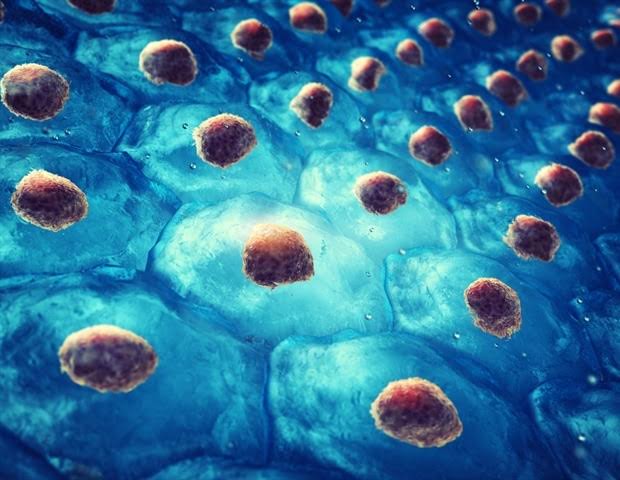
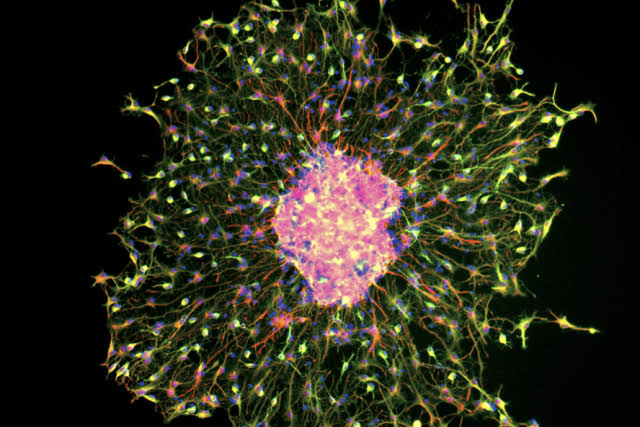

The UCLA team studied muscle stem cells from young and aged mice and identified a dramatic increase in a protein called NDRG1 in older cells. Levels of this protein were found to be nearly 3.5 times higher in aged muscle stem cells.
NDRG1 acts as a molecular brake, suppressing the mTOR signalling pathway that normally drives cell activation and growth. While this suppression slows muscle repair, it also shields stem cells from stress, allowing them to survive longer within aging tissue.
Reversing aging at a cost
To test whether NDRG1 was responsible for slower regeneration, researchers allowed mice to age naturally to the equivalent of about 75 human years before blocking the protein’s activity. The results were striking.
Aged muscle stem cells rapidly regained youthful behaviour, activating quickly and repairing injured muscle more efficiently. However, this rejuvenation came at a significant cost: fewer stem cells survived over time, weakening the muscle’s ability to recover from repeated injuries.
Survival versus performance
Senior author Dr. Thomas Rando, Director of UCLA’s Broad Center of Regenerative Medicine, described the finding as a fundamental trade-off. He likened young stem cells to sprinters—fast and powerful but unable to endure long distances.
By contrast, aged stem cells resemble marathon runners. They respond more slowly, but their resilience allows them to persist under chronic stress. Ironically, the very traits that help them survive also limit their regenerative performance.
Cellular survivorship bias
The researchers observed what they termed a “cellular survivorship bias.” Over time, muscle stem cells that fail to accumulate enough NDRG1 die off, leaving behind a population that is slower but far more durable.
This process explains why aging tissues are dominated by resilient yet less functional cells, reshaping how scientists understand tissue decline and regeneration.
Implications for human health
While the study was conducted in mice, its implications extend to human aging and regenerative medicine. The findings suggest that therapies designed to boost tissue repair must carefully balance enhanced function with long-term stem cell survival.
Experts caution that aggressively reactivating aged stem cells could lead to their depletion, worsening degeneration over time. As Dr. Rando noted, there is “no free lunch” when it comes to reversing aging at the cellular level.
A new way of thinking about aging
The study aligns with broader biological principles seen across species. In harsh environments, organisms prioritise survival mechanisms over reproduction. Similarly, aging stem cells appear to redirect resources away from rapid regeneration to ensure longevity.
Indian researchers working on muscle degeneration and aging-related disorders may find these insights particularly relevant, as India’s elderly population continues to grow rapidly.