
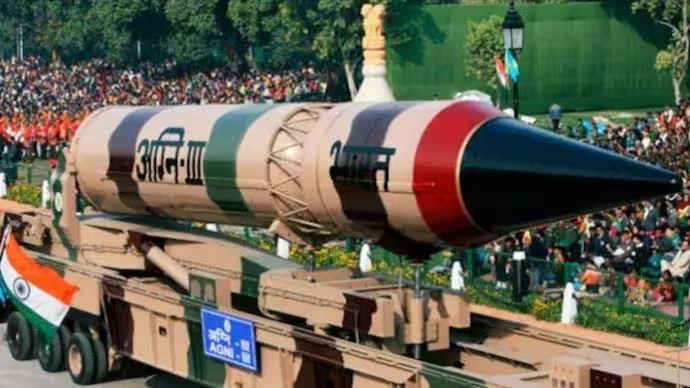
India on Thursday successfully conducted the test-firing of the Intermediate Range Ballistic Missile (IRBM) Agni-3 from the Integrated Test Range at Chandipur in Odisha, marking another important milestone in the country’s strategic defence preparedness. The launch, carried out on February 6, 2026, validated all operational and technical parameters of the missile, officials said.
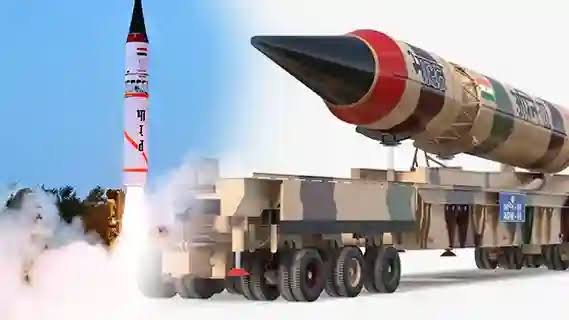

The Agni-3 missile test was aimed at assessing the weapon system’s operational readiness and ensuring that it continues to meet the stringent requirements of India’s strategic deterrence doctrine. Defence authorities confirmed that all subsystems performed as expected during the flight.
The successful launch demonstrates India’s ability to maintain a credible minimum deterrent through a robust and reliable missile force. The Agni series of missiles forms the backbone of the country’s land-based nuclear deterrent, providing strategic reach and flexibility.
About the Agni-3 Missile
Agni-3 is an intermediate range ballistic missile capable of carrying a nuclear warhead and striking targets at long distances. It is designed to bridge the gap between short-range and intercontinental ballistic missiles within India’s strategic arsenal.
The missile is known for its advanced guidance and navigation systems, which ensure high accuracy and stability during flight. Over the years, multiple tests of the Agni-3 have helped refine its capabilities, making it a dependable component of India’s missile forces.
Strategic Forces Command Oversight
The test-firing was executed under the direct oversight of the Strategic Forces Command, highlighting the operational role of the armed forces in managing strategic assets. This approach ensures seamless coordination between missile developers, testing agencies, and end-users.
Such tests are a routine part of India’s defence preparedness and are conducted to ensure that the systems remain fully functional and responsive in diverse operational scenarios.
Integrated Test Range, Chandipur
The Integrated Test Range at Chandipur in Odisha continues to play a crucial role in India’s missile development and testing programme. Equipped with sophisticated tracking and telemetry systems, the facility enables precise monitoring of missile launches.
Chandipur has hosted numerous tests of ballistic and cruise missiles, contributing significantly to the advancement of indigenous defence technologies.
Strengthening India’s Strategic Posture
The successful Agni-3 test comes at a time when regional and global security dynamics remain complex. By regularly validating its strategic systems, India underscores its commitment to maintaining peace through credible deterrence.
Defence experts note that such tests are not directed at any specific country but are essential for ensuring national security and technological self-reliance.
Government and Official Response
While detailed technical data from the test remains classified, official statements emphasised that the mission fully met its objectives. The achievement reflects the sustained efforts of India’s defence establishment in maintaining high operational standards.
Looking Ahead
With the successful validation of Agni-3, India continues to reinforce the credibility of its strategic deterrent forces. Ongoing testing and upgrades ensure that the missile systems remain effective, secure, and aligned with evolving defence requirements.
As India advances its indigenous defence capabilities, such milestones reaffirm the country’s focus on self-reliance and long-term national security.