 Over 100,000 Women Took Part
The trial involved more than 100,000 women who underwent routine breast cancer screening across Sweden during 2021 and 2022. Participants were randomly assigned to two groups to compare AI-assisted screening with standard diagnostic methods.
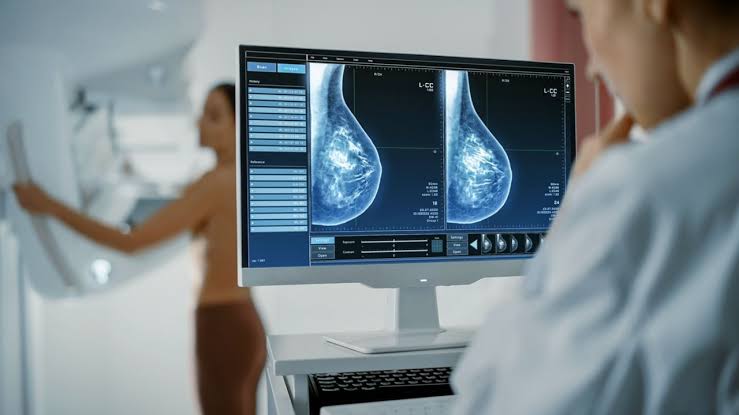
In the AI-supported group, a single radiologist reviewed mammograms with assistance from an artificial intelligence system. In the control group, scans were examined using the standard European practice, which requires two radiologists to independently assess each image.
AI Detects More Cancer Cases
The results were striking. Researchers found that nine per cent more breast cancer cases were detected in the group where AI supported the radiologist, compared to the traditional double-reading method.
Importantly, the benefits extended beyond initial detection. Over the next two years, women in the AI group experienced a 12 per cent lower rate of so-called interval cancers — cancers diagnosed between routine screenings. These cancers are often more aggressive and harder to treat.
The improvement was seen consistently across different age groups and among women with varying levels of breast density, which is a known risk factor that can make tumours harder to detect.
No Increase in False Alarms
Concerns that AI might increase false-positive results were not supported by the data. The study found that false alarm rates were similar in both the AI-assisted and standard screening groups.
This suggests that artificial intelligence can enhance detection accuracy without subjecting patients to unnecessary stress, additional tests or invasive procedures.
Relief for Overburdened Radiologists
Senior study author Kristina Lang of Lund University said the findings highlight an opportunity to modernise breast cancer screening programmes. She noted that AI could help ease growing workload pressures faced by radiologists, particularly in countries struggling with staff shortages.
However, she emphasised that widespread adoption must be done cautiously and accompanied by continuous monitoring to ensure patient safety and consistent performance.
Experts Urge Balanced Use of AI
Medical experts welcomed the results but stressed that AI should assist not replace human judgement. Radiologists point out that AI systems may sometimes flag changes in breast tissue that are not cancerous.
Experts also noted that AI tools remain expensive and require careful regulation to prevent overdiagnosis. Long-term follow-up will be essential to confirm whether the reduction in interval cancers leads to improved survival outcomes.
Technology Trained on Global Data
The AI system used in the trial, known as Transpara, was trained on more than 200,000 mammography examinations collected from 10 countries. Earlier interim results published in 2023 showed that AI nearly halved the time radiologists spent reading scans.
This combination of efficiency and improved detection has renewed interest in expanding AI-supported screening worldwide.
Global and Indian Context
Breast cancer remains one of the leading causes of cancer-related deaths among women worldwide. According to the World Health Organization, more than 2.3 million women were diagnosed with breast cancer in 2022, and around 670,000 died from the disease.
In India, early detection remains a major challenge due to limited screening access and specialist shortages. Health experts believe AI-assisted tools could support national cancer control efforts if implemented responsibly.
A Promising Step Forward
The landmark trial strengthens evidence that artificial intelligence can safely support cancer screening, potentially saving lives through earlier detection.
While experts urge caution and further study, the findings signal a future where technology and medical expertise work together to improve patient outcomes.