Scope of Disruptions
Air India announced it cancelled 11 flights on Monday and Tuesday to allow precautionary checks on aircraft that had flown through affected airspace. Akasa Air said it scrapped scheduled services to several Middle East destinations, including Jeddah, Kuwait and Abu Dhabi, for the same two-day period.
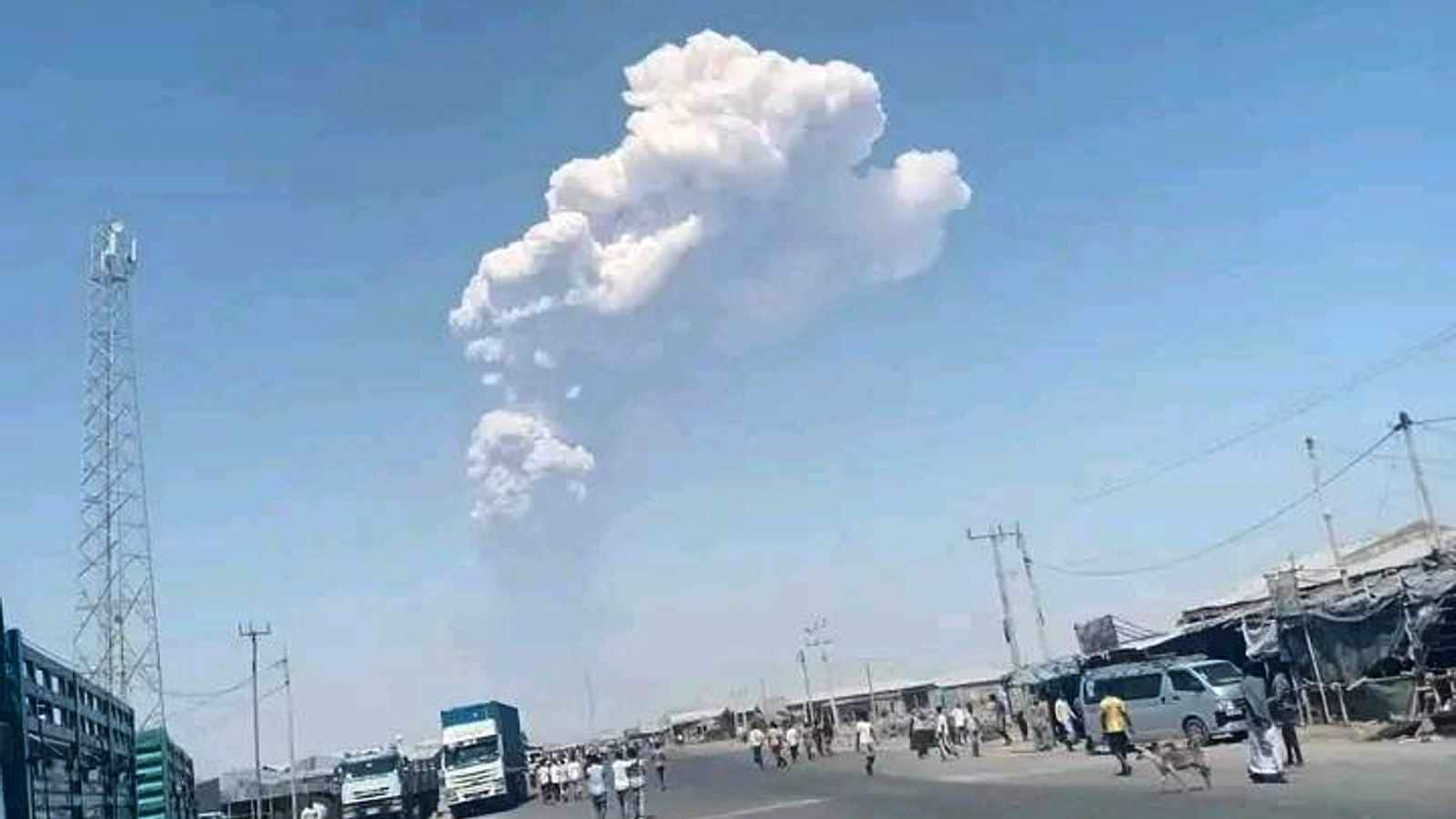
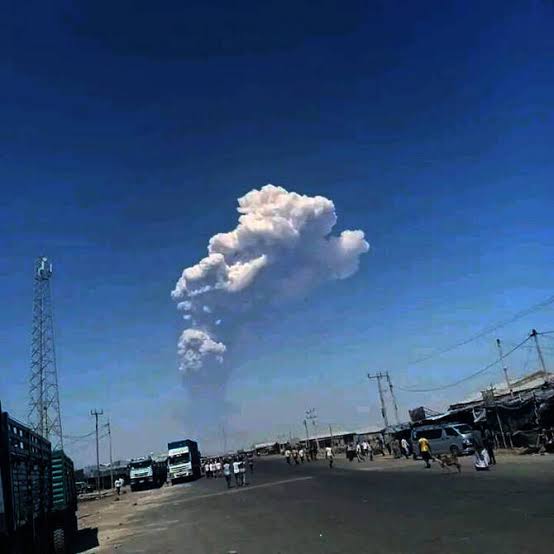
Satellite imagery and aviation trackers showed the ash plume lofted up to 14 kilometres into the atmosphere and drifting across the Red Sea before moving over Yemen, Oman and into parts of South Asia. Tracking platforms indicated ash had reached parts of Pakistan and northern India, prompting airlines to reroute or ground flights in line with safety protocols.
 Weather and Clearance Timeline
The India Meteorological Department (IMD) said the ash cloud was moving eastward towards China and forecast that Indian airspace would be clear of the plume by 14:00 GMT (7:30 pm IST) on Tuesday. The IMD and private aviation weather services continued to issue updates, advising operators to monitor plume movement closely.
“Ash clouds present hazards to aviation and can cause engine and instrument damage if ingested,” the IMD bulletin noted, underscoring the importance of avoiding contaminated flight levels until visual and satellite evidence confirm clearance.
Regulatory and Airline Response
The Directorate General of Civil Aviation (DGCA) issued advisories asking airlines to report aircraft that had flown through ash-contaminated regions and to inspect affected airframes and engines before return to service. Air India and Akasa said they were complying with the regulator’s guidance and prioritising passenger safety.
Airline spokespeople told RamRajya News that maintenance teams were conducting thorough inspections of components most vulnerable to ash such as engines, pitot-static systems and avionic cooling inlets before authorising further flights on impacted routes.
Passenger Impact and Advice
Several travellers reported schedule disruptions and delays at Mumbai and Delhi airports. Airlines urged passengers to check flight status via official channels and offered rebooking or refunds for cancelled services. Those travelling on affected days were advised to contact carrier customer service desks for the latest updates.
Experts advise passengers to avoid standing too close to ash deposits and to follow local health advisories, as fine volcanic ash can irritate eyes and respiratory systems, particularly for people with pre-existing conditions.
Wider Aviation and Environmental Concerns
Volcanic ash incidents can have cascading effects on global flight routes. During earlier eruptions, airlines rerouted aircraft to avoid ash-affected airspace, increasing flight times and fuel consumption. Meteorological agencies and aviation safety organisations maintain continuous monitoring to minimise disruption while protecting aircraft integrity.
The Hayli Gubbi eruption — the first recorded activity from this volcano in recent history — has drawn attention to aviation contingency planning across the region. Authorities in affected countries have coordinated advisories to airline operators, airports and meteorological services to limit risk.
For real-time official updates, passengers and operators can consult the India Meteorological Department and DGCA advisories. Additional information on international aviation advisories is available via recognised tracking services and the International Civil Aviation Organization (ICAO).