

The incident was formally reported by a pilot on February 2, a day after the flight landed in Bengaluru. Following standard operating procedures, the crew flagged the defect post-flight, prompting engineering teams to initiate a detailed examination of the aircraft’s fuel control system.
Air India’s Senior Vice President for Flight Operations, Manish Uppal, informed Boeing 787 pilots that the airline had escalated the issue to aircraft manufacturer Boeing for priority evaluation. While awaiting the manufacturer’s response, Air India chose to conduct precautionary inspections across its entire Dreamliner fleet.
No Adverse Findings So Far
In an internal communication to pilots, Mr. Uppal stated that engineers had begun re-inspecting the Fuel Control Switch (FCS) latch mechanism to verify normal operations. He emphasized that the move was undertaken “out of an abundance of caution” and aligned with the airline’s safety-first approach.
“No adverse findings have been reported on aircraft where re-inspection has already been completed,” the communication noted. Air India also instructed flight crew to promptly report any technical irregularities and ensure all prescribed actions are completed before accepting an aircraft for operation.
Background of Heightened Scrutiny
The functioning of fuel control switches has remained under close observation since the fatal crash of an Air India Boeing 787-8 aircraft in Ahmedabad last year, which claimed 260 lives. A preliminary investigation report into that accident had indicated that fuel supply to the engines was cut off shortly after take-off.
In the aftermath of that crash, Air India had conducted inspections of fuel control switches across its fleet in line with regulatory and manufacturer guidelines. The latest inspection drive adds another layer of assurance amid continued investigations and safety audits.
Fleet Composition and Operational Impact
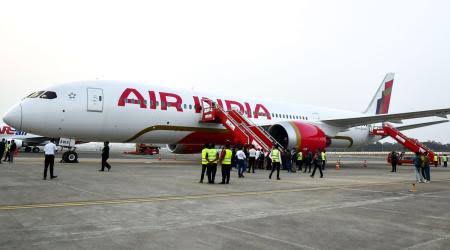
Air India currently operates 33 Boeing 787 aircraft, including 26 Boeing 787-8 and seven Boeing 787-9 Dreamliners. The fleet includes aircraft inherited from the erstwhile Vistara merger and a custom-configured Dreamliner inducted into service in January this year.
Sources said the inspections are being carried out without significant disruption to flight schedules. Aircraft are being cleared for service only after completion of the required checks and certification by engineering teams.
Safety Measures and Industry Context
The latest action comes amid increased global focus on aviation safety and aircraft system reliability. Indian aviation regulators have consistently emphasized strict adherence to maintenance protocols, and airlines are expected to report even minor anomalies for assessment.
Air India’s move aligns with best practices followed by global carriers, where precautionary inspections are often initiated even before definitive manufacturer advisories are issued.