

According to reports, nearly 100 A320 pilots at Air India Express have formally written to the management opposing the recruitment drive. They argue that the airline already has adequate cockpit crew for its current and near-term fleet strength, making external hiring both premature and counterproductive.
The pilots fear that adding more captains to the roster could dilute flying opportunities, particularly at a time when aircraft numbers are expected to reduce temporarily due to planned lease returns.
Fleet Transition Adds to Anxiety
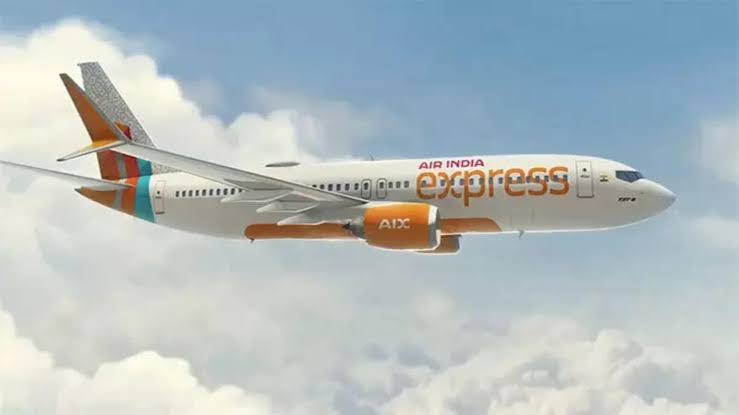
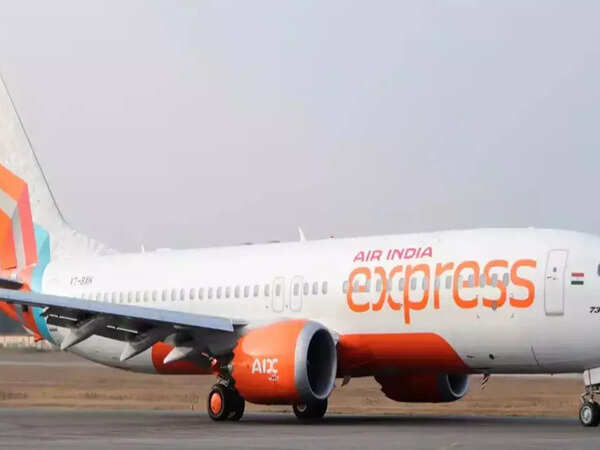
Air India Express currently operates around 110 aircraft, including 76 Boeing 737s and 34 A320-family jets that were absorbed following the merger of Air India and AirAsia India operations. However, at least 10 A320 aircraft are expected to be returned to lessors early next year.
While additional A320 inductions are planned over the longer term, pilots caution that the gap between aircraft exits and new deliveries could sharply reduce utilisation, leaving existing crew with fewer sectors to fly.
Flying Hours and Pay at Stake
A key concern for pilots relates to compensation structures introduced during the Covid-19 pandemic. Many A320 pilots are currently on fixed contracts guaranteeing pay for 40 flying hours per month, a reduction from the pre-pandemic 70-hour benchmark.
Pilots argue that expanding the cockpit crew during a phase of shrinking fleet strength could make it even harder for them to achieve the assumed flying hours, effectively reducing take-home pay.
Questions Over Recruitment Timing
In their communication to management, pilots have questioned why the airline is initiating external recruitment when they have repeatedly been told that the group has a surplus of A320 captains. This surplus has also been cited as the reason for not restoring higher fixed-hour guarantees.
They have also sought clarity on whether recent resignations are being addressed through retention initiatives rather than fresh hiring, warning that morale could suffer if concerns remain unaddressed.
Industry Context and IndiGo Factor
The hiring push comes amid turbulence in India’s aviation sector, particularly at IndiGo, which has faced flight delays and cancellations following the implementation of stricter pilot duty and rest norms by the Directorate General of Civil Aviation (DGCA).
The new rules, effective from November 1 under a Delhi High Court directive, limit night landings and enhance weekly rest requirements. While IndiGo has attributed disruptions to multiple factors, industry insiders have pointed to gaps in planning and pilot readiness.
Balancing Growth and Morale
For the Tata Group, which is in the midst of consolidating and expanding its airline businesses, the episode highlights the challenge of balancing growth ambitions with workforce confidence. Air India Express has an estimated 1,600 pilots across fleets, making crew planning a critical operational lever.
How the airline addresses the concerns of its A320 pilots could set the tone for labour relations across the group, especially as competition for experienced cockpit talent intensifies in a rapidly expanding aviation market.