

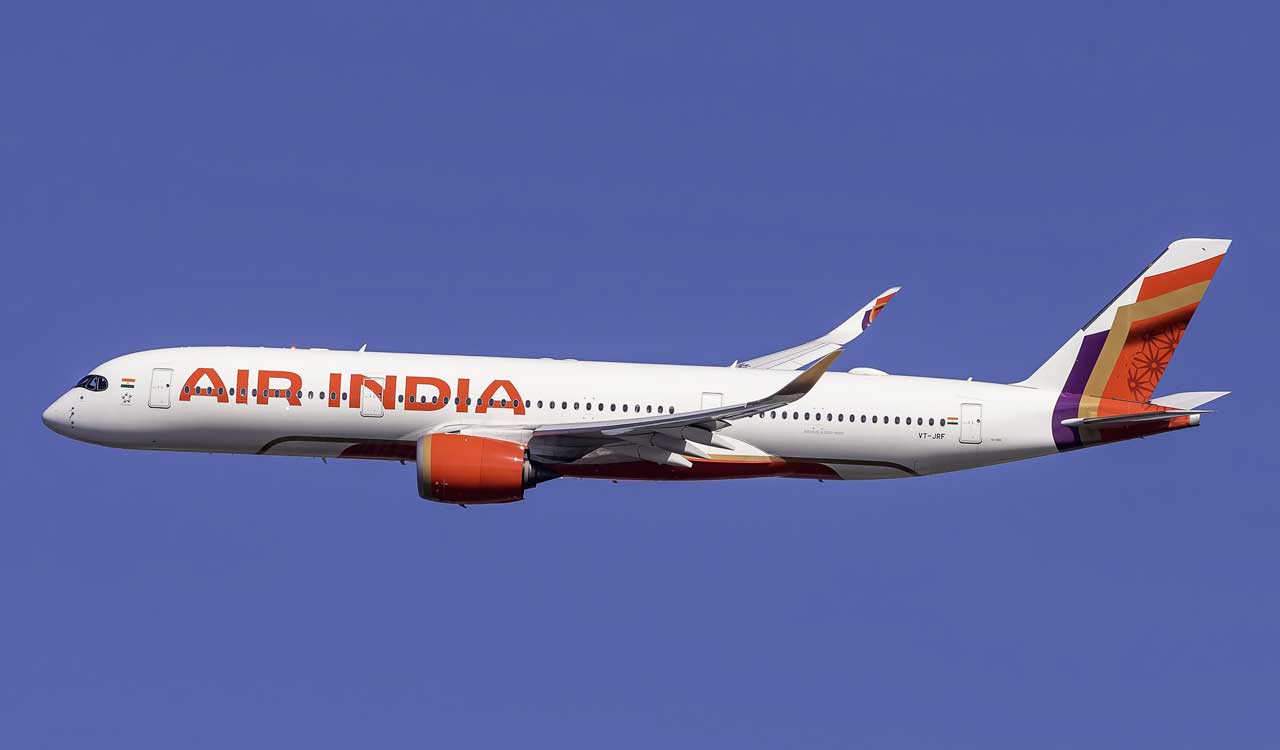

The DGCA which issues and renews Certificates of Airworthiness after verifying maintenance and compliance will examine why the aircraft was released for commercial flights without a valid certificate. Operating an aircraft without a current C of A is considered a serious safety violation under Indian aviation regulations.
An Air India spokesperson said the lapse was reported to the DGCA as soon as it was noticed and that a comprehensive internal investigation has been launched. The airline has suspended staff members involved in the decision to release the aircraft while the inquiry continues. The A320 remains grounded pending the outcome of the regulator’s probe.
Safety and insurance implications
Industry and government sources warned that flying an aircraft without a valid airworthiness certificate can invalidate insurance coverage provided by lessors or insurers, exposing the operator to significant financial and legal risk. The incident could lead to penalties and possible suspensions for responsible officials depending on DGCA findings.
Why certificate renewals matter
Certificates of Airworthiness confirm that an aircraft has completed required periodic maintenance and is fit to fly. DGCA guidance and airworthiness procedures expect operators to initiate renewal well in advance typically weeks to months before expiry and to use Continuing Airworthiness Management Organisations (CAMO) to track renewals. Failure to follow documented renewal timelines or to maintain records undermines regulatory oversight and passenger confidence.
Context: repeated operational lapses and reputational impact
This episode follows a series of operational concerns that have drawn regulatory attention to the airline since a high-fatality Dreamliner accident in June that killed 260 people. The crash triggered intense scrutiny of maintenance, record-keeping and oversight across the carrier’s operations. Air India has been under pressure to demonstrate improvements while it works with technical partners including Singapore Airlines Engineering Services on strengthening engineering controls.
What investigators will examine
The DGCA’s probe is expected to review maintenance logs, CAMO processes, digital maintenance-tracking records, engineer communications and the timeline of actions leading up to the flights on November 24–25. Investigators will also assess whether organizational or systemic failures rather than a single human error contributed to the lapse. Depending on findings, DGCA can issue penalties ranging from fines to suspension of approvals or personnel.
Industry response and passenger guidance
Aviation safety experts said the event underlines why robust, automated compliance systems and frequent internal audits are critical for airlines. Passengers are advised that regulators require airlines to report such incidents and to ground affected aircraft until rectified. Travelers booked on Air India flights should monitor airline communications and regulator notices for updates.