
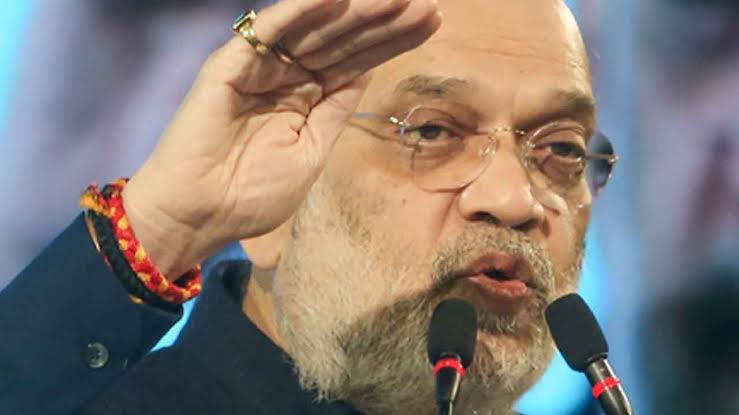
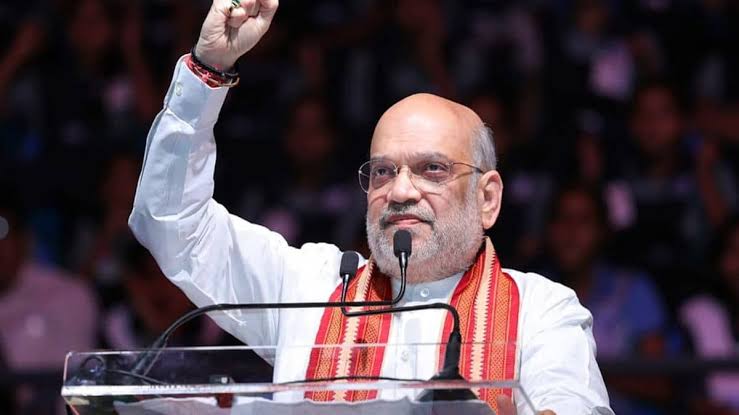

According to the Union Minister, the India–New Zealand FTA is designed to enhance bilateral trade, improve market access and foster deeper economic integration between the two nations. The agreement is expected to significantly benefit key sectors such as agriculture, food processing, education services, manufacturing, technology and clean energy.
Shri Shah noted that the agreement would particularly empower Indian micro, small and medium enterprises by enabling easier access to international markets, technology collaboration and foreign investment inflows.
Boost for Farmers, Startups and Youth
Highlighting the inclusive nature of the trade pact, the Home Minister said Indian farmers stand to gain from expanded export opportunities, improved value chains and enhanced cooperation in agri-technology and food safety standards.
He added that startups and young entrepreneurs would benefit from cross-border innovation ecosystems, academic partnerships and skill mobility frameworks, strengthening India’s position as a global hub for talent and entrepreneurship.
People-Centric Foreign Policy Under PM Modi
Shri Amit Shah described the FTA as a “textbook example” of how India’s foreign policy under Prime Minister Shri Narendra Modi is focused on delivering tangible benefits to citizens. He emphasized that trade agreements today are no longer limited to tariffs but are instruments of inclusive growth and national development.
The agreement, he said, aligns with India’s broader vision of becoming a global manufacturing and innovation hub while safeguarding domestic interests and promoting sustainable economic growth.
Strengthening India’s Global Trade Footprint
Experts believe the India–New Zealand FTA will further strengthen India’s presence in the Indo-Pacific economic framework and complement ongoing trade engagements with key global partners.
The agreement is also expected to enhance cooperation in education, research, renewable energy and climate-resilient technologies, areas where both countries share common strategic interests.