
 Key Provisions of the Bills
According to the provisions, any Prime Minister, Chief Minister, or Minister arrested and kept in custody for 30 consecutive days on charges punishable with imprisonment of five years or more will automatically be removed from office on the 31st day. The removal would be carried out by the President (for the Prime Minister and Union Ministers), the Governor (for Chief Ministers), or the Chief Minister (for State Ministers).
Importantly, the bills also provide that once released from custody, the concerned leader may be reappointed to office, provided the constitutional authority deems it appropriate.
Rationale Behind the Move
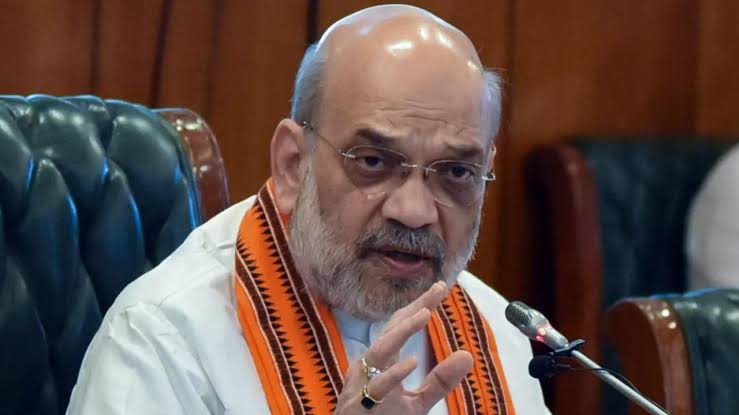
In a note circulated to Members of Parliament, Mr. Shah underlined that elected representatives carry the trust and aspirations of the people and are expected to maintain the highest standards of integrity. He argued that allowing leaders facing serious criminal allegations to continue in office could undermine constitutional morality and good governance.
“The character and conduct of Ministers holding office should be beyond suspicion. A Minister detained on serious charges may hinder governance and diminish public trust,” the statement of objects and reasons said.
Focus on Jammu & Kashmir and Union Territories
The two related bills — for Jammu and Kashmir and Union Territories — define the procedure for removal of Chief Ministers and Ministers in these regions, including Puducherry and Delhi. These changes are meant to align governance structures in Union Territories with the broader constitutional framework proposed under the amendment bill.
Broader Political Context
This legislative move comes amid long-standing debates on criminalization of politics in India. While the Supreme Court has previously pressed for electoral reforms, there has been no direct constitutional provision mandating removal of sitting ministers on criminal charges until now.
The bills are expected to trigger intense debate in Parliament, with opposition parties likely to scrutinize both the legal and political implications. Experts suggest that while the move could strengthen accountability, it also raises questions about misuse of arrest and detention provisions for political gain.