
Purpose and participation
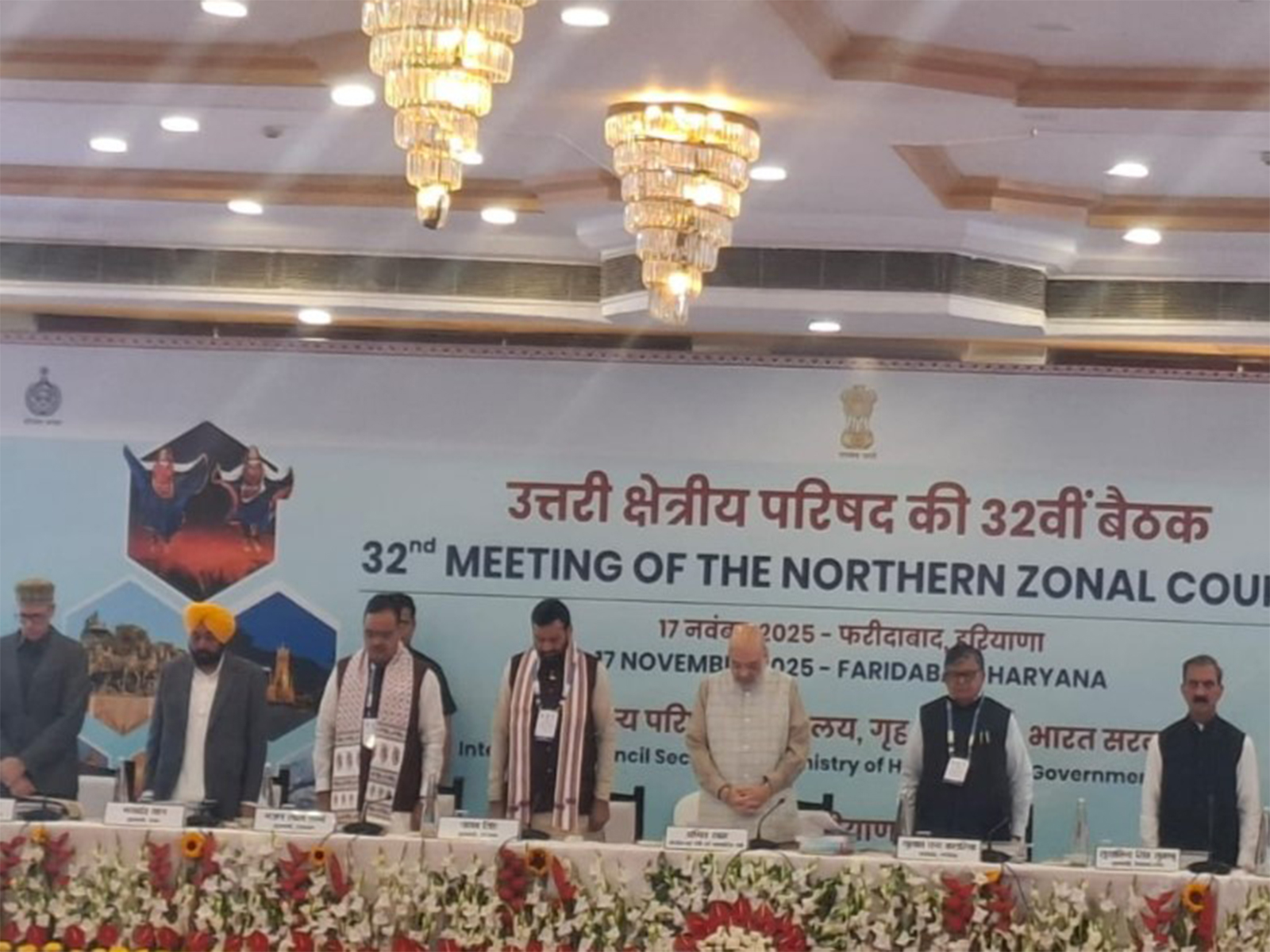
The Northern Zonal Council meeting, convened by the Inter-State Council Secretariat and hosted by the Government of Haryana, will include senior officials from the central government, state administrations and Union Territories. The council provides a formal platform to discuss matters affecting two or more member states, or the Centre and the states, and to recommend collaborative solutions.

Established under Sections 15 to 22 of the States Reorganisation Act, 1956, the five Zonal Councils are statutory bodies that promote cooperative federalism. The Union Home Minister serves as chairperson for the Northern Zonal Council, while the Chief Minister of a member state serves as vice-chairperson on a rotating yearly basis. Each member state nominates two ministers through the Governor, and Chief Secretaries form a permanent committee to filter and examine proposals before they reach the full council.
Agenda highlights and working method
Items discussed at Zonal Council meetings typically span security, infrastructure, health, education, disaster management and regional development. The councils have also prioritised practical issues such as speedy investigation and disposal of sexual offence cases, implementation of Fast Track Special Courts (FTSC), extension of brick-and-mortar banking in rural pockets, Emergency Response Support System (ERSS-112), and cooperative sector strengthening.
Issues submitted by states are first considered by the permanent committee of Chief Secretaries; those requiring broader discussion are placed before the Zonal Council for deliberation and recommendations.
Team Bharat vision and growing role
Prime Minister Shri Narendra Modi’s vision of TEAM BHARAT aims to deepen cooperative governance among the Centre and states. Zonal Councils have emerged as practical instruments of that vision by enabling regular dialogue and resolving regional disputes through consensus. Over the last eleven years, 63 meetings of Zonal Councils and their permanent committees have been held, reflecting renewed emphasis on collaborative problem solving.
Advisory influence and outcomes
While Zonal Councils are advisory in nature, they play an important role in building consensus and forging inter-governmental cooperation. The councils provide a neutral forum to raise cross-border issues, coordinate policy implementation and propose joint initiatives that benefit the region. Outcomes often include joint action plans, coordinated law enforcement efforts and shared infrastructure investments.
Why the councils matter for states
For member states and UTs, Zonal Councils offer a structured channel to resolve disputes without litigation or prolonged bureaucratic delay. They help align state priorities with national programmes, accelerate regional projects and create mechanisms for cooperative delivery of public services such as health, education and disaster response.
Looking ahead
The 32nd Northern Zonal Council meeting is expected to reinforce collaborative frameworks across the northern region and recommend actionable steps on shared challenges. With active participation from state ministers, secretaries and central ministries, the council aims to convert deliberations into tangible outcomes that advance regional development and governance.