
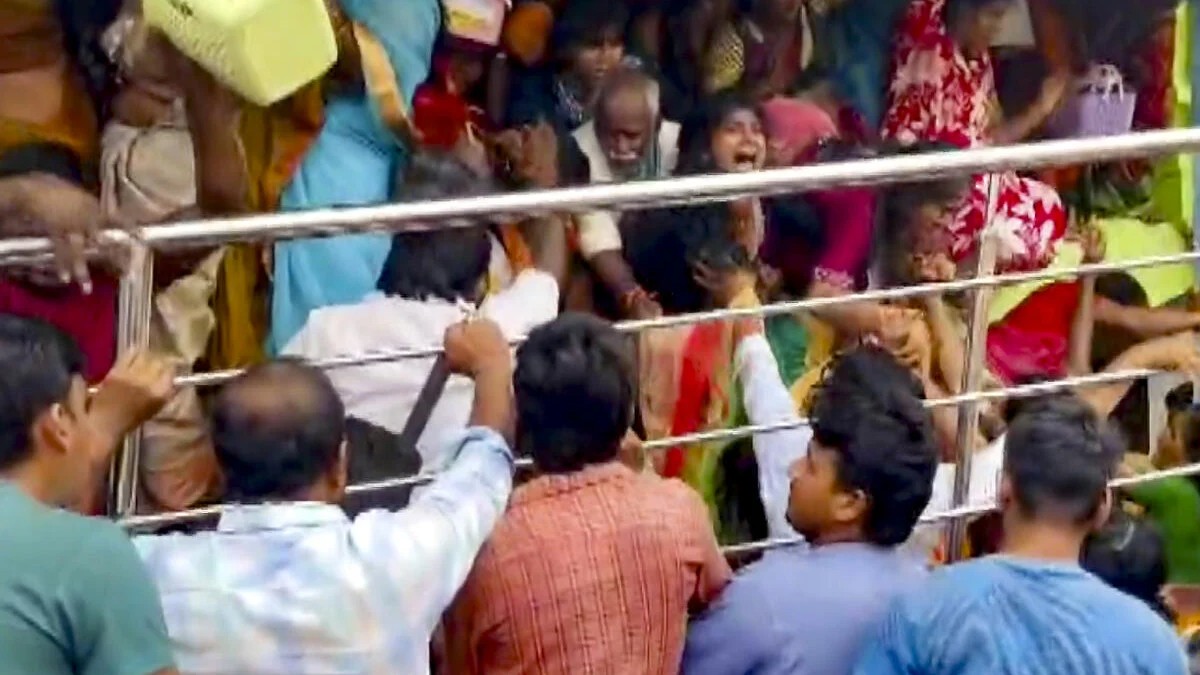
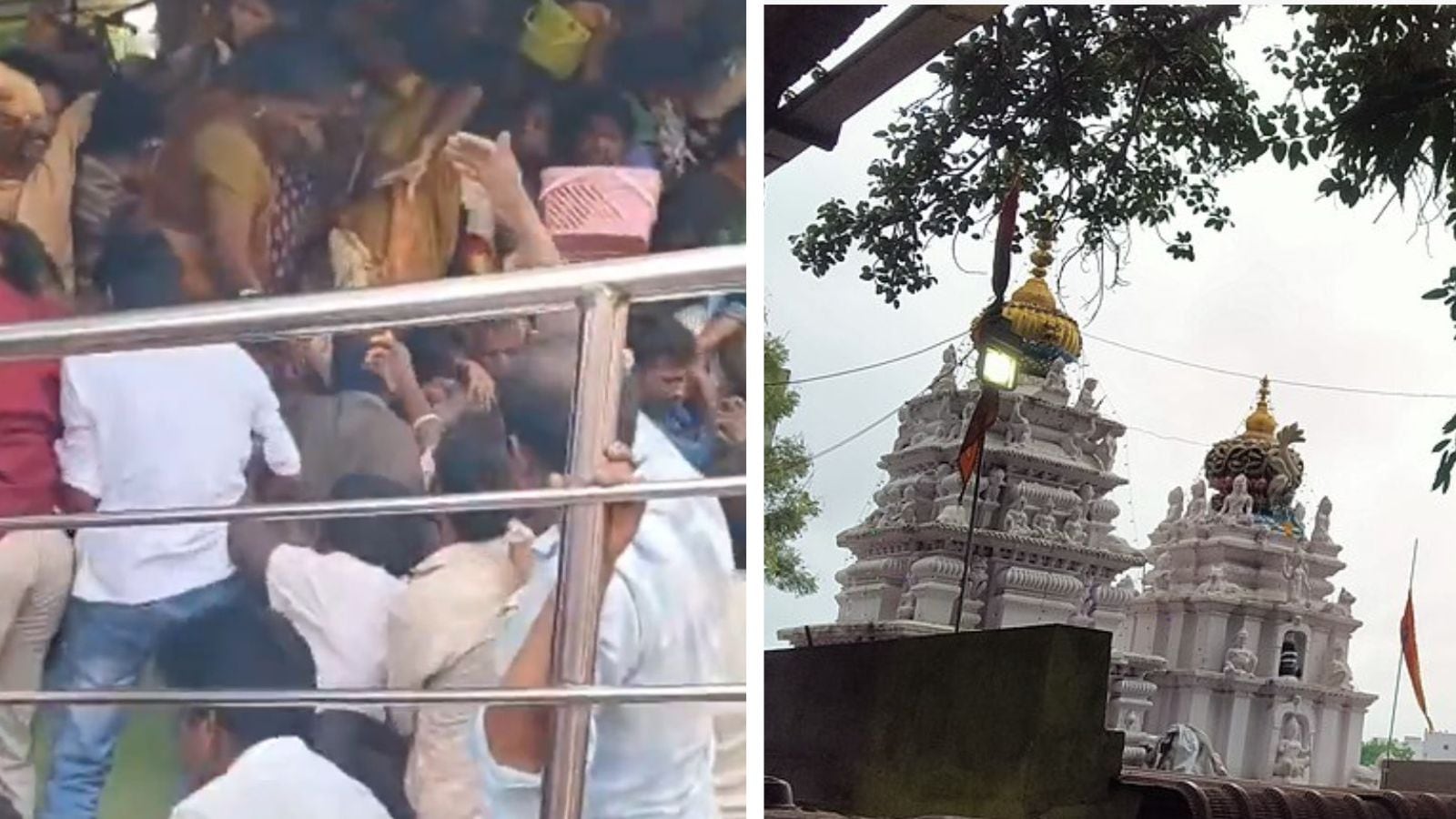

Several critical lapses contributed to the disaster:
- The temple is privately built and not registered under the state’s Endowments Department, meaning official oversight was limited.
- Though it reportedly had a formal capacity of just 2,000-3,000 persons, officials estimate around 15,000–25,000 devotees had gathered for the rush.
- A single route was being used for both entry and exit, exacerbating crowd pressure and reducing flow safety.
- A railing or barrier collapsed under the massive load of devotees, triggering panic and a human crush.
- Organisers failed to notify authorities or obtain prior permission before the event, thereby lacking coordinated crowd-control or emergency plans.
Government Response & Relief
Prime Minister Narendra Modi announced an ex-gratia of ₹2 lakh for the next of kin of each person who died, and ₹50,000 for the injured, from the Prime Minister’s National Relief Fund (PMNRF).
Andhra Pradesh Chief Minister N. Chandrababu Naidu described the incident as “extremely heartbreaking” and instructed officials to ensure rapid and proper medical care for the injured.
A formal inquiry has been ordered to investigate accountability and recommend safety reforms for places of worship across the state.
Looking Ahead: Lessons & Safety Imperatives
The stampede raises grave concerns about management of large religious gatherings, especially at newly built temples without dedicated infrastructure. Key take-aways include:
- Dedicated, tree-mapped entries and exits must be established to avoid mixing flows of people in and out.
- Temples or event organisers must coordinate with district authorities when large crowds are expected—notification allows for police, medical and structural support.
- Physical infrastructure railings, stairs, monitoring devices must be built to certified safety standards and load-tested if large numbers are expected.
- Advance crowd estimates and simulation modelling should guide capacity planning. That capacity and actual attendance mismatch in this case clearly signal a disaster in waiting.