

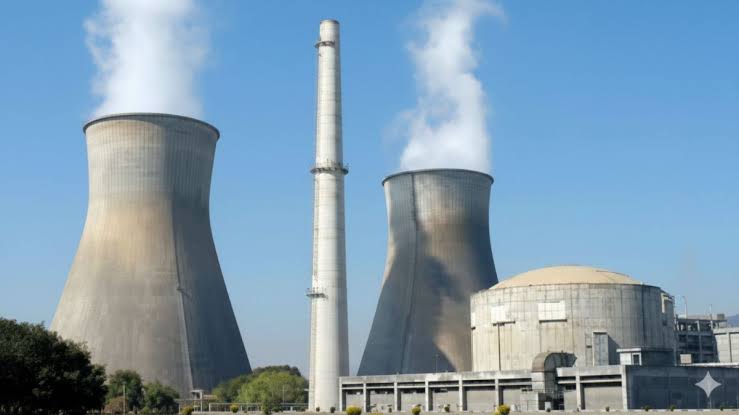

According to a joint press release by NTPC and CCTE, the two entities are examining the feasibility of developing and deploying ANEEL fuel in India’s PHWR reactors.
The proposal remains subject to necessary approvals from the respective governments and compliance with prevailing national regulations.
If implemented, ANEEL would represent a step toward greater utilisation of thorium resources within India’s nuclear power framework.
Natural Uranium Fuel to Continue
The government clarified that natural uranium oxide-based fuel will continue to be used in the existing fleet of PHWRs.
This approach ensures optimised and efficient use of India’s limited uranium reserves under the country’s well-established three-stage nuclear power programme.
The continued deployment of uranium-based fuel supports stable and sustained energy generation while long-term thorium strategies are developed.
India’s Three-Stage Nuclear Programme
India’s nuclear energy roadmap is structured around a three-stage programme designed to maximise resource efficiency and ensure long-term energy security.
The first stage uses natural uranium in PHWRs. The second stage involves Fast Breeder Reactors that utilise plutonium derived from reprocessed spent fuel.
The third stage envisions large-scale deployment of thorium-based reactors in a self-sustaining cycle, leveraging India’s vast thorium reserves.
The exploration of ANEEL aligns with this long-term vision of transitioning toward thorium-supported energy generation.
Closed Fuel Cycle and Waste Management
India follows a closed fuel cycle policy in nuclear energy production. Spent nuclear fuel is reprocessed to recover valuable fissile materials.
These recovered materials are then used in the second stage of the nuclear programme, reducing waste and enhancing fuel efficiency.
This approach ensures better resource utilisation and strengthens sustainability in the nuclear sector.
Regulatory Oversight Under SHANTI Act
All collaborations and technological developments in nuclear energy will remain consistent with the provisions of the SHANTI Act.
The Atomic Energy Regulatory Board (AERB) operates under a robust regulatory framework and has been accorded statutory status following the enactment of the SHANTI Act.
The legislation strengthens oversight mechanisms and ensures adherence to safety standards in nuclear facilities.
Private Sector Participation
The government also indicated that private sector participation is being enabled in accordance with the SHANTI Act provisions.
Steps are being undertaken to facilitate advanced technology partnerships while maintaining regulatory compliance and national security safeguards.
Such collaborations are expected to enhance technological innovation and capacity building in the nuclear power sector.
The government’s response underscores India’s continued focus on long-term energy security through strategic deployment of uranium and thorium resources within a regulated framework.