
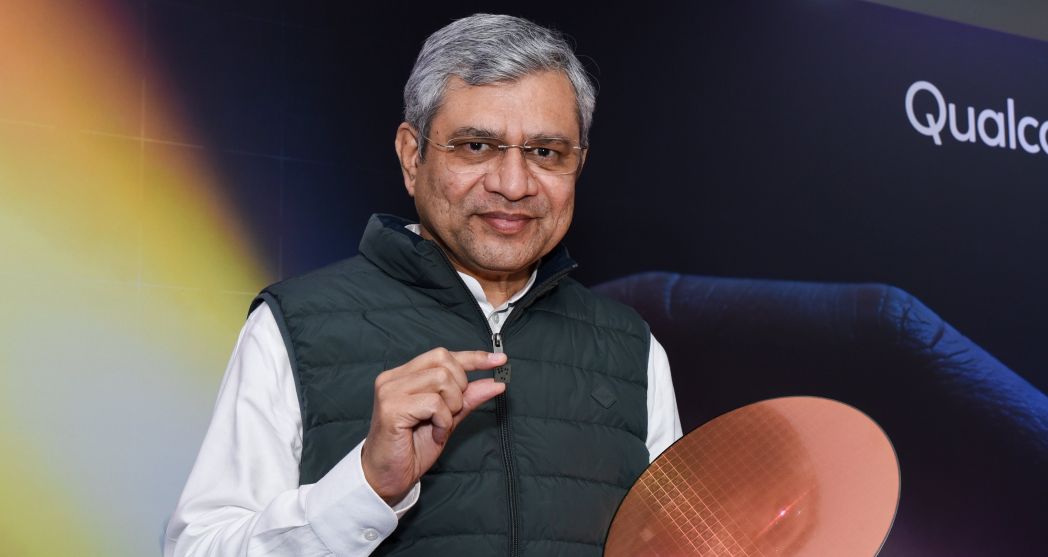
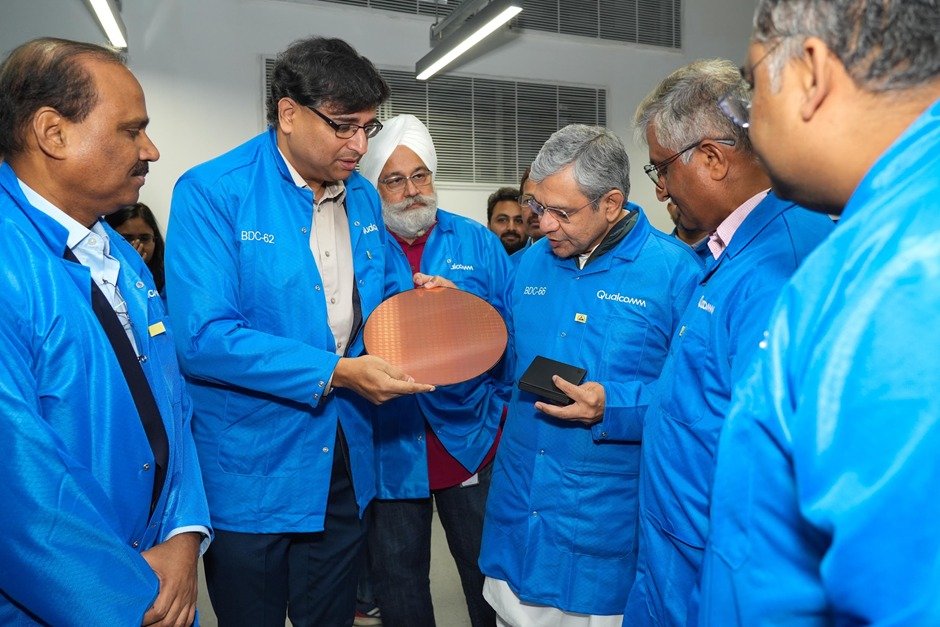

Shri Vaishnaw said the global technology community is increasingly looking towards India with optimism, citing the country’s vast and skilled talent pool. He stressed that the next major breakthroughs in semiconductor technology are likely to originate from Indian engineers and researchers working in collaboration with global companies.
The minister highlighted India’s long-standing philosophy of co-creation and co-development, noting that this approach is now bearing fruit in strategic sectors such as semiconductors. He credited the decisive leadership of Prime Minister Narendra Modi for giving shape to India’s ambitious Semiconductor Mission.
From Missed Opportunities to Strategic Focus
Recalling history, Shri Vaishnaw pointed out that India missed early opportunities in the semiconductor sector during the 1960s, when global pioneers explored setting up manufacturing units in the country. At the time, the strategic importance of semiconductor technology was not fully understood.
That outlook has changed dramatically in recent years. The government adopted a calibrated approach, beginning with 28-nanometre manufacturing capabilities that address nearly three-fourths of current market needs, including automotive electronics, telecommunications, power management and strategic applications.
Rapid Progress Under the Semiconductor Mission
According to the minister, India has made significant progress in a short span of time. Nearly ten semiconductor-related units are currently under construction across the country, with four facilities having commenced pilot production. These units are in the process of qualifying and validating products with customers, paving the way for commercial-scale manufacturing.
This progress reflects the government’s emphasis on building a complete and resilient semiconductor ecosystem rather than isolated facilities.
Building a Strong Talent Pipeline
A key pillar of India’s semiconductor strategy is talent development. Since 2022, more than 315 universities across the country have been equipped with advanced Electronic Design Automation tools from global leaders such as Synopsys, Cadence and Siemens.
Students from even remote institutions are now designing chips, taking them through tape-out and validation stages, and witnessing real-world functionality. This expanding talent pipeline is expected to provide India with a lasting competitive advantage in semiconductor design and innovation.
India Semiconductor Mission 2.0
Looking ahead, Shri Vaishnaw announced that India Semiconductor Mission 2.0 will adopt a sharper and more innovation-driven outlook. While the first phase focused on assembly, testing, marking and packaging facilities, the next phase will prioritise design-led startups and companies capable of taking products from concept to market.
The second focus area will be the localisation of the entire ecosystem, including equipment manufacturing, chemicals, gases, validation and testing. The third pillar will centre on deepening capabilities within the talent base through closer partnerships with universities and research institutions.
Preparing for the Fifth Industrial Revolution
Emphasising the importance of future readiness, the minister said India must ensure its workforce is equipped with relevant and advanced skills. He called for stronger industry-academia collaboration to design modern curricula and for continuous upskilling and reskilling of professionals.
“If we create the right environment, India can provide far greater value to the world,” he said, adding that the country’s traditional strengths in engineering and innovation will continue to expand in the years ahead.