
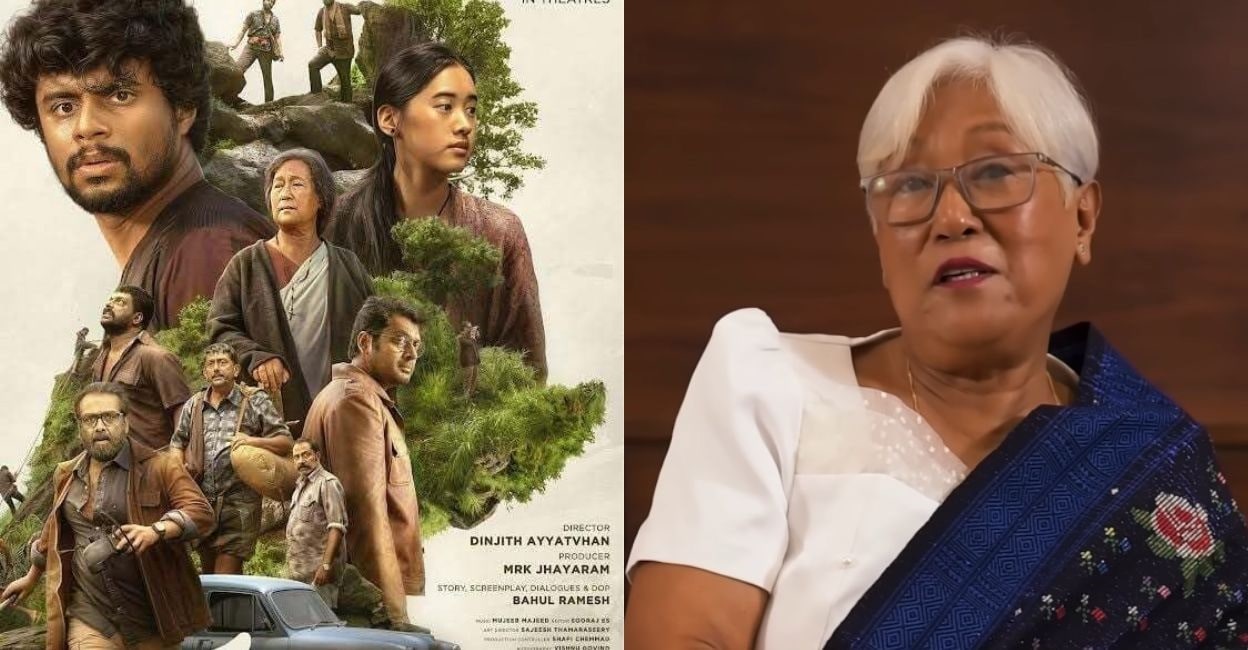

Momin spent most of her life in Tura, Meghalaya, teaching English literature at a government college. Cinema was distant from her world. Her hometown had neither theatres nor performance spaces, and acting was never a career she imagined pursuing. That changed when filmmakers scouting for an unconventional face discovered her through a short film based on Garo folklore.
The offer required her to travel more than 3,000 kilometres to Kerala and perform in a language she did not understand. Initially hesitant, Momin agreed after encouragement from her family, particularly her daughter, who urged her to embrace the unfamiliar.
Inside the World of Eko
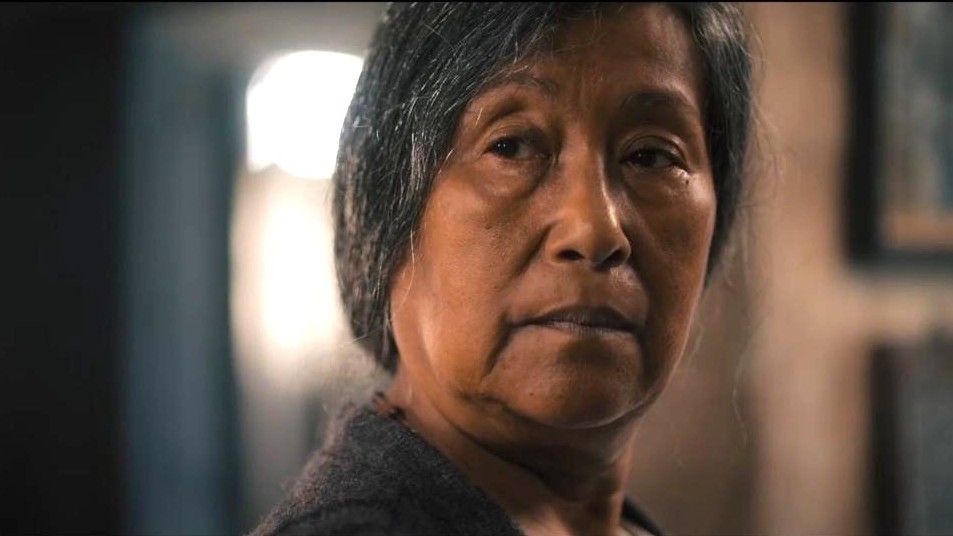
Directed by Dinjith Ayyathan, Eko is set in the mist-laden Western Ghats and follows the life of Mlathi Chettathi, an elderly woman living in isolation with only feral dogs for company. Her past is layered with displacement, survival, and unresolved mysteries dating back to World War II.
The film resists genre labels, blending psychological tension with ecological and moral themes. Momin’s character anchors the narrative, bringing restraint, dignity, and emotional depth to a role that could easily have slipped into stereotype.
Fearlessness on a First Film Set
Filmed over 45 days under challenging weather conditions, Eko demanded physical endurance and emotional precision. Momin learnt her Malayalam dialogues phonetically with the help of a language coach and delivered them on set, even though her voice was later dubbed.
Crew members recall her discipline, attentiveness to camera movement, and instinctive understanding of emotional beats. According to the film’s writer and cinematographer Bahul Ramesh, her life experience lent authenticity to the character’s quiet strength.
Representation Beyond the Screen
As a member of the Garo tribe, Momin’s casting carries symbolic weight. Indigenous communities from India’s northeast remain largely invisible in national cinema. Her performance challenges assumptions about age, ethnicity, and who gets to occupy central roles in Indian storytelling.
Momin herself credits her matrilineal cultural background and lived feminism for shaping her portrayal. The result is a character defined not by mysticism but by agency and resilience.
Recognition and What Lies Ahead
Acclaim followed swiftly. National award-winning actor Dhanush described her performance as “world-class,” while filmmakers from across India have reportedly approached her with new projects. Momin remains cautious, acknowledging the physical demands of acting while remaining open to future opportunities.
For now, she has returned home to Meghalaya, resuming a life filled with family, reading groups, and quiet reflection. Yet her cinematic debut stands as a powerful reminder that talent is not bound by age or geography.