
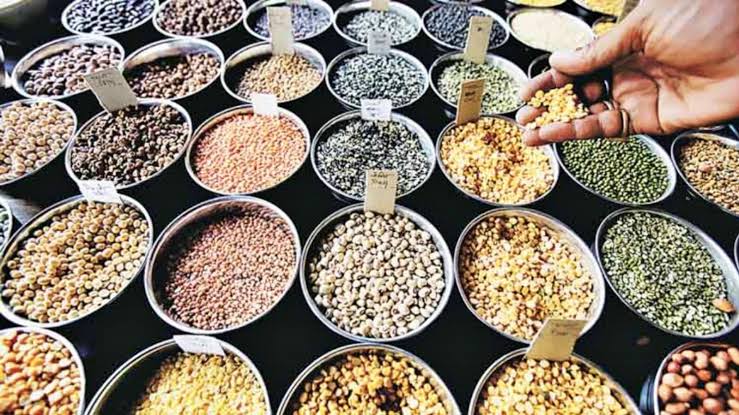
India’s Push for Edible Oil Self-Sufficiency
The Government of India has taken a bold step to reduce dependence on edible oil imports. Under the National Mission on Edible Oils – Oilseeds (NMEO-OS), India is working toward becoming Atmanirbhar in oilseeds.
This mission aims to boost domestic oilseed production, improve processing efficiency, and strengthen farmer incomes. It targets both primary crops and secondary sources like rice bran, cottonseed, coconut, and tree-borne oilseeds (TBOs).


The mission focuses on enhancing the yield and quality of nine key oilseed crops: Rapeseed & Mustard, Groundnut, Soybean, Sunflower, Sesame, Safflower, Niger, Linseed, and Castor.
Efforts also aim at improving oil recovery from secondary sources, thus optimizing every stage of the oilseed value chain.
ICAR Leading the Research Front
The Indian Council of Agricultural Research (ICAR) is playing a central role. Through five All India Coordinated Research Projects (AICRPs), ICAR is developing high-yielding, location-specific varieties.
Two additional flagship projects focus on hybrid development and gene editing to create climate-resilient varieties. These technologies are critical in coping with erratic weather and ensuring sustainable yield.
432 Varieties Released in 11 Years
Between 2014 and 2025, India notified 432 high-yielding varieties for commercial cultivation. These include:
- 104 Rapeseed-Mustard
- 95 Soybean
- 69 Groundnut
- 53 Linseed
- 34 Sesame
- 25 Safflower
- 24 Sunflower
- 15 Castor
- 13 Niger
These numbers reflect a strong research ecosystem designed to meet the growing edible oil demand in India.
Boosting Seed Supply for Farmers
To ensure these varieties reach farmers, over 1.53 lakh quintals of breeder seed have been produced and distributed from 2019 to 2024.
These seeds are converted into certified seeds by public and private agencies and delivered to farmers via district-level seed hubs.
Value Chain Clusters Empowering Farmers
Under NMEO-OS, more than 600 Value Chain Clusters are operational. They cover over 10 lakh hectares annually.
Each cluster is managed by Farmer Producer Organizations (FPOs), cooperatives, and other partners. Farmers receive:
- Free high-quality seeds
- Training in Good Agricultural Practices (GAPs)
- Weather and pest advisory services
This holistic support is transforming oilseed cultivation at the grassroots level.
Support Beyond the Field
The mission goes beyond production. It helps set up post-harvest infrastructure for oil extraction and processing.
This reduces wastage, improves oil recovery rates, and increases farmer profits.
Demonstrations and Awareness Programs
To increase adoption of new technologies, the government is conducting:
- Frontline demonstrations by ICAR
- Cluster demonstrations by Krishi Vigyan Kendras (KVKs)
- Block demonstrations by state agriculture departments
An IEC campaign is also underway to spread awareness about healthy edible oil consumption and dietary guidelines.
State-Wise Crop Coverage under PMFBY
The Pradhan Mantri Fasal Bima Yojana (PMFBY) offers insurance coverage for oilseed crops. As of 2024-25, states like Madhya Pradesh, Rajasthan, Maharashtra, and Tamil Nadu have multiple oilseeds covered under both Kharif and Rabi seasons.
This insurance coverage adds another layer of risk protection for farmers, ensuring financial security in case of crop loss.
Key Milestones of Atmanirbhar Oil Seeds Abhiyan
- 432 new high-yielding oilseed varieties released
- 1.53 lakh quintals of breeder seed distributed (2019–2024)
- 600+ Value Chain Clusters active nationwide
- Over 10 lakh hectares under focused cultivation
- Farmers receive free seeds and real-time advisory
India’s Edible Oil Future Looks Bright
India currently imports over 60% of its edible oil. But with NMEO-OS, this is changing rapidly.
Empowered by research, quality seeds, and farmer-centric policies, India is moving closer to its goal of edible oil self-sufficiency.
This mission reflects the spirit of Atmanirbhar Bharat — making India stronger from farm to fork.
Conclusion
The Atmanirbhar Oil Seeds Abhiyan is more than just a farming program. It’s a national movement.
With continued support and innovation, India can reduce imports, uplift farmers, and create a healthier, more self-reliant future in edible oils.