
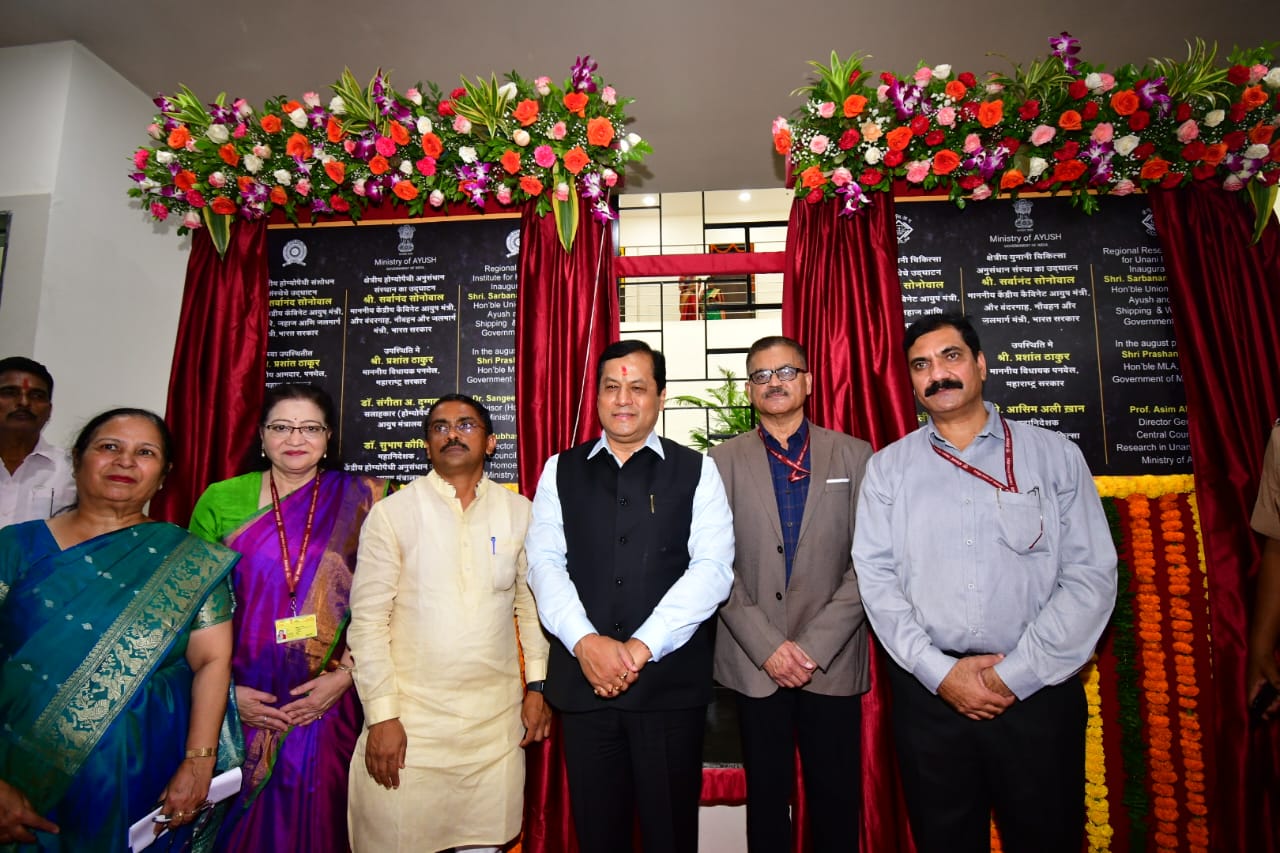
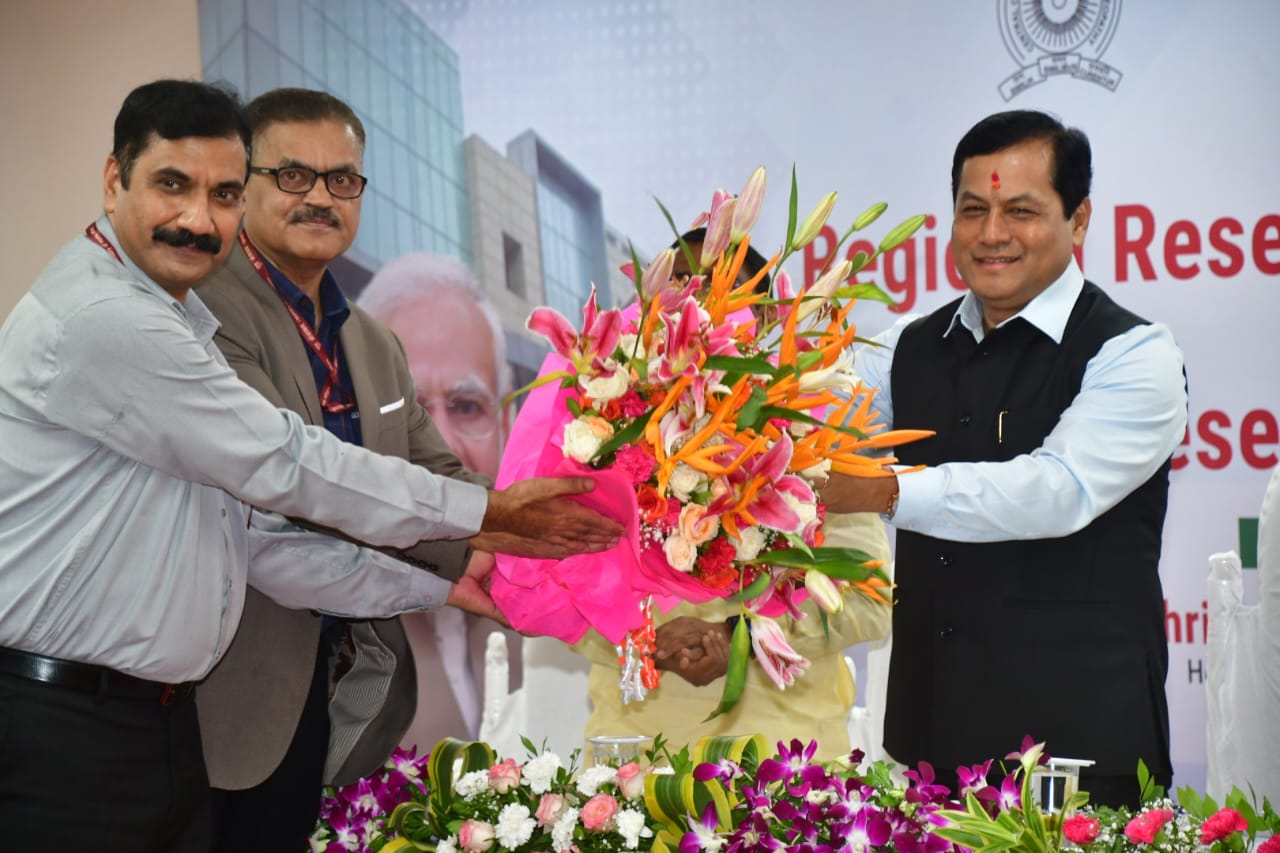

The revamped RRIUM Co-location Centre has undergone extensive modernization at a cost of approximately ₹3.84 crore. Established in 1984, the institute has been a key facility for clinical research, education, and patient care in Unani medicine. With its upgraded infrastructure, the centre is expected to significantly enhance research capabilities and healthcare delivery.
The co-location model, situated within the prominent JJ Hospital campus, promotes collaboration between traditional and modern systems of medicine. This approach enables integrative treatment methods and allows researchers to develop scientifically validated Unani therapies. The modernization reflects the government’s focus on strengthening traditional medical systems through modern infrastructure and scientific validation.
Officials believe that the improved facility will support advanced clinical studies, improve patient services, and provide enhanced training opportunities for medical professionals and researchers. The integration of research and clinical practice is expected to accelerate innovation in Unani medicine.
National Conference to Promote Innovation and Collaboration
The inauguration will be followed by the National Conference on “Innovation and Evidence in Unani Practice,” organized by the Central Council for Research in Unani Medicine (CCRUM) under the Ministry of Ayush. The conference will bring together researchers, practitioners, policymakers, and industry representatives to discuss the future of Unani medicine.
The event will include keynote lectures, panel discussions, scientific sessions, and exhibitions showcasing contributions from pharmaceutical companies, academic institutions, and research organizations. Experts will deliberate on research validation, innovation, and the integration of traditional medicine into modern healthcare systems.
Several initiatives will also be unveiled during the conference, including the launch of CCRUM’s collaborative web portal and mobile applications, release of new research publications, signing of institutional agreements, and awards recognizing excellence in Unani research and practice.
Presence of Senior Leaders and Medical Experts
The inaugural ceremony will be attended by several prominent dignitaries from the healthcare and government sectors. These include Shri Babasaheb Patil, Maharashtra’s Minister of Co-operation, and Shri Prakash Abitkar, Minister of Public Health and Family Welfare. Senior officials from the Ministry of Ayush and leading medical institutions will also participate.
Among those expected to attend are Vaidya Rajesh Kotecha, Secretary of the Ministry of Ayush; Dr. Maneesha Upendra Kothekar, Chairperson of the National Commission for Indian System of Medicine; and Dr. N. Zaheer Ahmed, Director General of CCRUM. Their presence highlights the importance of strengthening research and expanding the role of traditional medicine in public healthcare.
Experts from academic institutions, including the National Institute of Unani Medicine, will contribute to discussions aimed at advancing research standards and improving healthcare outcomes.
Significance of Unani Day in India
Unani Day is observed annually on February 11 to commemorate the birth anniversary of Hakim Ajmal Khan, one of the pioneers of Unani medicine in India and a prominent educationist and freedom fighter. The observance highlights the country’s commitment to preserving and promoting traditional medical systems.
The celebration serves as a platform to recognize contributions of Unani practitioners and researchers while encouraging innovation and modernization. It also aims to increase public awareness about the benefits of traditional medicine.
The Ministry of Ayush has been actively promoting traditional healthcare systems, including Unani, Ayurveda, Siddha, and Yoga, as part of India’s integrative healthcare model. These efforts align with the government’s vision of strengthening indigenous medical systems and expanding their global presence.
Government Push for Integrative Healthcare
The renovation of the Mumbai research centre reflects a broader national effort to strengthen traditional medicine through scientific research and infrastructure development. The Ministry of Ayush continues to invest in research institutions, education, and digital platforms to improve healthcare accessibility and quality.
Officials believe that strengthening research infrastructure will help establish scientific credibility, improve treatment outcomes, and expand the reach of traditional medicine systems.
The inauguration of the renovated Unani Research Centre and the national conference represent a significant milestone in India’s efforts to promote evidence-based traditional medicine. With improved infrastructure, research collaboration, and policy support, the Unani system is expected to play a greater role in India’s evolving healthcare landscape.