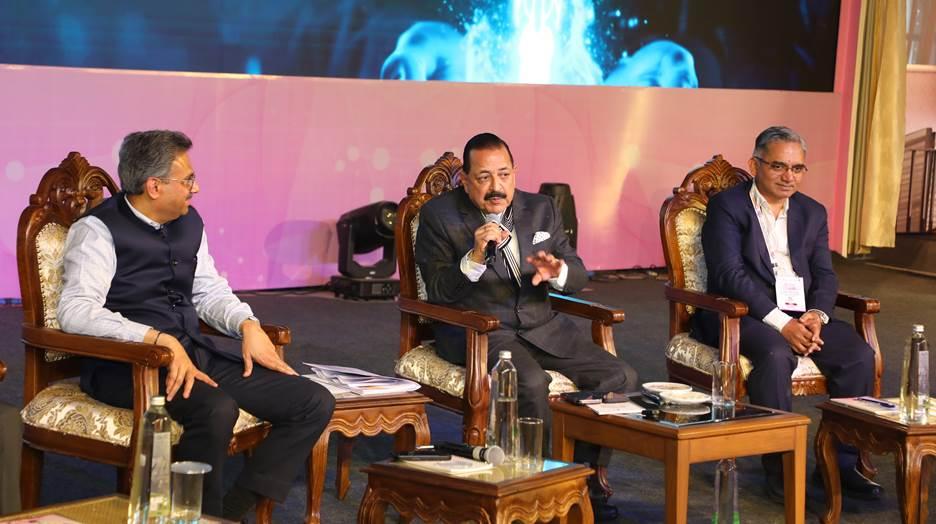
“The growing challenge of stroke demands comprehensive, integrative health strategies,” said Shri Jadhav. “Ayush systems with their preventive focus, rehabilitative strength, and emphasis on lifestyle balance can transform India’s stroke management landscape. Our commitment lies in advancing research, evidence-based care, and public awareness to reduce stroke incidence.”
 Ayush Systems Offer Complementary Care for Stroke Recovery
According to the Ministry, Ayush systems such as Ayurveda, Yoga, Unani, Siddha, and Homoeopathy collectively promote harmony between the body, mind, and environment. These systems aim not only to manage diseases but also to enhance resilience, reduce recurrence, and improve quality of life.
Vaidya Rajesh Kotecha, Secretary, Ministry of Ayush, noted that Ayush therapies offer a holistic framework for understanding and managing neurological disorders like stroke. “We continue to strengthen research collaborations across institutions to scientifically validate Ayush interventions and integrate them effectively into modern stroke rehabilitation,” he stated.
Understanding Stroke and the Ayush Perspective
Stroke, often called a “brain attack,” occurs when the brain’s blood supply is interrupted due to a blockage or a ruptured blood vessel. It is a leading cause of death and disability worldwide, making early prevention and rehabilitation critical.
In Ayurveda, stroke is attributed to an imbalance of Vata dosha, which leads to weakness or paralysis, commonly on one side of the body. Ayurvedic management emphasizes detoxification, dietary corrections, and restorative therapies that improve circulation and nerve function. Panchakarma, Abhyanga (therapeutic massage), and herbal formulations are often used as part of recovery.
Homoeopathy, too, has shown potential as an adjuvant therapy in improving neurological outcomes and motor recovery post-stroke, according to research findings cited by the Ministry.
Collaborative Research and Public Awareness Initiatives
The Ministry of Ayush continues to strengthen collaborative research through its network of national institutes and universities. These partnerships aim to scientifically evaluate Ayush interventions and integrate them with conventional care models for stroke management.
Public awareness campaigns are also being intensified to promote lifestyle practices such as Yoga, balanced diet, and stress management key preventive pillars against stroke and other non-communicable diseases.
The Ministry reiterated its vision to create a future-ready, integrative healthcare model that blends the strengths of traditional and modern systems for long-term neurological well-being.