
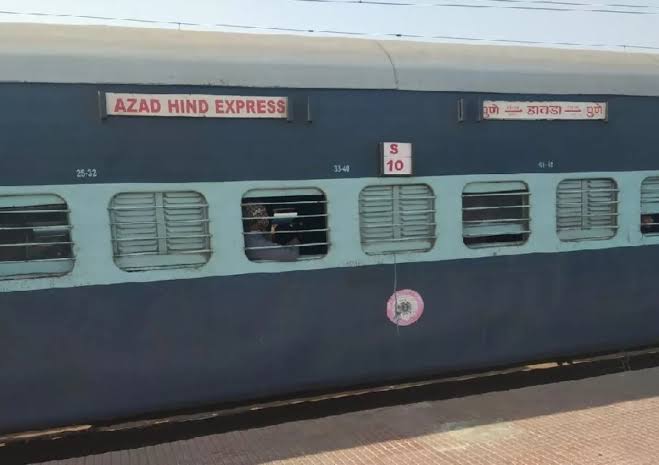
What the data shows
Records shared by officials highlight a worrying trend. In April, the train reached late on 11 days and was on time five times. May proved worse with 29 days of delays and just two on time. June saw 16 late arrivals. In July, it was late almost every day, barring one instance. Over the past year, the train reportedly managed punctuality on only 17 days out of 365.
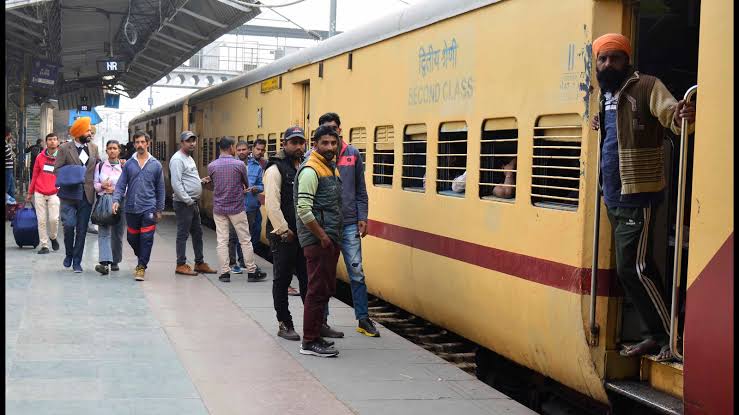

Officials cite two core reasons. First, the route faces regular congestion, which lowers the train’s movement priority behind premium services. Second, rake sharing adds a structural constraint. One rake is reportedly shared with a Shatabdi Express. When the incoming rake arrives late or is still in use, the Azad Hind Express cannot depart on time. These factors together trigger knock‑on delays down the line.
Real people, real costs
Frequent travellers say the impact is more than inconvenience. Delays stretch five to seven hours on many days. That means missed onward trains and last‑minute hotel stays. Families with children suffer the most. Elderly passengers struggle with long platform waits and uncertain ETAs. For working professionals, late arrivals translate into lost meetings and extra travel costs.
How delays ripple across the network
When a superfast service arrives late at a busy junction, pathing for multiple trains gets affected. Platform availability shrinks. Crew rosters get squeezed. Catering and cleaning turnarounds shorten. Each of these adds small frictions. Together, they create a cycle where one late train can nudge several others off their schedule through the day.
What Indian Railways can consider
- Dedicated rake plan: Reduce dependence on rake sharing for this long‑haul service, especially on high‑traffic days.
- Revised pathing: Re‑evaluate time slots through known bottlenecks so the train doesn’t hit peak congestion windows.
- Buffer calibration: Add realistic recovery margins between critical sections while keeping end‑to‑end time competitive.
- Operational alerts: Issue early passenger advisories when the incoming rake runs late to enable re‑planning.
- Station readiness: Ensure platforms and crews for quick turnarounds when the train finally arrives.
What passengers can do right now
Check live running updates before leaving for the station. The National Train Enquiry System (NTES) provides real‑time status, schedules, and exception info. You can access it via the official web portal or mobile apps. If a delay threatens your onward connection, consider rebooking early, especially during peak seasons.
Calls for transparency and accountability
Regular public dashboards on punctuality, rake availability, and maintenance cycles can build trust. Clear, time‑stamped alerts on station displays and apps help passengers make faster decisions. A stronger feedback loop via RailMadad can also surface recurring bottlenecks and route‑specific issues.
The road ahead
Azad Hind Express is a vital daily link between Pune and Kolkata. The service has history and high demand. But the last quarter’s record shows that chronic delays need structural fixes, not stopgaps. With better pathing, dependable rakes, and timely passenger communication, punctuality can recover. The gains will be immediate: fewer missed connections, lower costs for travellers, and more confidence in the system.