 Why Balochistan Matters Globally
Balochistan, Pakistan’s largest but least developed province, sits at the crossroads of regional geopolitics. Rich in natural gas, copper, gold, and rare earth minerals, the province has long attracted foreign interest despite persistent instability. Its coastline along the Arabian Sea further enhances its strategic importance.
China’s deep involvement through the China-Pakistan Economic Corridor (CPEC) has transformed Balochistan into a critical node of Beijing’s Belt and Road Initiative. Projects ranging from highways to energy infrastructure, and most notably the Gwadar Port, are central to China’s ambition of securing alternative trade routes that bypass the Strait of Malacca.
China’s Growing Vulnerability
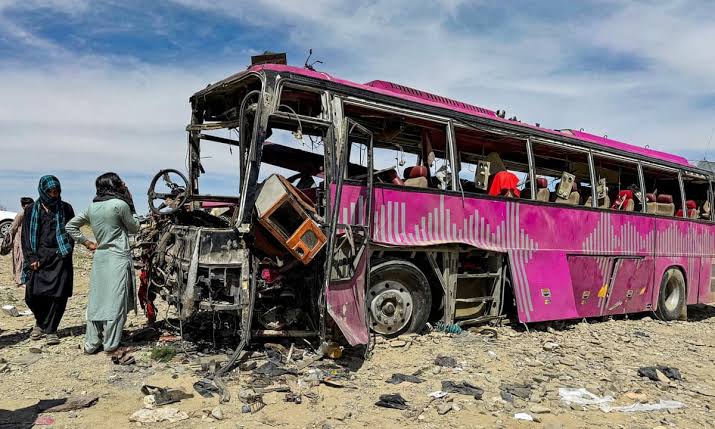
For Beijing, the renewed wave of BLA attacks poses a direct threat. Chinese engineers, construction workers, and investments have increasingly become targets of militant violence. Despite heavy security cover provided by Pakistan, repeated attacks have exposed the limits of military solutions.
The latest assault reinforces a pattern seen over the past few years, where Baloch militants have sought to internationalise their struggle by striking Chinese interests. Analysts believe the BLA views CPEC as a symbol of resource exploitation that excludes local communities, fuelling resentment and recruitment.
Why the US Is Also Watching Closely
While China’s footprint in Balochistan is more visible, the United States also has growing stakes in the region. Washington’s interest is tied to critical minerals essential for clean energy technologies and advanced manufacturing. Balochistan’s untapped reserves have drawn attention amid global supply chain realignments.
Additionally, the instability threatens broader regional security. Persistent violence undermines Pakistan’s internal stability, complicates counter-terrorism efforts, and risks creating ungoverned spaces that extremist groups could exploit. These concerns align with long-standing US strategic priorities in South Asia.
Local Grievances Driving the Insurgency
At the heart of the conflict lies a history of political marginalisation, economic neglect, and allegations of human rights abuses. Baloch leaders have long argued that the province’s natural wealth benefits the federal government and foreign investors while leaving local populations impoverished.
Repeated military operations, enforced disappearances, and limited political dialogue have further alienated communities. The BLA has capitalised on these grievances, portraying itself as a resistance movement against what it calls external exploitation.
Implications for Regional Stability
The scale of the recent attacks suggests that Pakistan’s security-centric approach has failed to contain the insurgency. Continued instability in Balochistan threatens not only economic projects but also regional connectivity initiatives linking South Asia, Central Asia, and the Middle East.
For India, developments in Balochistan are closely monitored due to their impact on regional security dynamics.
A Wake-Up Call Beyond Pakistan
The coordinated BLA offensive sends a clear message that economic investments alone cannot secure stability. Without addressing political grievances and ensuring local participation, infrastructure projects risk becoming flashpoints rather than solutions.
As global powers compete for resources and influence, Balochistan stands as a cautionary tale. The latest violence underscores that ignoring local realities can have far-reaching consequences, making the province a critical test case for both China’s overseas ambitions and America’s strategic recalibration.