
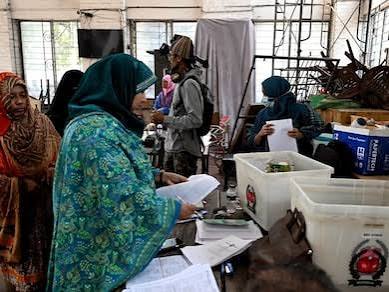

Bangladesh follows a unicameral parliamentary system under the Jatiyo Shangsad, which consists of 350 seats. Of these, 300 members are elected directly through a first-past-the-post system, while 50 seats are reserved for women and allocated proportionally based on party performance.
Under this system, the candidate with the highest number of votes in each constituency wins. A party needs 151 seats to form a government independently. The second-largest party assumes the role of official opposition.
This election also includes a referendum on the July National Charter 2025, drafted by the caretaker government after the 2024 protests. The charter proposes constitutional and structural reforms, making this vote both a parliamentary contest and a potential blueprint for systemic change.
Political Background: From Protests to Power Shift
The political crisis began in July 2024 when student-led protests erupted over job reservation policies favouring descendants of 1971 freedom fighters. The demonstrations intensified, leading to a harsh crackdown. According to Bangladesh’s International Crimes Tribunal, nearly 1,400 people were killed and thousands injured.
Hasina eventually fled to India and was later convicted in absentia on charges of crimes against humanity. Her Awami League party has since been barred from political activity, leaving a significant vacuum in national politics.
India, which shares deep historical and strategic ties with Bangladesh, is closely watching developments.
Main Contenders: BNP vs Jamaat
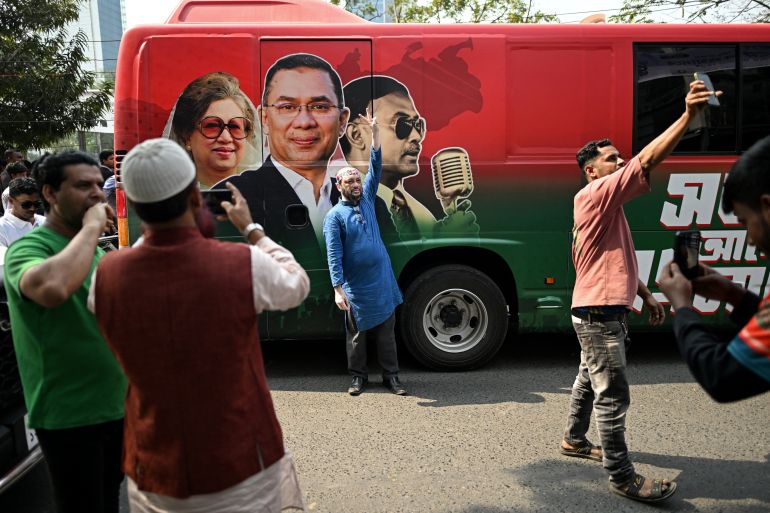
The Bangladesh Nationalist Party (BNP), led by Tarique Rahman, is heading a 10-party alliance. Rahman returned from exile in late 2025, reviving the party’s national campaign machinery. The BNP historically alternated in power with the Awami League and positions itself as a nationalist alternative promising institutional reforms.
Challenging the BNP is Jamaat-e-Islami (JIB), leading an 11-party alliance. Recently restored to electoral politics by the Supreme Court, Jamaat is contesting independently and positioning itself as a transformative force. The party has even fielded a Hindu candidate in a symbolic outreach move.
Smaller parties, including Islami Andolan Bangladesh and the Jatiya Party, are contesting separately, potentially influencing tight constituency battles.
Opinion Polls and Electoral Mood
A December 2025 survey by the US-based International Republican Institute placed the BNP slightly ahead with 33 percent support, while Jamaat trailed closely at 29 percent. With a large youth electorate participating for the first time, analysts predict unpredictable outcomes.
The vote count may take longer than usual due to the dual-ballot system for parliamentary seats and the referendum. Official results are expected within 24 to 48 hours after polling concludes.
Why This Election Matters
Experts describe Bangladesh Election 2026 as a turning point. It will test whether the democratic aspirations of the 2024 protest movement translate into institutional reform. The absence of the Awami League from the contest marks an unprecedented shift in the country’s political structure.
The result will also shape Bangladesh’s foreign policy orientation. A BNP-led government may seek calibrated engagement with India and broader diplomatic balancing, while a Jamaat-led coalition could pursue different regional alignments.
For millions of young voters who spearheaded the protests, this election represents more than a choice of parties it symbolizes the future direction of Bangladesh’s democracy.