

During his address, Nitish Kumar underlined that the recruitment drive is not an isolated step but part of a broader strategy to reinforce Bihar’s public health infrastructure. Over the years, the state has expanded the number of government hospitals, upgraded primary health centres, and increased investments in medical equipment and manpower.
The chief minister noted that the availability of doctors is central to ensuring that these facilities function effectively. With the induction of more than a thousand doctors at one time, the government aims to reduce staff shortages and improve patient care in district hospitals, sub-divisional hospitals, and rural health institutions.
Call for Commitment and Ethical Practice
Congratulating the selected candidates, Nitish Kumar reminded them that government doctors play a crucial role in serving people who rely primarily on public hospitals for treatment. He stressed that commitment to duty and ethical medical practice must guide their work, especially in rural and economically weaker regions.
The programme also reflected the government’s recent efforts to improve discipline and accountability within the health services. The state has framed rules to curb private practice by government doctors, a move aimed at ensuring their full availability in public hospitals during working hours.
Crackdown on Touts and Middlemen
In parallel with the recruitment drive, the Bihar government has intensified inspections in government hospitals to curb the influence of touts and middlemen. These intermediaries often lure patients and their attendants to private hospitals, diagnostic centres, and medical stores, undermining trust in public healthcare facilities.
Health department officials have been directed to identify such practices and take strict action wherever irregularities are found. According to the government, these measures are essential to restore confidence in government hospitals and ensure that patients receive transparent and affordable treatment.
Senior Officials Present at the Programme
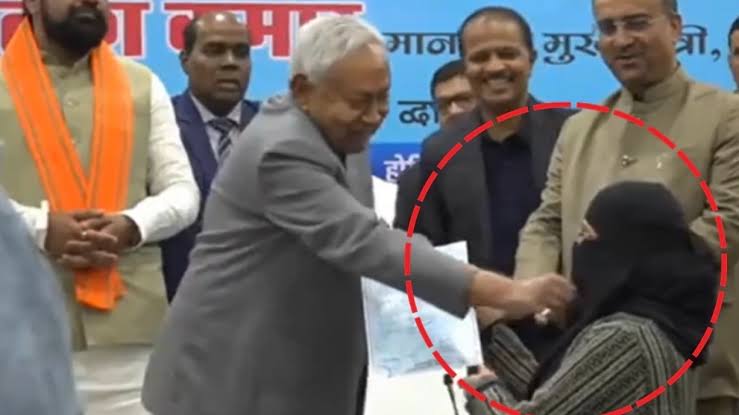
The appointment letters were ceremonially handed over to a group of newly selected doctors, including Anubhav Prakash, Mrinal Kumar, Raushan Kumar, Neha Kumari, Ravi Ranjan Kumar, Utkarsh Sharma, Ashish Ranjan, Alok Ranjan, and Abhishek Kumar, symbolising the larger recruitment initiative.
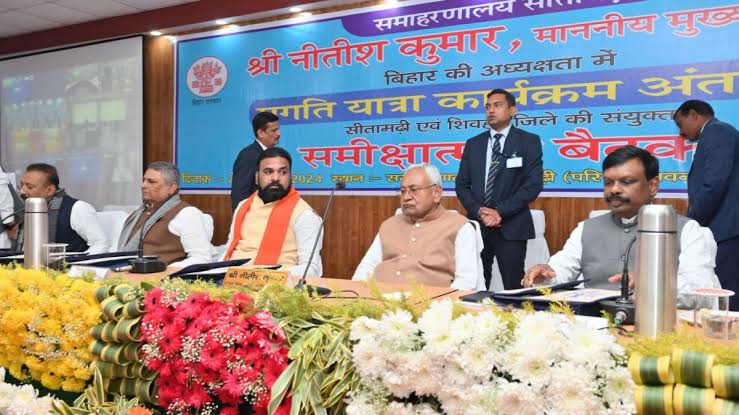
Health department secretary Lokesh Kumar Singh welcomed the chief minister at the event. Deputy Chief Minister Samrat Choudhary, Health Minister Mangal Pandey, Principal Secretary to the CM Deepak Kumar, Principal Secretary Kumar Ravi, Special Secretary Himanshu Sharma, Patna District Magistrate Thiyagarajan SM, SSP Kartikeya Sharma, and several other senior officials were also present.
Part of a Larger Healthcare Push
The appointment of 1,224 doctors comes amid sustained efforts by the Bihar government to upgrade healthcare delivery. Initiatives such as improved hospital infrastructure, recruitment of medical and paramedical staff, and tighter monitoring mechanisms are being implemented to address long-standing gaps in the system.
Officials have indicated that further steps are planned to enhance service delivery and ensure that government healthcare institutions remain the first choice for patients.