
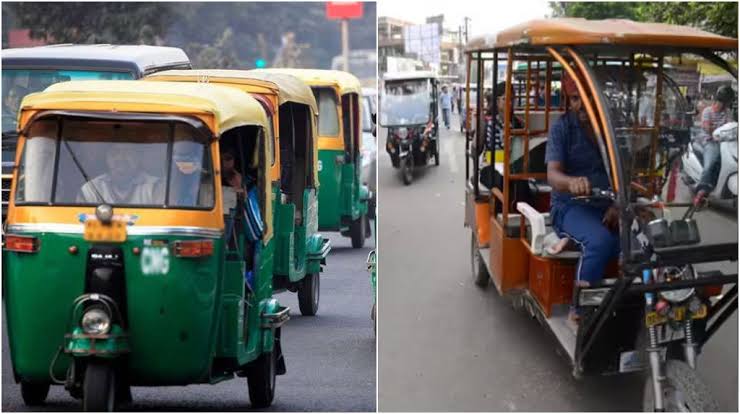
Major Roads in Patna Affected
In the state capital Patna, enforcement will be particularly strict on major arterial routes. These include the New Bypass, Patna–Gaya Road, Bihta–Sarmera Road, and the Phulwarisharif–Danapur–Bihta stretch. District transport officers have been instructed to ensure strict compliance with the order.
Officials said the ban is not limited to urban areas and will be enforced uniformly across districts to prevent confusion and ensure road discipline.
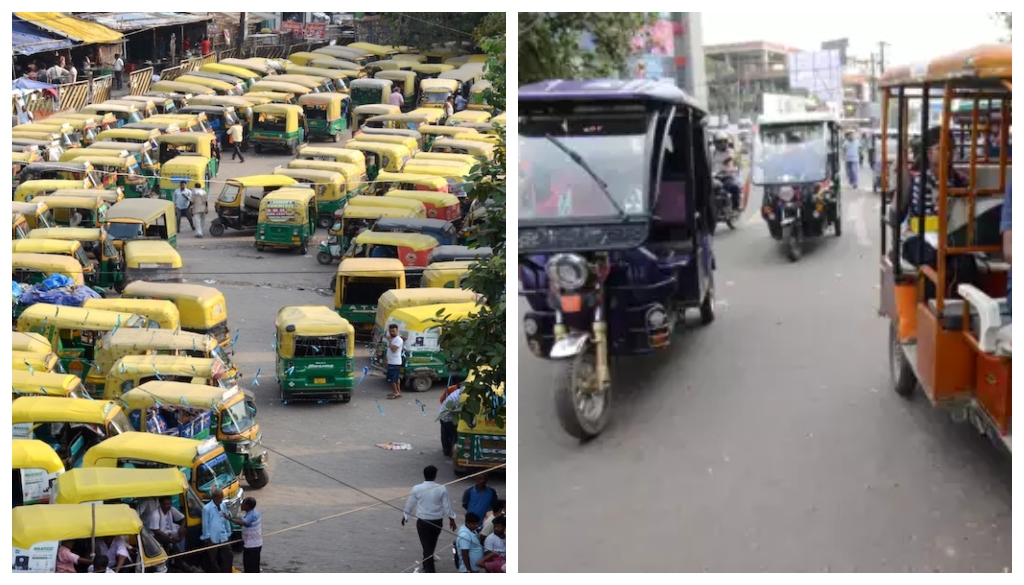

Transport Minister Shravan Kumar defended the move, stating that highways are designed for fast-moving vehicles such as buses, trucks, and cars. The presence of slow-moving e-rickshaws, he said, increases the risk of fatal accidents.
“E-rickshaws do not have the braking capacity or structural strength required for sudden stops or sharp turns on highways,” the minister said. “Their low speed makes them extremely vulnerable, endangering both passengers and other road users.”
The government order also highlighted that many e-rickshaws lack advanced safety features, making them unsuitable for high-speed traffic environments.
Complete Ban on Jugaad Vehicles
Alongside e-rickshaws, the Bihar government has also announced a complete prohibition on jugaad vehicles across the state. These improvised vehicles, often assembled using scrap materials such as motorcycle engines, wooden planks, or metal frames, are commonly used in rural areas.
Officials pointed out that such vehicles operate without registration, insurance, or fitness certificates, in direct violation of the Motor Vehicles Act. Many also lack basic safety essentials such as functional brakes, headlights, indicators, or reflectors.
According to transport officials, the unchecked operation of jugaad vehicles has contributed significantly to rural road accidents in recent years.
Drivers and Passengers Express Concern
The ban has sparked strong reactions from e-rickshaw operators, especially in rural and semi-urban areas where these vehicles serve as an affordable and accessible mode of transport.
Himanshu Kumar, general secretary of the E-Rickshaw Drivers’ Association, criticised the decision, alleging that it was politically motivated. He said nearly 18,000 to 20,000 e-rickshaws operate in Patna district alone, and around 8,000 of them rely on routes now declared off-limits.
Statewide, more than three lakh e-rickshaws are estimated to be in operation, supporting thousands of families.
Impact on Daily Commuters
Passengers have also raised concerns about reduced mobility and increased travel costs. Residents living along bypasses and highway-adjacent areas fear they will now be forced to rely on costlier transport options.
“E-rickshaws are the most economical option for families, especially when travelling with luggage,” said Ramesh Sinha, a resident of Naubatpur. “Autos charge much more, and buses don’t reach many interior areas.”
Others warned that the ban could worsen last-mile connectivity, particularly for lower-income groups and elderly passengers.
Balancing Safety and Livelihoods
While the government has emphasised that the decision was taken purely in the interest of public safety, transport experts suggest the need for alternative solutions, such as designated service roads or regulated speed corridors for e-rickshaws.
Road safety guidelines issued under the Motor Vehicles Act and advisories from the Ministry of Road Transport and Highways stress the importance of segregating slow and fast-moving traffic to reduce accidents.
As enforcement begins, the coming weeks will reveal whether the policy improves highway safety without disproportionately affecting livelihoods.