 Commitment to Cultural Traditions
The department said the decision reflects the state government’s commitment to preserving Bihar’s cultural and religious heritage. A communiqué noted: “The government is determined to ensure smooth celebrations by removing financial burdens linked to essential rituals.”
Officials have instructed district administrations, urban local bodies, and mining offices to implement the directive. The order is expected to particularly benefit pandal organisers who face significant costs during the high-demand festival months.
Environmental Safeguards
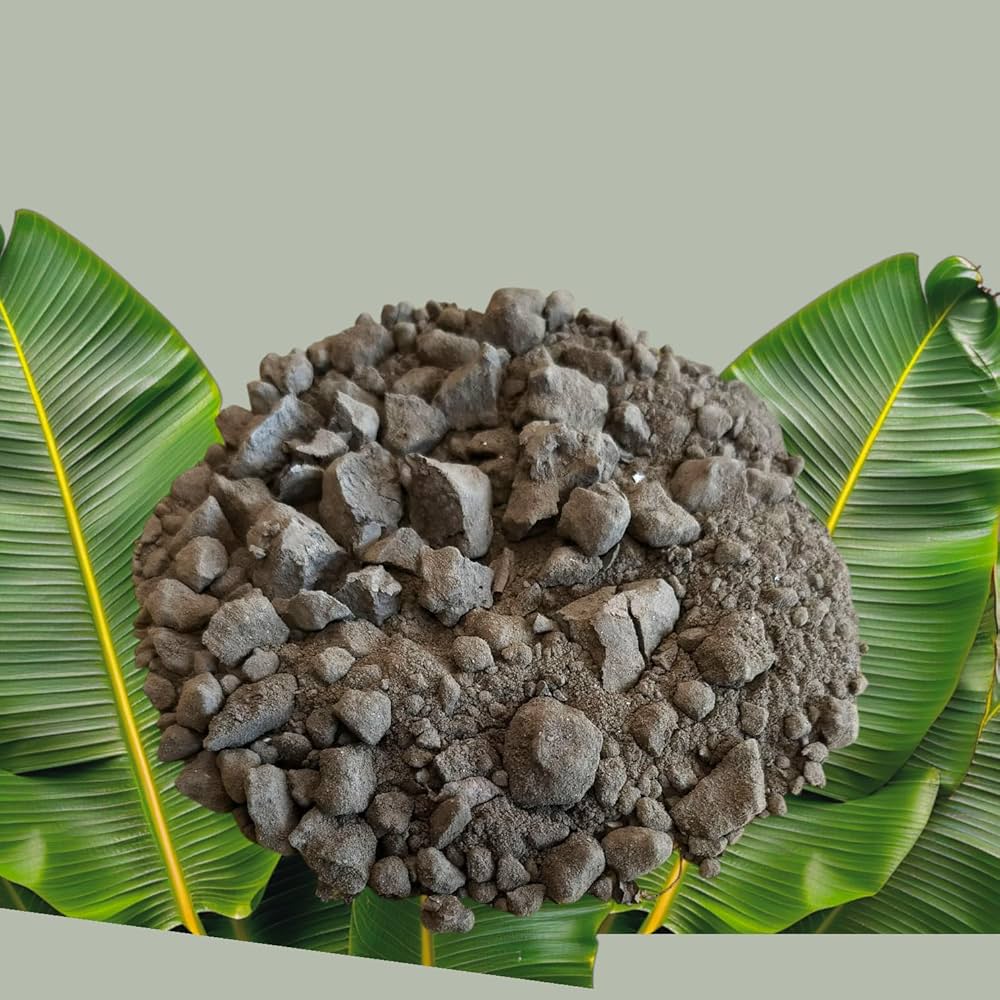
While granting the waiver, the department also issued a word of caution. Organisers have been urged to exercise restraint while sourcing soil to prevent damage to public lands, water bodies, and green areas. The advisory highlights the need for balancing tradition with ecological responsibility.
Environmentalists have welcomed the precaution but stressed the importance of strict monitoring. “Religious freedom must go hand in hand with sustainable practices. Over-extraction of soil can harm ecosystems and disrupt water flow,” said a Patna-based conservationist.
Boost to Festive Preparations
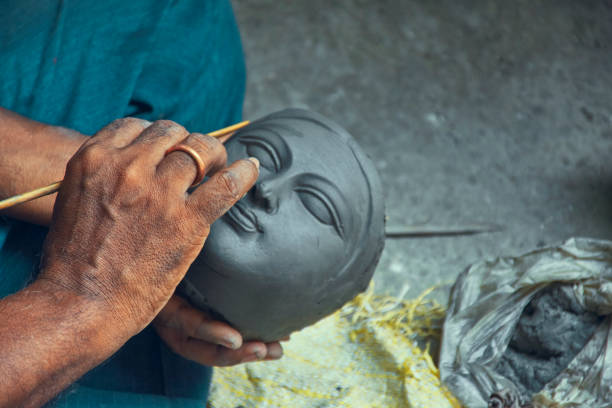
The timing of the decision is significant as preparations for Durga Puja have already begun across Bihar. Communities building large pandals and clay idols require vast amounts of soil, and the royalty waiver is expected to reduce overall costs. Similar benefits are expected during Diwali and Chhath, when soil is used for setting up temporary structures and altars along riverbanks.
The step is being seen as part of the government’s larger outreach to support cultural celebrations in the state. More details are expected to be shared by district officials in the coming days.