U.S. Indictment Unsealed
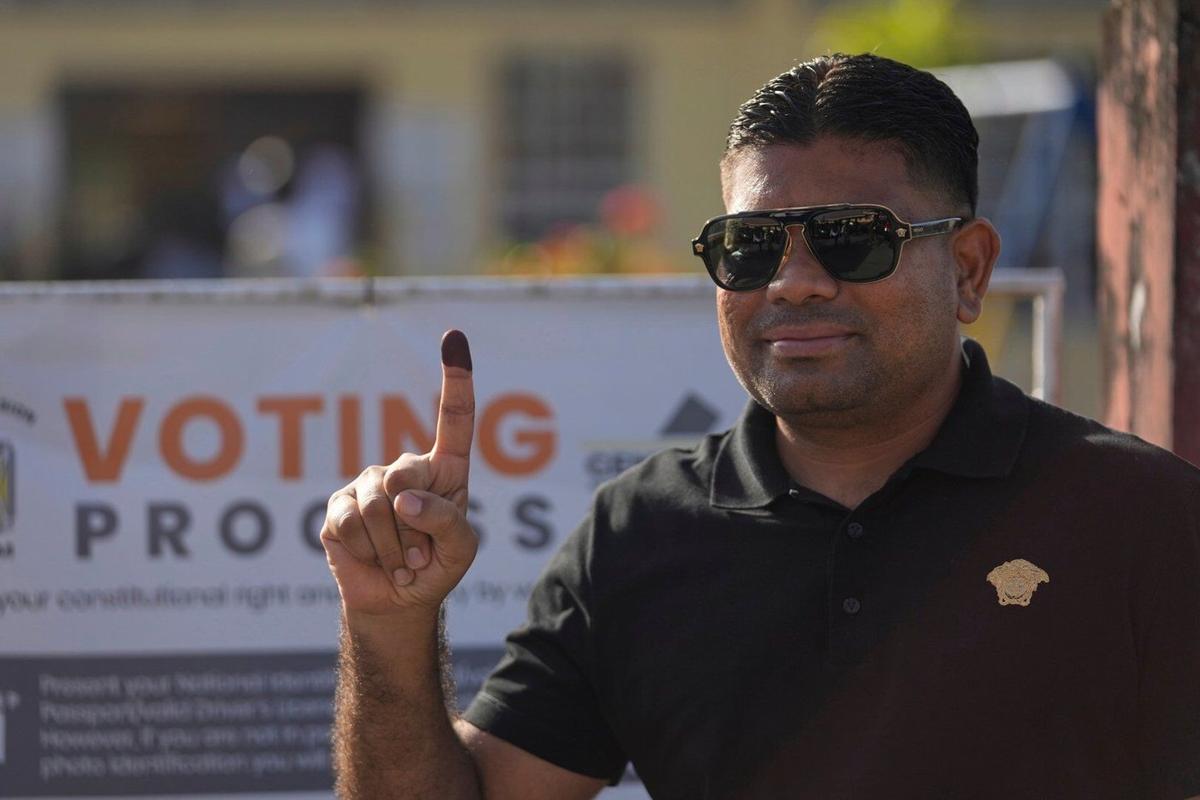
The indictment, unsealed last week by the U.S. Department of Justice, accuses Mohamed and his father, Nazar Mohamed, of running a multimillion-dollar fraud and gold-smuggling scheme between 2017 and 2024 through their company, Mohamed’s Enterprise.
 Charges and Allegations
The court documents detail how Mohamed’s Enterprise allegedly reused shipping boxes bearing Guyana’s official revenue seals to export gold, making it appear that taxes and royalties had been paid. In reality, authorities allege, the company evaded taxes worth over $50 million.
Investigators claim the enterprise bribed customs and government officials to approve fake documents and enable illegal shipments to the United States. The U.S. Treasury Department had already sanctioned the Mohamed family in 2024 for smuggling over 10,000 kilograms of gold from Guyana.
Political Rise Amid Controversy
Azruddin Mohamed, once a presidential candidate, gained momentum in September 2025 when his newly formed We Invest in Nationhood (WIN) party won 16 of 65 parliamentary seats, becoming the second-largest bloc in Guyana’s legislature.
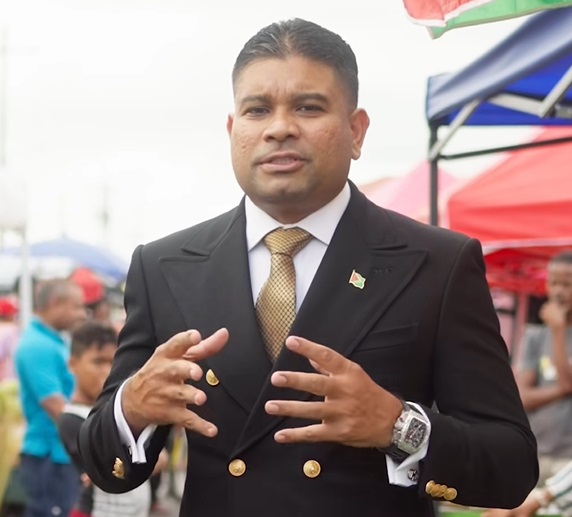
The businessman, known for flaunting luxury cars and a lavish lifestyle on social media, dismissed the U.S. charges as politically motivated. “This is not just a personal attack; it’s political — a fear tactic,” he said in a televised address on Monday.
Legal and Political Implications
Despite the indictment, parliamentary officials confirmed Mohamed remains legally entitled to serve. Sherlock Isaacs, Clerk of the Guyanese Parliament, said he can hold office “unless and until convicted in a court of law.”
Political analysts, including Mark Kirton of the University of the West Indies, note that the legal process could drag on for years. “He can continue as a parliamentarian and even as opposition leader until the case concludes,” Kirton explained.
Extradition remains uncertain. Guyana’s Vice-President has acknowledged it as a possible outcome but said decisions will depend on future court rulings and diplomatic agreements.
Corruption and Governance Questions
The case has reignited debates about corruption in Guyana’s booming oil economy. The South American nation, one of the world’s fastest-growing due to recent offshore oil discoveries, has faced scrutiny for weak institutional oversight and political patronage.
Transparency advocates say the Mohamed indictment highlights the challenges of ensuring that Guyana’s newfound wealth benefits its people rather than a connected elite.
What Lies Ahead
As the case unfolds in Florida’s Southern District Court, attention will focus on whether Guyana cooperates with U.S. authorities and whether Mohamed’s political standing can withstand prolonged scrutiny.
For now, his WIN party remains defiant, framing the case as external interference in Guyana’s democratic process.