
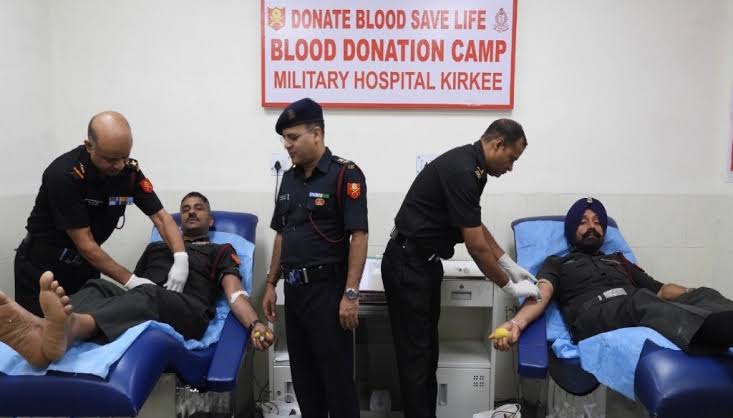
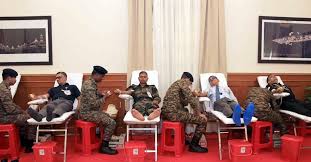

The event witnessed an overwhelming response, reflecting the spirit of service and solidarity within the defence establishment. A total of 131 officials donated blood during the drive. The donors included civilian officials from the Armed Forces Headquarters (AFHQ) as well as uniformed service personnel.
Organisers described the turnout as encouraging and symbolic of the deep sense of responsibility shared by employees towards the welfare of the Armed Forces. Many participants volunteered despite demanding schedules, underscoring their commitment to humanitarian causes.
Medical Support and On-the-Spot Recognition
The Armed Forces Transfusion Centre from Delhi Cantonment provided logistical support, medical expertise, and necessary equipment to ensure smooth and safe conduct of the camp. Standard medical protocols were followed throughout the blood collection process to safeguard donor health and maintain quality standards.
Certificates of appreciation were issued to all donors on the spot as a gesture of gratitude. The recognition served both as encouragement and acknowledgment of their valuable contribution to the Armed Forces’ medical preparedness.
Supporting the Armed Forces Through Voluntary Action
Blood donation plays a critical role in meeting emergency medical requirements, including surgeries, trauma care, and treatment of serious illnesses among service members. Regular voluntary drives help maintain adequate reserves, particularly for armed forces personnel who may require urgent medical support.
The Ministry of Defence periodically organizes such welfare initiatives to promote health awareness and civic responsibility among its employees. These efforts align with broader national campaigns encouraging voluntary blood donation as a lifesaving act.
Encouraging a Culture of Service
The successful organization of the Blood Donation Camp highlights the collaborative effort between administrative wings and medical services within the defence framework. It also reinforces the culture of collective responsibility that defines India’s Armed Forces community.
Officials noted that such initiatives not only contribute directly to medical readiness but also foster camaraderie and a sense of shared purpose. With 131 units of blood collected, the camp marked a meaningful contribution to the healthcare infrastructure supporting the nation’s defenders.
As voluntary participation continues to grow, similar drives are expected to be organized in the future to sustain adequate blood supplies and strengthen the Armed Forces’ healthcare system.