
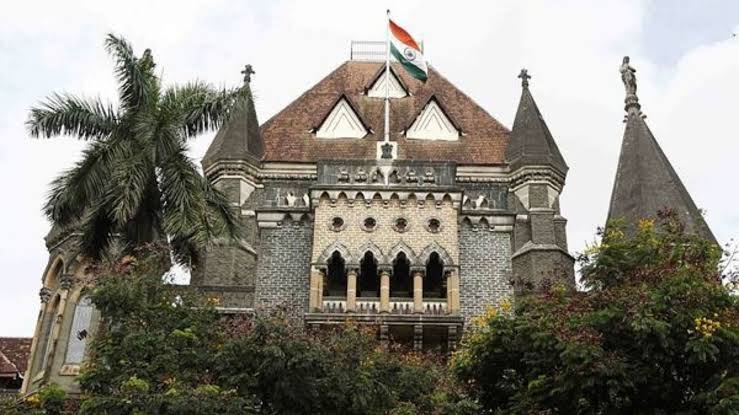


The residents of the illegal floors at Willingdon Heights, also known as Thakkar Tower, have been living in flats that legally shouldn’t exist. The building has an OC only for the first 16 floors. Floors 17–34 are unauthorized.
The HC called the occupants a “selfish lot” who, despite being well-off, chose to ignore building norms and endanger lives. The bench, comprising Justices Girish Kulkarni and Arif Doctor, said such brazen violations set a “very bad example.”
Safety Risks and Regulatory Failure
Shockingly, the building lacks even a fire No Objection Certificate (NOC). This is not just illegal—it’s life-threatening. Without a fire NOC, emergency responses can be delayed or ineffective, putting hundreds at risk.
BMC (Brihanmumbai Municipal Corporation) flagged multiple violations, including merging of two floors (26th and 27th), a clear deviation from approved plans. These were raised as far back as 2011.
Legal Battle Sparked by a Resident
The case reached the court after resident Sunil Jhaveri filed a petition. He brought attention to these violations and emphasized the need for lawful occupancy. His courage in standing up to illegal practices triggered a city-wide conversation about builder-resident accountability.
Senior advocate Sharan Jagtiani, representing Jhaveri, presented BMC notices and court directives dating back over a decade. Despite warnings, illegal occupancy continued without hesitation.
High Court Refuses to Extend Stay
On March 27, 2025, the HC had given temporary protection to the residents. But on July 15, the court vacated this protection. It refused to grant a stay to allow further illegal occupancy.
Even a request from senior advocate Dinyar Madon, seeking time on humanitarian grounds, was declined. The judges stressed that accepting such requests would make building laws “nugatory and inconsequential.”
Strict Message to Builders and Buyers
The court reminded all stakeholders—builders, societies, and homebuyers—that rules exist for a reason. It noted that these affluent residents had the means and influence to follow the law but chose not to.
Justice Kulkarni emphasized, “This is not only illegal but dangerous. If they aren’t bothered about their lives, how will they care for others in case of a tragedy?”
Next Steps and Hope for Legal Reoccupation
The court clarified that residents could only reoccupy their flats after the illegalities are regularized and an OC is issued. The plea for floors 1–16 will be heard on July 29.
BMC was also asked not to proceed with demolition of lower floors until the next hearing. But for the top 18 floors, action is imminent if the eviction order isn’t followed.
What This Means for Mumbai’s Skyline
This ruling sends a clear message to Mumbai’s real estate sector—no one is above the law. As the city continues to grow vertically, compliance with fire, building, and safety codes becomes non-negotiable.
Unauthorized construction poses not just legal problems but threatens lives. It reflects poorly on urban governance and civic responsibility.
Residents, even in posh areas, must now think twice before ignoring building regulations. The days of bending rules with influence and money may be coming to an end.
Key Takeaways
- Bombay HC ordered evacuation of floors 17–34 of Willingdon Heights in Tardeo.
- These floors lack an Occupation Certificate and a fire NOC.
- The court called the residents “selfish” and legally non-compliant.
- BMC flagged violations as far back as 2011.
- Reoccupation is allowed only after proper legal certification.
Conclusion
This is a wake-up call. Building safety is not optional. Residents cannot turn a blind eye to legality. And civic authorities must ensure that construction norms are followed—strictly and uniformly.
In a city as densely populated as Mumbai, even one illegal floor can have catastrophic consequences. The court’s decision is not just about rules—it’s about life, safety, and justice.