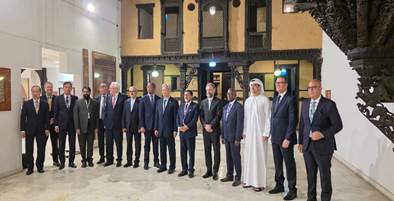
The cultural gathering was organised by the Ministry of External Affairs in collaboration with the Office of the Development Commissioner (Handicrafts), Ministry of Textiles. It followed the successful conclusion of the first BRICS Sherpas and Sous Sherpas meeting held in New Delhi on February 9 and 10. The initiative aimed to provide international delegates with a deeper understanding of India’s cultural legacy while fostering stronger people-to-people ties.
 Cultural Diplomacy Takes Centre Stage
The cultural evening served as an important platform to demonstrate India’s commitment to strengthening diplomatic relations through cultural exchange. Delegates from Brazil, Russia, China, South Africa, Egypt, Ethiopia, Saudi Arabia, the UAE, Iran, and Indonesia attended the event, alongside ambassadors and nearly 30 foreign representatives.
Officials from multiple Indian government departments, including the Ministry of Health, the Department for Promotion of Industry and Internal Trade (DPIIT), and the Revenue Department, were also present. The gathering was hosted by India’s BRICS Sherpa, Secretary (Economic Relations), and supported by the Joint Secretary (Multilateral Economic Relations), reflecting the strategic importance of the engagement.
The event was designed to offer foreign delegates a comprehensive experience of India’s artistic heritage, living traditions, and creative excellence.
Delegates Experience India’s Living Traditions
A guided tour of the National Crafts Museum formed the central highlight of the evening. Volunteer guides led delegates through galleries featuring traditional art forms, handicrafts, and regional cultural expressions that represent India’s diverse communities and centuries-old traditions.
The National Crafts Museum, which functions as a hub for preserving and promoting India’s craft heritage, houses extensive collections of textiles, sculptures, paintings, and handmade objects.
Delegates explored exhibits showcasing regional craftsmanship, traditional tools, and folk art practices. The experience allowed foreign representatives to witness firsthand the creativity, skill, and cultural depth that define India’s handicraft traditions.
Artisan Stalls Highlight India’s Craft Excellence
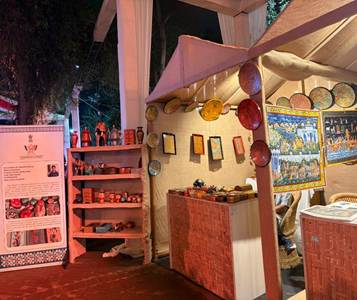
To further enrich the experience, special artisan stalls were set up within the museum premises. These stalls displayed handcrafted items such as Black Pottery, Chamba Rumal embroidery, Kalamkari textiles, Lac bangles, and Papier Mâché creations.
The displays highlighted the diversity and craftsmanship of Indian artisans, representing different regions and cultural traditions. Delegates interacted with artisans and learned about the techniques, cultural significance, and heritage behind these crafts.
The stalls also demonstrated India’s ongoing efforts to support artisans and preserve traditional skills. By connecting global audiences with local craftspeople, the event emphasized the importance of sustaining cultural industries in an increasingly globalized world.
Strengthening BRICS Cooperation Through Culture
The cultural evening underscored the broader role of cultural diplomacy in international relations. As India continues its BRICS Chairmanship, such engagements help strengthen trust, mutual understanding, and cooperation among member and partner countries.
BRICS, which represents some of the world’s fastest-growing economies, serves as a platform for collaboration in areas including economic development, technology, health, and cultural exchange. Cultural interactions like this event complement formal diplomatic discussions by building deeper connections between nations.
Delegates expressed appreciation for India’s efforts to preserve traditional arts and promote artisans globally. Many acknowledged the value of cultural exchange in fostering long-term cooperation and mutual respect among nations.
National Crafts Museum’s Role in Cultural Preservation
The National Crafts Museum plays a vital role in safeguarding India’s artistic heritage. It not only preserves historic craft traditions but also provides artisans with a platform to showcase and sustain their work.
Events like the BRICS cultural evening reinforce the museum’s importance as a cultural and diplomatic venue. By hosting international delegations, the museum helps position Indian crafts on the global stage while supporting cultural exchange.
The museum also contributes to artisan empowerment by providing opportunities for direct engagement with audiences, policymakers, and international representatives. This strengthens both cultural preservation and economic sustainability for traditional craft communities.
India’s Cultural Soft Power in Global Diplomacy
India has increasingly leveraged cultural diplomacy as a strategic tool in its international engagement. By showcasing its heritage, traditions, and artistic achievements, India reinforces its global identity while promoting mutual respect and cooperation.
The BRICS cultural evening at the National Crafts Museum demonstrated how cultural exchange can complement diplomatic dialogue. It provided delegates with a deeper appreciation of India’s cultural richness while strengthening international partnerships.
As India continues to expand its role on the global stage, cultural initiatives like these remain essential in fostering goodwill, enhancing cooperation, and promoting India’s cultural legacy worldwide.