
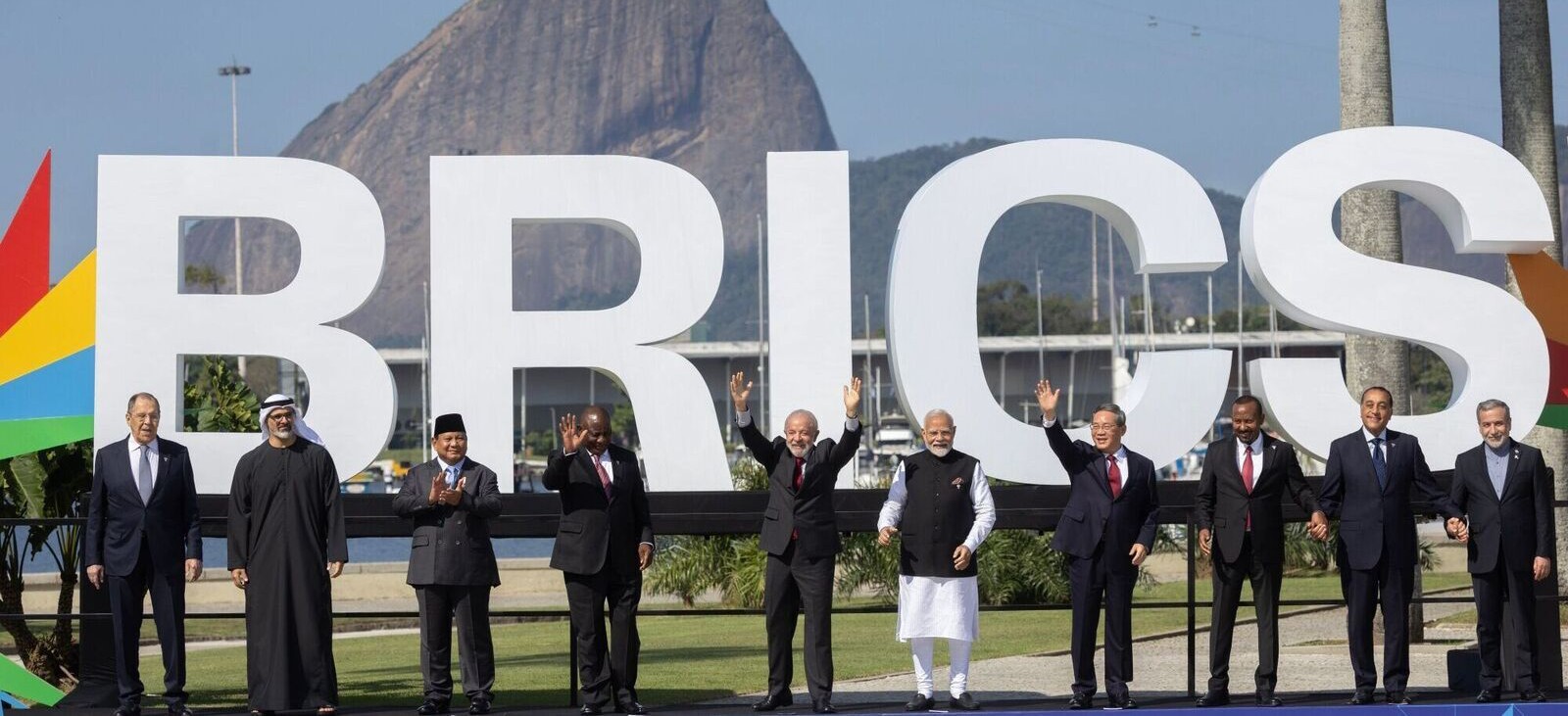
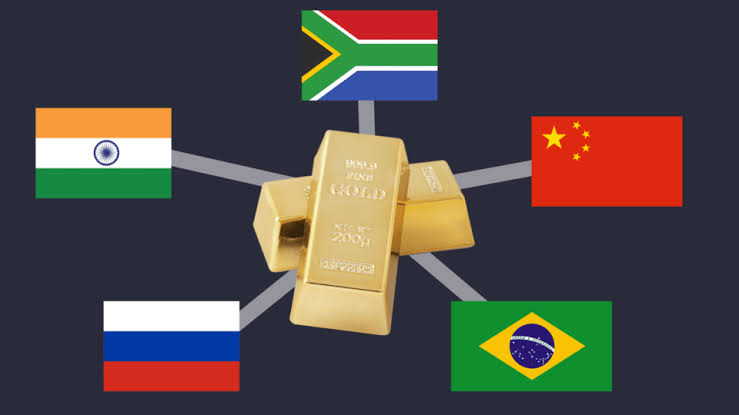

BRICS Brazil, Russia, India, China, and South Africa have steadily increased gold production and purchases over the past decade. China and Russia have emerged as leaders in this strategy, with China producing around 380 tonnes of gold in 2024 and Russia contributing nearly 340 tonnes.
Brazil also joined the trend by purchasing 16 tonnes of gold in September 2025, marking its first major acquisition in four years. Analysts note that BRICS nations are not only producing more gold but also retaining it domestically while buying additional quantities from international markets.
Geopolitics and Reserve Safety
The turning point for many emerging economies came after Western nations froze a significant portion of Russia’s foreign exchange reserves following the Ukraine conflict. That episode fundamentally altered how governments assess reserve safety and political risk.
Gold, unlike foreign-held currency assets, is physically held, politically neutral, and immune to sanctions. As a result, central banks across BRICS have increased gold’s share in their reserve portfolios while gradually moderating exposure to dollar-denominated assets.
Impact on the US Dollar
Despite these shifts, the US dollar remains the world’s primary reserve currency, dominating global trade, finance, and capital markets. However, analysts suggest its uncontested supremacy is being questioned rather than abruptly challenged.
BRICS economies now account for nearly 30% of global trade, making their monetary choices globally significant. An increasing portion of intra-BRICS trade is settled in local currencies, with roughly one-third bypassing the dollar altogether.
Trade Realignments and Local Currencies
Bilateral trade arrangements—such as settlements between India and Russia or China and Brazil using local currencies—highlight a pragmatic effort to reduce transaction costs and limit exposure to dollar liquidity cycles.
India’s broader approach to strengthening economic resilience and diversified trade partnerships aligns with its external economic policies, as outlined by the Ministry of External Affairs (mea.gov.in).
Is a Gold-Backed BRICS Currency Likely?
Market experts caution against interpreting rising gold accumulation as an imminent move toward a gold-backed BRICS currency. Instead, gold is being used primarily as a diversification and risk-management tool rather than a replacement for existing monetary systems.
The real structural challenge to the dollar lies in evolving trade patterns, energy transitions, and technological shifts rather than gold alone. China’s push toward renewable energy and electric vehicles, for instance, reduces long-term reliance on dollar-linked commodity pricing.
A Gradual Shift, Not a Sudden Shock
Analysts agree that BRICS’ gold strategy does not signal the end of the dollar’s dominance. Instead, it marks a gradual transition toward a more diversified and multipolar financial system where no single currency enjoys absolute trust.
Gold’s renewed prominence reflects its enduring role as a store of value during periods of uncertainty. In a fragmented global economy, it is quietly reclaiming its position as an anchor of monetary confidence.