 From Liberalisation to Selective Engagement
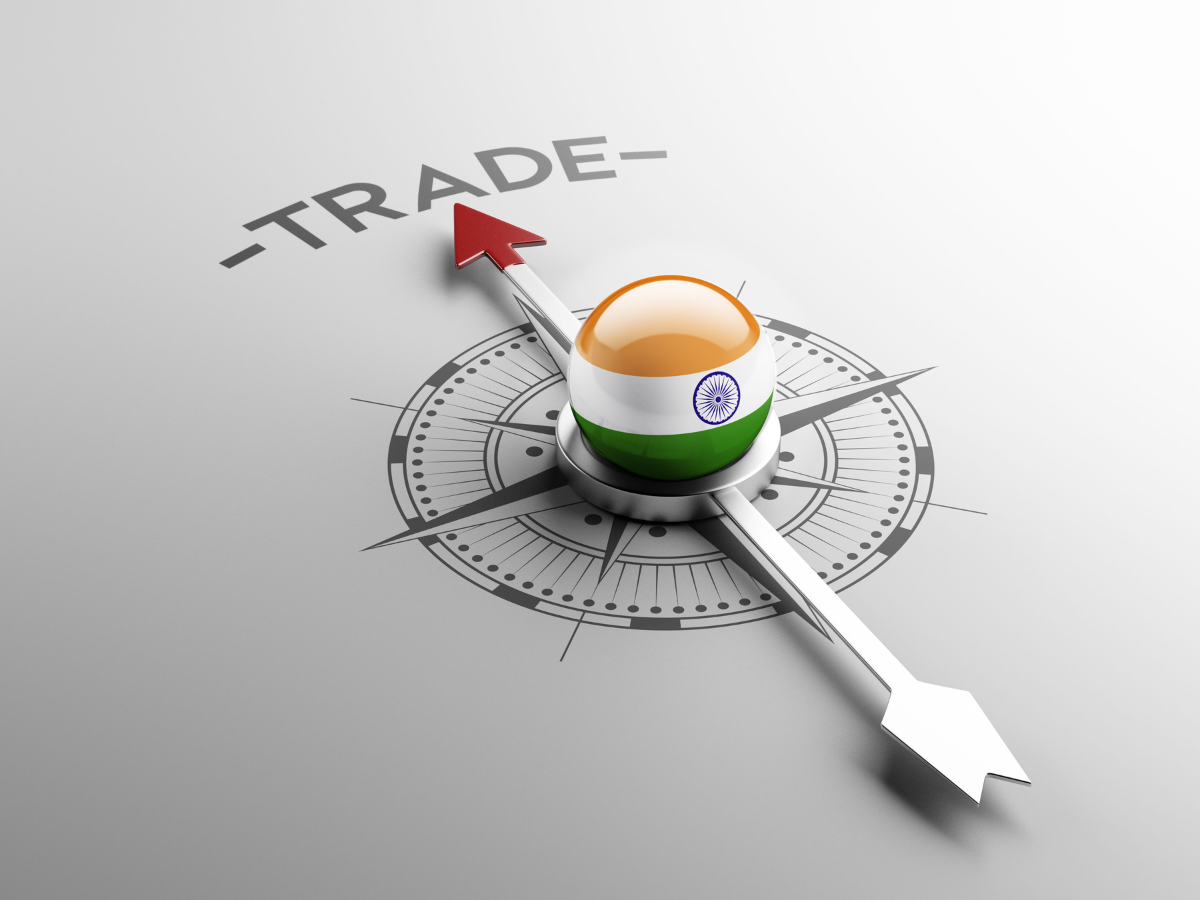
India’s response reflects a strategic shift. Rather than pursuing blanket liberalisation, New Delhi has focused on selective engagement that reduces overdependence on any single market. Recent trade agreements with New Zealand, Oman and the United Kingdom illustrate this diversification-first approach.
The agreement with New Zealand spans agriculture, services and sustainability-linked trade. The Comprehensive Economic Partnership Agreement with Oman deepens India’s economic footprint in West Asia, while the India–UK trade pact emphasises tariff rationalisation, services mobility and regulatory cooperation. Together, these agreements spread risk across geographies at a time when policy-driven disruptions are becoming more frequent.
Domestic Capability as Trade Insurance
India’s trade recalibration is closely tied to its domestic manufacturing push. Under the Atmanirbhar Bharat framework, Production-Linked Incentive (PLI) schemes aim to build scale, competitiveness and reliability across key sectors. Electronics, pharmaceuticals, automotive components, solar modules and specialty steel have collectively attracted committed investments exceeding ₹1.7 lakh crore.
The objective is not isolation but resilience. By strengthening domestic capabilities, India aims to integrate more effectively into global value chains while reducing vulnerability to external shocks.
Shifting Export Composition
Despite global headwinds, India’s merchandise exports have remained broadly stable. Growth in electronics, pharmaceuticals and engineering goods has offset pressure in labour-intensive sectors such as textiles and leather, which face softer demand and intense competition from lower-cost producers.
Electronics exports have expanded rapidly, pharmaceuticals and specialty chemicals continue to see steady global demand, and engineering goods have benefited from diversified markets. Services trade, particularly digitally delivered services, has provided additional stability and now grows significantly faster than goods trade.
Strengthening digital infrastructure, skills development and cross-border service delivery could help India move further up the global value chain.
Supply Chains and the Case for Agility
Recent disruptions have underscored the importance of flexibility. Shipping delays due to rerouting around the Red Sea and capacity constraints at the Panama Canal have increased freight costs and delivery timelines. Businesses are responding by diversifying sourcing and logistics routes.
India’s trade data shows growing linkages with Southeast Asian economies such as Vietnam, Thailand and Malaysia, alongside deeper engagement with West Asian partners including the UAE and Saudi Arabia. These shifts reflect a pragmatic response to supply chain uncertainty.
The Triple-A Framework for Budget 2026
As policymakers look ahead, India’s trade strategy can be understood through three core pillars: Access, Assurance and Agility. Much of this direction is already visible; the Union Budget’s role is to strengthen execution.
Access today extends beyond tariff reductions. Standards alignment, regulatory interoperability and digital readiness increasingly determine real market entry. Budget support for testing infrastructure, certification systems and digital trade platforms would help ensure negotiated access translates into actual exports.
Assurance relates to reliability across supply chains. Initiatives such as PM Gati Shakti and the Unified Logistics Interface Platform are improving coordination and lowering logistics costs. Continued investment and regulatory predictability can strengthen confidence in India as a dependable trading partner.
Agility has become decisive. In a volatile environment, economies must respond quickly to shocks. Faster customs clearances, expanded digital single-window systems and technology-driven port operations could enhance India’s ability to adapt without disruption.
Balancing Openness and Resilience
The next phase of India’s trade policy cannot be framed in outdated binaries such as open versus closed or global versus domestic. Competitive advantage now comes from balance—remaining open without becoming vulnerable, resilient without turning inward, and agile without being reactive.
Budget 2026 offers an opportunity to make this balance credible through consistent execution rather than headline announcements, ensuring India’s trade strategy endures in an increasingly uncertain global economy.