
As preparations for Union Budget 2026 gather momentum, India’s New Tax Regime has clearly emerged as the cornerstone of the government’s personal taxation strategy. Following the sweeping relief announced in Budget 2025, policymakers appear increasingly committed to nudging taxpayers toward a simpler, deduction-light tax structure.
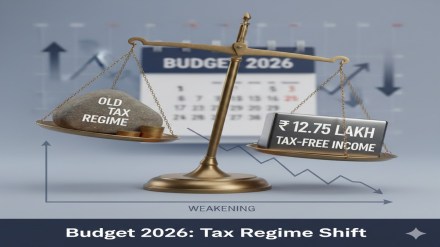

In Budget 2025, the government raised the basic exemption limit under the New Tax Regime from ₹3 lakh to ₹4 lakh. This single change dramatically increased the attractiveness of the regime, especially for middle-income salaried taxpayers.
With standard deductions and rebates, salaried individuals earning up to ₹12.75 lakh effectively paid zero income tax under the revised structure, marking one of the most significant tax relief measures in recent years.
Shift Toward Simplicity
The New Tax Regime was originally introduced to simplify compliance by removing the need for multiple exemptions and deductions. However, initial adoption remained limited as taxpayers clung to familiar benefits under the old system.
The enhanced exemption and slab rationalisation in 2025 changed that equation, making the new system competitive even without popular deductions such as house rent allowance, insurance premiums, or provident fund contributions.
Why Budget 2026 Matters
Tax experts believe Budget 2026 could deepen this transition by further tweaking slabs, increasing exemptions, or rationalising rates to make the New Tax Regime the default choice for a majority of taxpayers.
Such a move would align with the government’s broader goal of reducing complexity, minimising litigation, and improving voluntary tax compliance.
Impact on Middle-Class Taxpayers
For middle-class households, especially young professionals with fewer tax-saving investments, the New Tax Regime now offers clarity and predictability. Monthly tax deductions are easier to estimate, and year-end tax planning becomes less stressful.
However, taxpayers with home loans, significant insurance coverage, or long-term savings may still find the old regime more beneficial, at least in the short term.
Old Regime May Gradually Fade
While the government has retained both regimes for now, repeated incentives for the new structure suggest a long-term plan to phase out the older system. Maintaining two parallel tax frameworks adds administrative complexity and confuses taxpayers.
A gradual transition allows households time to adjust their financial planning without sudden disruption.
Revenue and Compliance Considerations
From the government’s perspective, a simpler tax regime reduces enforcement costs and improves transparency. Fewer deductions also limit avenues for misuse and under-reporting.
Officials believe that broader compliance and economic growth can offset revenue losses from higher exemptions.
What Taxpayers Should Watch For
As Budget 2026 approaches, taxpayers should closely track announcements related to slab changes, rebates, and standard deductions. Any further easing under the New Tax Regime could prompt a permanent shift in personal tax planning strategies.