
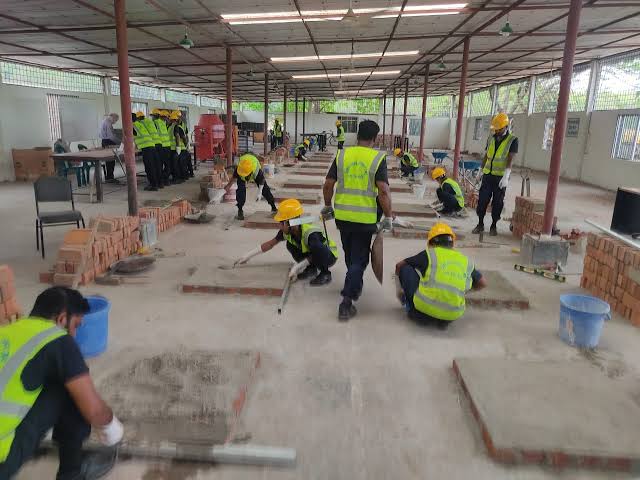
Capacity building for faster, quality construction
The workshop is designed as a concentrated capacity-building exercise focused on project planning, execution, monitoring and strict adherence to quality standards. Over two days, invited experts from Indian Institutes of Technology (IITs), National Institutes of Technology (NITs), Central Building Research Institute (CBRI) and other technical bodies will deliver hands-on sessions and practical training tailored for site engineers working on residential school projects in remote tribal regions.
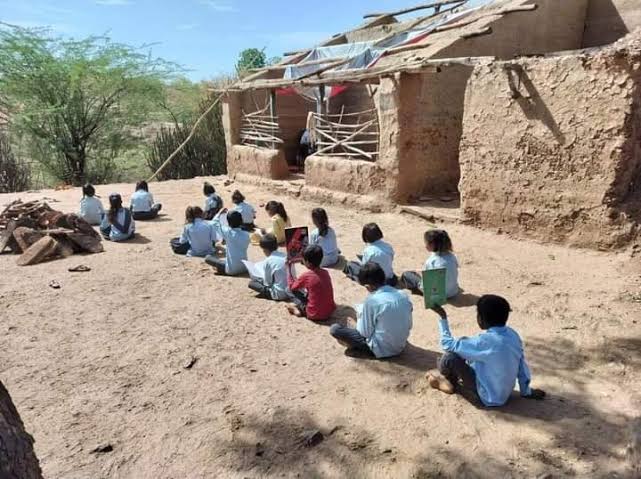

Robust school infrastructure is pivotal for ensuring safety, continuity of learning and an enabling residential environment for tribal students. The Eklavya Model Residential Schools (EMRS) scheme aims to provide holistic, residential education that integrates academics, vocational training and cultural learning; quality construction reduces long-term maintenance costs and improves learning outcomes by ensuring schools are resilient to local climatic and logistical challenges.
Scale and targets: EMRS and Centres of Excellence
NESTS, an autonomous body under the Ministry of Tribal Affairs, is implementing the EMRS initiative nationwide. The government has set a target to establish 728 EMRSs; 499 schools are currently functional while construction of the remaining schools is underway. In addition, the Ministry plans 15 Centres of Excellence for Sports within EMRS campuses to promote athletic excellence and holistic development among tribal youth.
Experts, best practices and on-site solutions
Technical modules at the workshop will cover site assessment, soil and foundation considerations, durable material choices, quality assurance protocols, safety standards and time-bound project management. The presence of CBRI and academic partners ensures that scientific methods, testing protocols and modular construction technologies are part of the curriculum — enabling engineers to adopt best-practice solutions suited for remote terrains.
Public-sector convergence and local capacity
Bringing together PSUs, CPWD and state authorities aims to build common standards and faster clearance pathways while encouraging local employment. Emphasis on training local contractors and skilling community labour will help sustain maintenance and improve handover timelines once construction is complete.
Linking infrastructure to learning outcomes
Beyond bricks and mortar, the workshop highlights how design choices influence pedagogy and student well-being. Proper dormitory design, sanitation, potable water supply, kitchen facilities, and sports infrastructure directly affect attendance, retention and physical development central objectives of the EMRS programme.
Challenges and the road ahead
Key challenges remain: logistical constraints in remote areas, supply-chain reliability, climate-adapted designs and consistent quality control across dispersed projects. The workshop aims to mitigate these by standardising reporting, introducing digital monitoring tools and strengthening industry–academic linkages for continuous improvement.
Expected outcomes
Organisers expect improved work-plans, reduced rework, and faster completion rates for ongoing EMRS projects after the workshop. By equipping 300+ engineers with standardised protocols and technical know-how, the initiative seeks to shorten construction timelines while embedding quality control at every stage.