
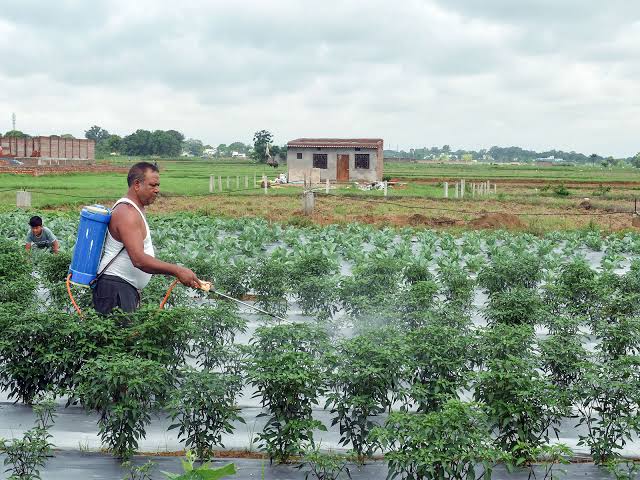


The NBS scheme provides subsidies for Phosphatic and Potassic fertilizers, including Di-Ammonium Phosphate (DAP) and complex NPKS grades (Nitrogen, Phosphorus, Potash, and Sulphur). The approved rates will help maintain stable fertilizer prices despite global market volatility.
The move is expected to ensure uninterrupted availability of fertilizers to farmers while rationalizing subsidy expenditures in line with international trends in fertilizer and raw material prices.
Government’s Commitment to Farmers
Under the NBS scheme, which has been in effect since April 2010, the Government provides subsidies on 28 grades of P&K fertilizers through domestic manufacturers and importers. This ensures farmers can access quality fertilizers at subsidized, reasonable, and affordable rates.
The Cabinet’s latest approval reaffirms the Government’s farmer-centric approach. By stabilizing fertilizer prices, it aims to support the agricultural economy, improve crop yields, and promote sustainable farming practices across India.
Subsidy Rationalization and Global Price Trends
In light of fluctuating international prices for raw materials such as urea, DAP, MOP (Muriate of Potash), and sulphur, the NBS rates have been revised to balance affordability and fiscal prudence. The updated rates for Rabi 2025-26 will continue to make fertilizers accessible while ensuring fiscal discipline.
According to the Department of Fertilizers, the subsidies will be directly provided to companies at the approved and notified rates. This ensures that fertilizers are available to farmers without any price shock or supply disruption.
Boosting Self-Reliance in Fertilizer Production
The Government is also working to enhance domestic fertilizer production capacity under the “Atmanirbhar Bharat” initiative. By encouraging local manufacturing and optimizing imports, India aims to reduce dependency on international markets while maintaining a steady fertilizer supply chain.
This policy decision aligns with the broader goal of ensuring food security and supporting sustainable agricultural growth by empowering farmers with cost-effective agricultural inputs.