 Strategic Connectivity Across Key Economic Corridors
The Nashik–Akkalkot greenfield corridor will connect major regional cities including Nashik, Ahilya Nagar, Dharashiv, and Solapur. It will link seamlessly with critical national highways and expressways such as the Delhi–Mumbai Expressway near the Vadhawan Port interchange, the Agra–Mumbai corridor at Nashik, and the Samruddhi Mahamarg near Pangri.
This strategic alignment will enable through connectivity from the west coast to the east coast. On the southern side, ongoing four-lane corridors connecting Chennai Port to the Maharashtra border via Thiruvallur, Renigunta, Kadappa, and Kurnool will further integrate national freight movement.
Major Reduction in Travel Time and Distance
The primary objective of the access-controlled corridor is to enhance travel efficiency for both passenger and freight traffic. Once operational, the corridor is expected to reduce overall travel time by nearly 17 hours, a reduction of approximately 45 percent from the current 31-hour journey.
The project will also shorten the travel distance by around 201 kilometres, translating into lower fuel consumption, reduced logistics costs, and improved turnaround time for commercial vehicles.
Boost to Logistics and Industrial Corridors
The corridor is expected to significantly improve logistics efficiency for freight originating from and destined to key National Industrial Corridor Development Corporation (NICDC) nodes, particularly Kopparthy and Orvakal. Improved road connectivity will facilitate smoother movement of goods and support industrial expansion across Maharashtra and adjoining states.
The Nashik–Talegaon Dighe section of the project also addresses the long-standing requirement for a Pune–Nashik Expressway, which has been identified by NICDC as part of a new expressway network being developed by the Maharashtra government.
High-Speed, Safer, and Uninterrupted Travel
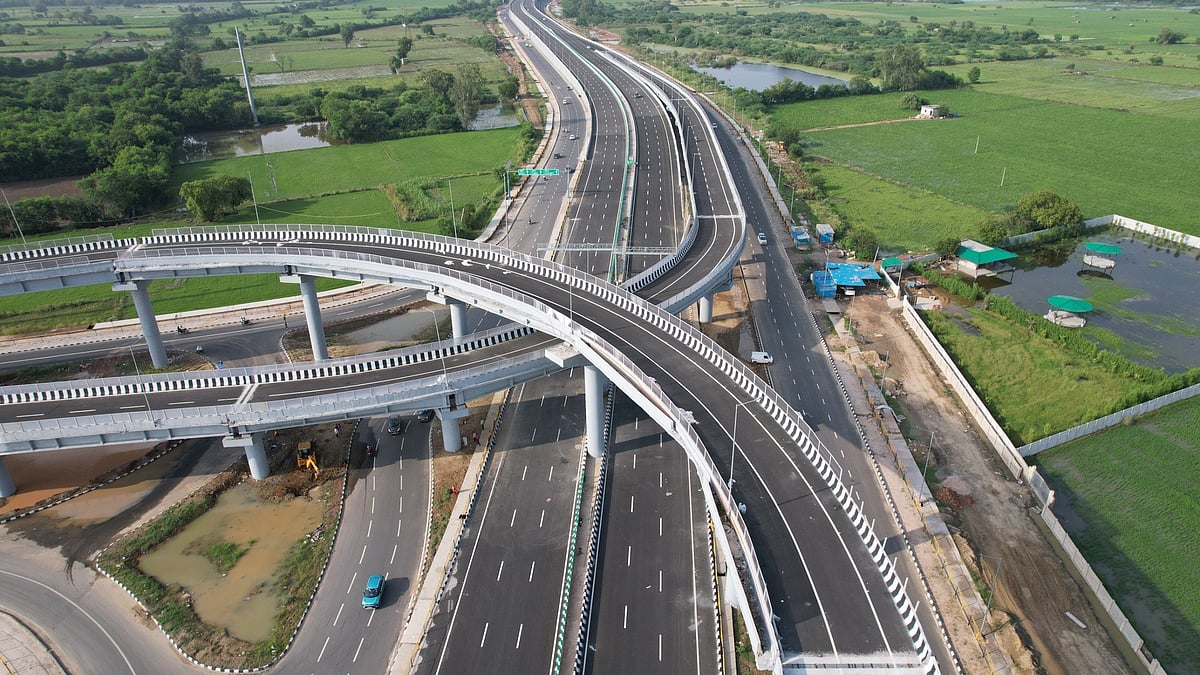
Designed as a fully access-controlled six-lane corridor with closed tolling, the highway will support average vehicular speeds of 60 kmph with a design speed of 100 kmph. The modern design will ensure uninterrupted traffic flow, improved road safety, and lower operating costs for vehicles.
By reducing congestion and accidents, the corridor is expected to significantly improve travel reliability while supporting long-term infrastructure resilience.
Employment Generation and Regional Growth
The project is projected to generate approximately 251.06 lakh man-days of direct employment and 313.83 lakh man-days of indirect employment during its construction and operational phases. Additional employment opportunities are expected to emerge due to increased economic activity along the corridor.
Enhanced infrastructure is also likely to accelerate the overall economic development of Nashik, Ahilya Nagar, Dharashiv, and Solapur districts by improving access to markets, education, healthcare, and industrial hubs.