
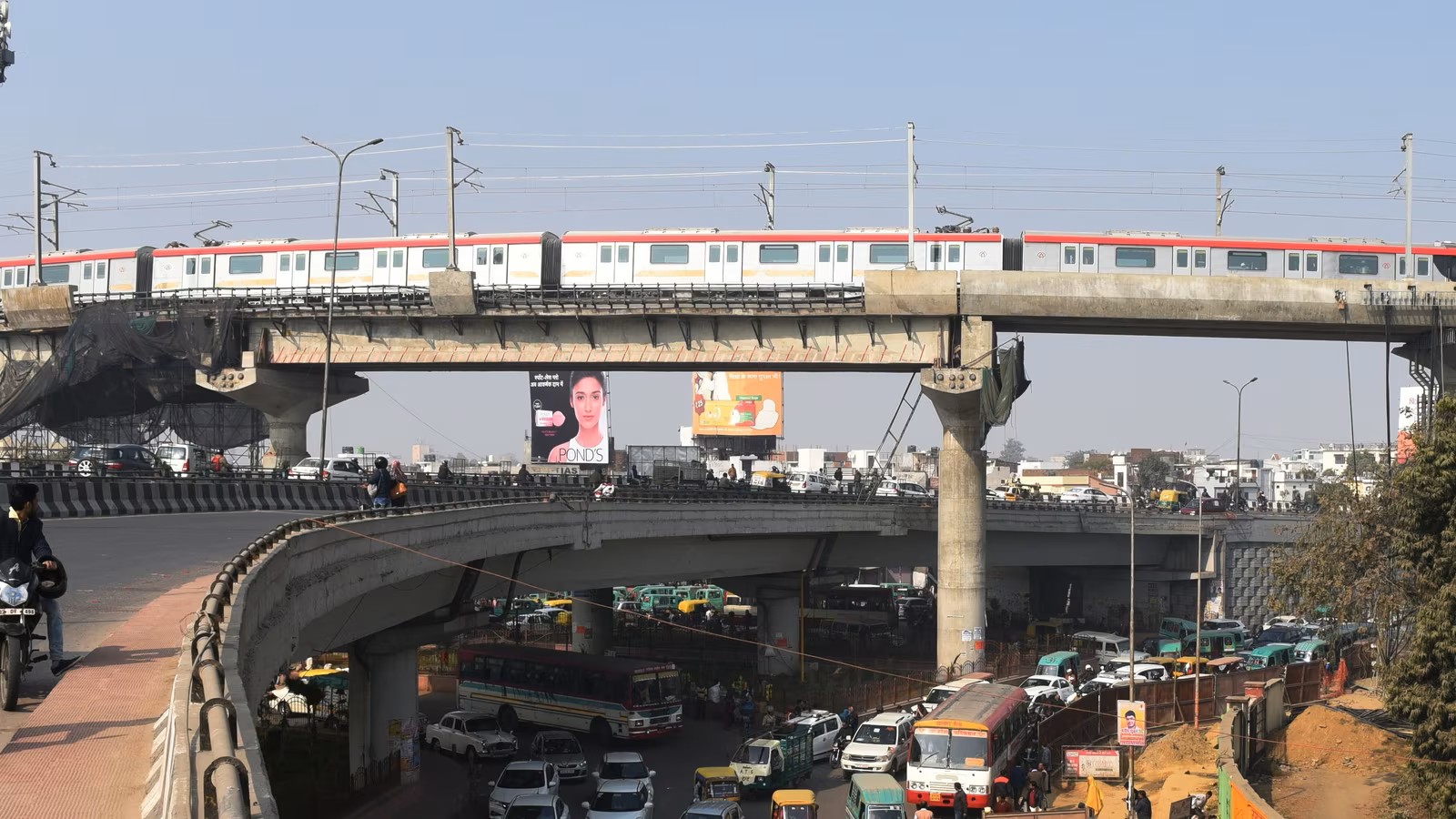
Cabinet Approves Lucknow Metro Phase-1B Expansion
Once operational, Lucknow’s metro network will span 34 km, greatly improving mobility and accessibility for residents and visitors alike.
Connecting Old Lucknow’s Heart
Phase-1B will integrate Old Lucknow’s major commercial, cultural, and healthcare zones into the metro network. Key areas such as Aminabad, Yahiyaganj, Pandeyganj, and Chowk, famous for their bustling markets, will gain modern, rapid transit access.
The corridor will also connect critical facilities like King George’s Medical University and major tourist attractions including Bara Imambara, Chota Imambara, Bhool Bhulaiya, Clock Tower, and Rumi Darwaza. Food enthusiasts will find it easier to reach the city’s renowned culinary hubs.
Tackling Traffic and Pollution
The new metro line aims to reduce chronic traffic congestion in Old Lucknow, where narrow roads and heavy traffic often cause delays. By offering a fast alternative, commuters will rely less on road transport, resulting in smoother traffic, shorter travel times, and safer roads.
Environmentally, the metro will cut carbon emissions by encouraging people to switch from fuel-based vehicles to electric-powered trains.
Boosting Economic and Social Growth
Improved connectivity will unlock economic opportunities by linking markets, tourist spots, and transport hubs, including the airport, railway stations, and bus depots. Local businesses near new stations are expected to see increased footfall, attracting investments to previously less accessible areas.
The project also promotes social equity. Affordable, efficient public transport will benefit all sections of society and help bridge socio-economic gaps.
Transforming Lucknow’s Urban Landscape
Phase-1B is not just an infrastructure project — it is shaping Lucknow into a more connected, sustainable, and tourist-friendly city. With faster travel, cleaner air, and enhanced economic growth, this expansion will play a key role in the city’s future development.