New Delhi: The Commission for Air Quality Management (CAQM) has flagged significant gaps in the upkeep of several road stretches maintained by the Delhi Development Authority (DDA) following an extensive inspection drive across the national capital.
 Focus on Dust, Waste and Open Burning
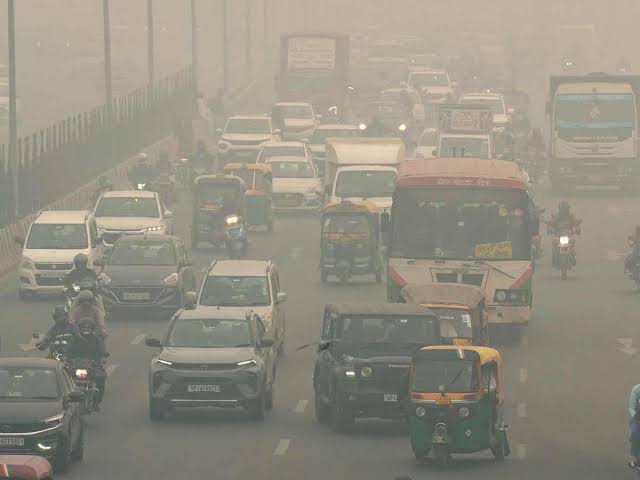
The primary objective of the inspection drive was to assess the accumulation of visible road dust, municipal solid waste (MSW) and construction and demolition (C&D) waste along major stretches maintained by the DDA.
The teams also checked for incidents of open burning of MSW and biomass, a known contributor to particulate matter levels in Delhi’s air. Such activities are strictly prohibited under existing pollution control regulations.
To ensure transparency and accountability, geo-tagged and time-stamped photographs were captured during inspections and submitted to the Commission as part of a consolidated report.
Key Findings from the Inspection
According to the compiled data, 15 road stretches were found to have high levels of visible dust, while 38 stretches showed moderate dust accumulation. Another 61 stretches recorded low dust intensity, and only 22 stretches were found to be free from visible dust.
In addition to dust, accumulation of waste was a major concern. MSW was observed on 55 road stretches, while 53 stretches showed the presence of C&D waste, indicating lapses in routine cleaning and disposal mechanisms.
Six road stretches were also reported to have evidence of MSW or biomass burning, highlighting non-compliance with pollution control norms despite repeated advisories.
Commission Highlights Recurring Negligence
CAQM noted that the findings point to recurring negligence and evident gaps in the maintenance of several DDA-managed road stretches. The Commission stressed that such lapses directly contribute to elevated particulate matter levels and deteriorating air quality in the city.
Emphasising the need for immediate corrective measures, the Commission called upon the DDA to enhance its operational efficiency and ensure consistent, timely dust mitigation interventions across all stretches under its control.
The Commission also underlined the importance of achieving full compliance in preventing open burning of MSW and biomass, stating that even isolated incidents can significantly impact local air quality.
Strengthening On-Ground Action
CAQM recommended a range of strengthened on-ground actions to address the identified gaps. These include regular mechanical sweeping of roads, prompt and scientific disposal of collected dust, and proper maintenance of road shoulders and central verges.
The Commission further emphasised the deployment of water sprinkling and dust suppression systems, especially on stretches prone to frequent dust accumulation.
Focused and sustained action to prevent open burning, including stricter supervision and enforcement, was also highlighted as a critical requirement.
Operation Clean Air to Continue
Reiterating its commitment to improving air quality in the National Capital Region, CAQM stated that such targeted inspection drives under ‘Operation Clean Air’ will continue in the coming months.
The objective, the Commission said, is to ensure strict adherence to its statutory directions on dust control and waste management, and to keep road stretches across Delhi clean, dust-free and compliant with regulatory measures.