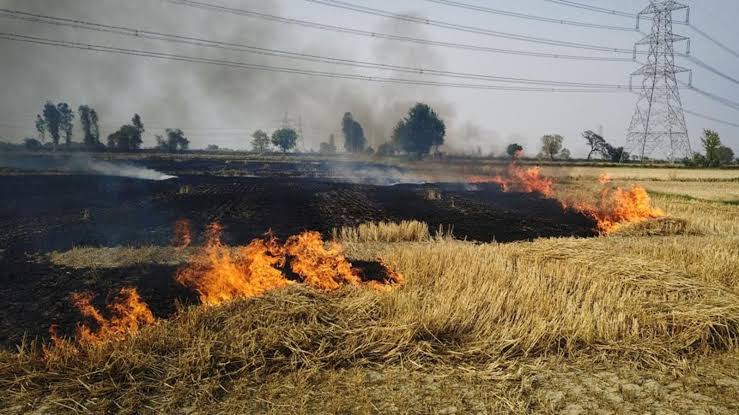
The Commission for Air Quality Management (CAQM) has taken robust steps to reduce air pollution in the NCR region. In two critical review meetings held on July 3, 2025 in Chandigarh, CAQM engaged with Punjab and Haryana governments to assess the progress on key mitigation measures like stubble burning elimination, dust control, vehicular emissions, and biomass co-firing.
 Haryana’s Action Plan in Spotlight
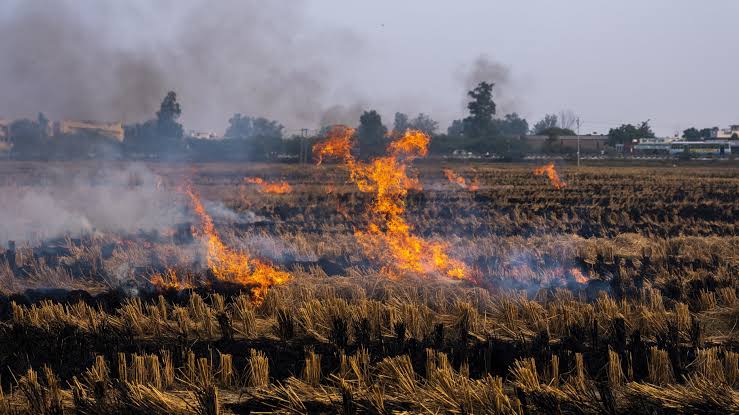
During the review with Haryana, CAQM stressed eliminating paddy stubble burning by 2025. The State’s preparedness was assessed in line with its approved action plan. Officials highlighted efforts to use paddy straw-based biomass pellets in brick kilns and power plants. Haryana’s performance in achieving 5% biomass co-firing targets for 2025–26 was also examined.
Additionally, road dust mitigation through redevelopment of major roads was discussed. The Commission reviewed steps like ANPR camera installations under Direction 89, phasing out End-of-Life vehicles, and shifting commercial vehicles towards cleaner mobility.
CAQM also emphasized the transition of all buses entering Delhi to clean fuel—especially those under All India Tourist Permits and aggregator-based services. Diesel auto-rickshaw phase-out and inter-city bus conversion to CNG or electric modes were top priorities.
Punjab’s Preparation for Stubble-Free Winter
The same day, CAQM reviewed Punjab’s anti-stubble burning strategy. Officials discussed the State’s preparedness for a zero-burn scenario and its roadmap for 5% biomass co-firing in 2025–26. The mandatory use of biomass pellets in kilns was reiterated.
CAQM also addressed Punjab’s efforts to reduce vehicular emissions. These include restricting polluting transport vehicles and migrating buses to cleaner energy options. Emphasis was placed on timely enforcement of directions to avoid a spike in pollution levels during the upcoming winter season.
Field Visits for On-Ground Monitoring
On July 4, 2025, the Commission’s team conducted field visits across Haryana and Punjab. Projects like Pelletisation Units, CBG Plants, Biomass Power Stations, and 2G Ethanol Plants were inspected. These visits gave insights into the real-time technological progress in stubble management.
Coordinated Push for Clean Air
Chairperson Shri Rajesh Verma led both reviews, reinforcing the need for strict enforcement of directions. CAQM appreciated progress by both states but urged for greater coordination and timely action. This is especially important as the region gears up for the winter pollution season.
The Commission underlined that a shared commitment from all stakeholders is essential to ensure visible and measurable air quality improvements in NCR. With both Punjab and Haryana stepping up efforts, the goal of a cleaner, healthier winter may be within reach.
Conclusion
Air pollution in NCR has long been a pressing issue. Through coordinated strategies involving agriculture, transportation, energy, and environment departments, CAQM is ensuring comprehensive mitigation. The next few months will be crucial in determining how well these plans are implemented and sustained.