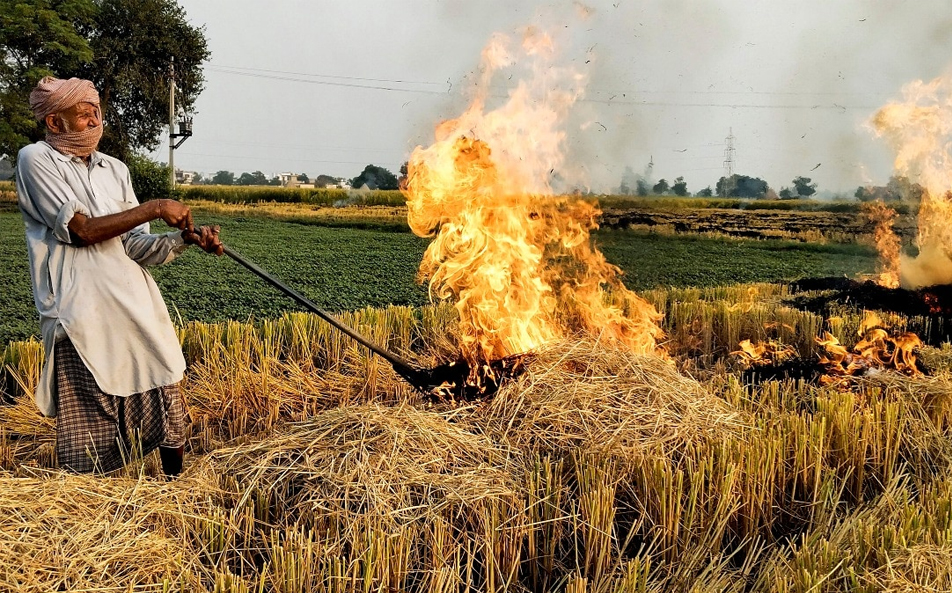
The Commission noted that agricultural residue burning significantly deteriorates air quality not only locally but across the National Capital Region (NCR) and adjoining areas. Therefore, it emphasized structured seasonal preparedness well before the April–May wheat harvesting period.
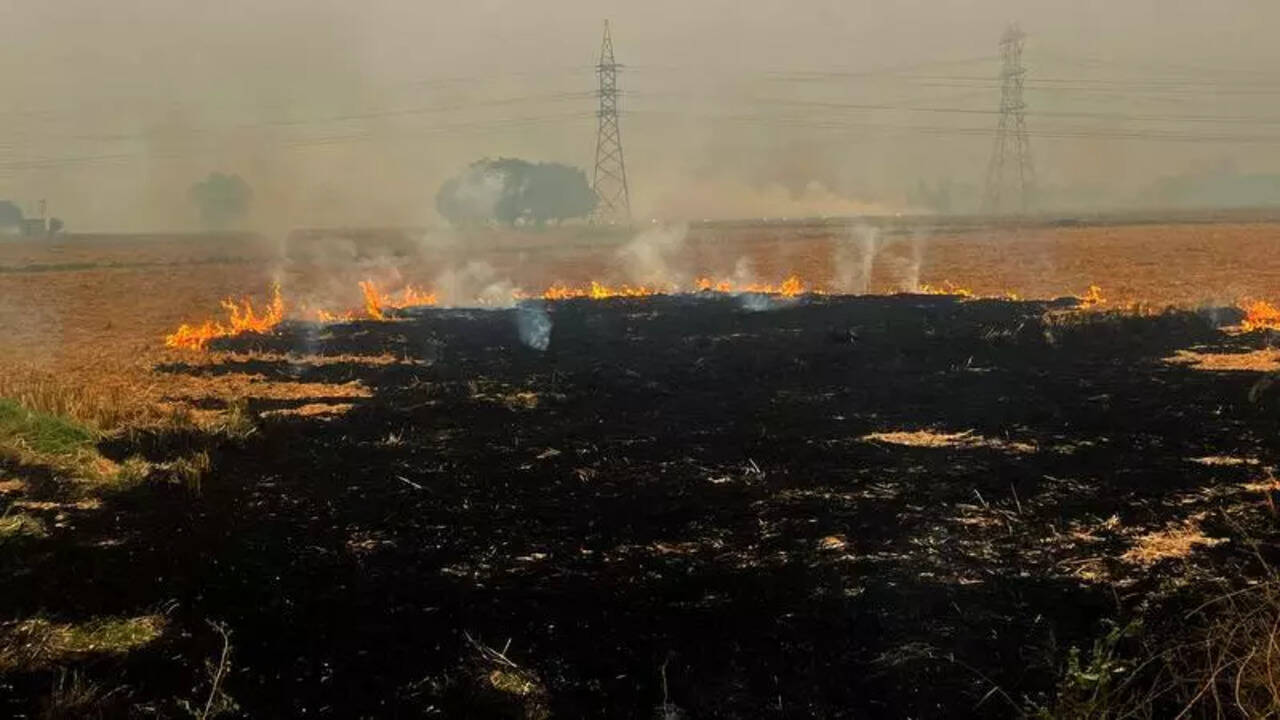 Rising Wheat Season Fire Incidents
According to satellite-based monitoring data developed under a standard protocol by ISRO and IARI, thousands of farm fire incidents were recorded during the wheat harvesting season from April 1 to May 31, 2025.
Punjab recorded 10,207 fire events, Haryana reported 1,832 incidents, while NCR districts of Uttar Pradesh witnessed 259 such cases. These figures underscored the urgent need for targeted wheat-season interventions alongside existing paddy-season measures.
Officials said that wheat stubble burning, though shorter in duration compared to paddy burning, contributes substantially to seasonal pollution spikes. The Commission deliberated the matter in its 26th meeting held on December 22, 2025, followed by consultations with the concerned state governments.
State Action Plans Made Mandatory
Under Direction No. 96, CAQM has instructed Punjab, Haryana and Uttar Pradesh to implement their State-specific Action Plans in both letter and spirit. The plans must focus on eliminating and controlling wheat stubble burning through viable alternatives.
The states have been asked to map every farm across villages and identify the proposed mode of stubble management. These include crop diversification, in-situ management, ex-situ utilization, and use of straw as fodder.
Each district must designate nodal officers, with a maximum of 100 farmers assigned to one officer to ensure close monitoring and coordination. This farm-level accountability mechanism aims to prevent fire incidents before they occur.
CRM Machines and Supply Chain Strengthening
The Commission has directed states to ensure optimum availability and utilization of Crop Residue Management (CRM) machines, particularly during peak harvesting days. A mobile application-based system will help track machine deployment and accessibility.
Small and marginal farmers must receive rent-free access to CRM machines through Custom Hiring Centres (CHCs). Additionally, adequate storage facilities for wheat straw must be created to prevent accidental or intentional burning.
A robust district-level supply chain plan has also been mandated to promote ex-situ use of wheat straw. This includes its utilization as fodder and other industrial applications, ensuring year-round demand and sustainable disposal.
Creation of ‘Parali Protection Force’
One of the most significant measures announced is the constitution of a dedicated ‘Parali Protection Force’ (PPF) at district and block levels. The force will comprise police personnel, agriculture officers, administrative officials and other stakeholders.
The PPF will actively monitor vulnerable areas, intensify evening patrols and respond swiftly to any incident of open burning. Enforcement agencies have been asked to strengthen surveillance particularly during late hours when such incidents are more likely.
States must also implement appropriate environmental compensation mechanisms against violations, ensuring accountability.
Awareness and Reporting Mechanism
CAQM has emphasized extensive Information, Education and Communication (IEC) campaigns to educate farmers about the harmful effects of stubble burning and promote best practices. Farmers will also be informed about government schemes supporting alternative residue management techniques.
The governments of Delhi and Rajasthan have been advised to make all possible efforts to eliminate wheat stubble burning within their jurisdictions.
Monthly progress reports must be submitted to the Commission for continuous monitoring and corrective action. Officials say this structured reporting framework will ensure transparency and sustained oversight.
The detailed statutory direction is available on the official portal of the Commission for Air Quality Management and the Press Information Bureau (https://pib.gov.in).
Focus on Long-Term Air Quality Improvement
With this proactive directive, CAQM aims to prevent a repeat of seasonal pollution episodes that severely impact public health across NCR cities including Delhi. Experts believe early preparedness during the wheat harvesting season can significantly reduce cumulative air pollution levels.
The Commission’s latest move signals a shift from reactive measures to preventive planning, combining enforcement, technology, farmer support and awareness to tackle agricultural residue burning at its roots.
As states prepare for the 2026 wheat harvest, the effectiveness of these coordinated action plans will be closely watched by environmental regulators and citizens alike.