High-Level Review of NCR Districts
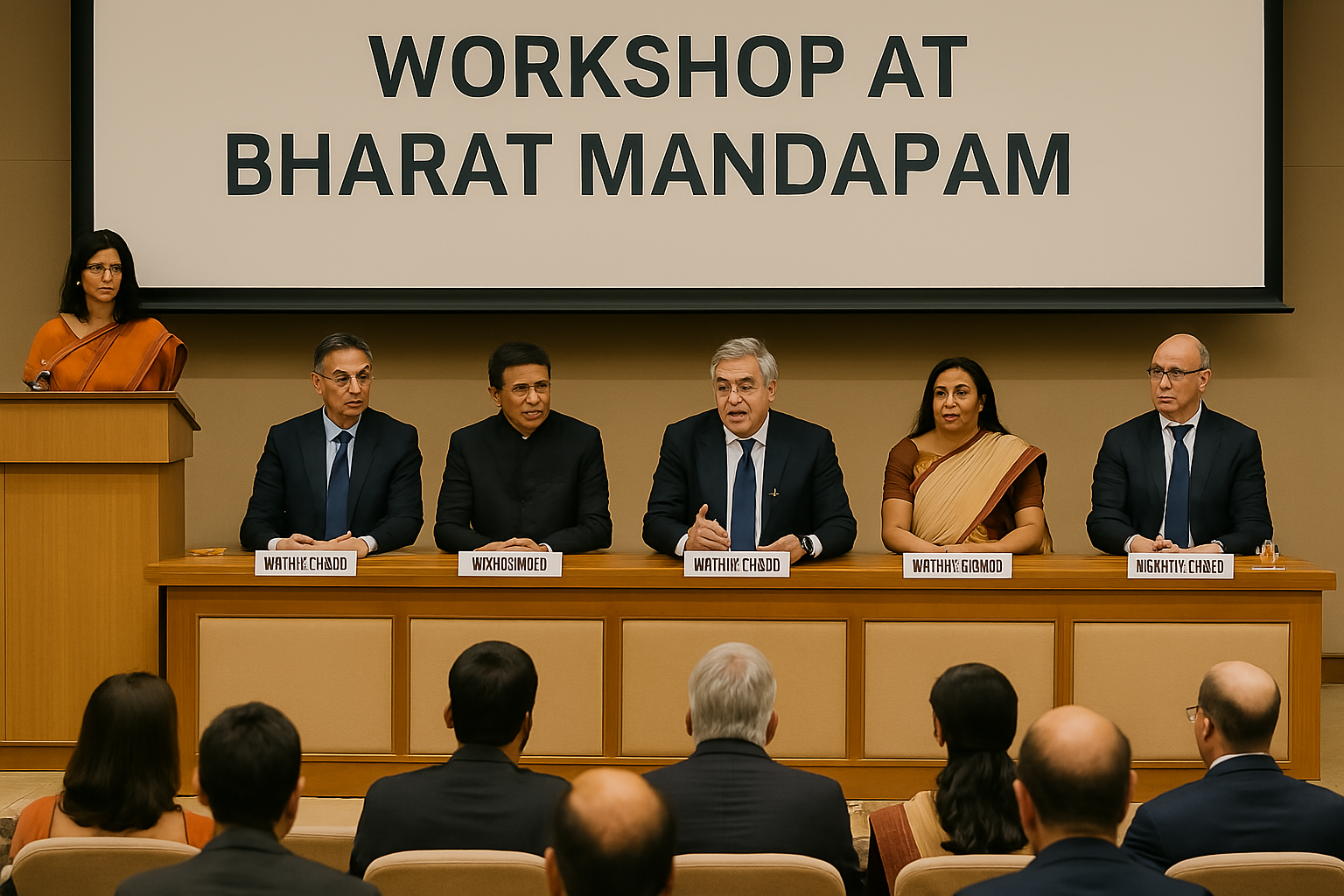
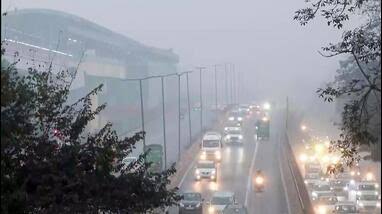
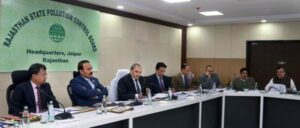
A high-level review meeting chaired by CAQM Chairperson Shri Rajesh Verma was held in Jaipur on January 27 to assess Rajasthan’s preparedness for tackling air pollution in its NCR districts Alwar, Bharatpur and Bhiwadi. The review focused on City Annual Action Plans 2026 and the State Annual Action Plan covering major pollution sources.
Presentations highlighted emissions from vehicles, construction and demolition activities, road and open-area dust, municipal solid waste, and industrial operations. CAQM emphasised that future strategies must be comprehensive, measurable and time-bound to achieve tangible air quality improvements.
 City Action Plans to Be Revised
CAQM directed the three cities to submit revised City Annual Action Plans within one week. The revised plans must be forward-looking and include complete road coverage plans with financial assessments, strengthening of road infrastructure, and paving of pedestrian pathways.
Cities were also instructed to deploy adequate mechanical road sweeping machines, develop safe cycling tracks, and expand air quality monitoring networks. Bharatpur, in particular, was directed to install an additional Continuous Ambient Air Quality Monitoring Station to improve data-driven decision-making.
Mandatory PM2.5 Reduction Targets
The Commission stressed that cities must adopt clear strategies for reducing PM2.5 pollution with a minimum annual reduction target of 10 percent. Identified gaps in implementation are to be bridged within two years, while municipal solid waste processing capacities must be reassessed based on current waste generation.
Information, Education and Communication (IEC) activities are to be intensified and targeted at relevant stakeholders to ensure public participation and behavioural change.
State Action Plan Focus Areas
The State Annual Action Plan 2026 was reviewed in detail, with CAQM reiterating the need for at least a 10 percent annual pollution reduction. The Commission highlighted the transition to lithium-ion batteries for e-rickshaws, accelerated electrification of two- and three-wheelers, and strengthening of EV charging infrastructure.
Other priorities include installation of Automatic Number Plate Recognition cameras at fuel stations, implementation of Integrated Traffic Management Systems, identification of congestion hotspots, and redevelopment of urban and industrial roads with clear financial planning.
Industrial Emissions and Transport Measures
The Rajasthan State Pollution Control Board presented the status of Online Continuous Emission Monitoring Systems and Air Pollution Control Devices in industries. CAQM warned that industries failing to place orders for OCEMS by January 31, 2026, will face action as per CPCB directions.
To curb vehicular pollution, CAQM stressed automated challaning, decongestion of traffic bottlenecks, augmentation of parking facilities, and phased removal of diesel autorickshaws. Cleaner mobility adoption by aggregators and e-commerce players was also emphasised.
Time-Bound Implementation Stressed
CAQM directed periodic compliance reviews and underlined the importance of strict timelines for implementing all measures. Integrated Command and Control Centres are to be established in Alwar, Bharatpur, Bhiwadi, and at the state headquarters to ensure coordinated action.
The meeting saw participation from senior state officials, municipal bodies and enforcement agencies, reflecting a coordinated push to improve air quality across Rajasthan’s NCR districts.