


The Vehicle Scrappage Policy has emerged as a key pillar of India’s transport reforms. According to data shared in Parliament, over 4,30,306 vehicles have already been scrapped through authorised facilities. These include government-owned vehicles older than 15 years as well as private vehicles that no longer meet safety or emission norms.
By removing ageing and polluting vehicles from the roads, the policy is expected to significantly cut vehicular emissions while encouraging the adoption of safer, modern automobiles. The Ministry of Road Transport and Highways has consistently highlighted the dual benefits of environmental protection and road safety under the scheme.
Rs 2,000 Crore Incentives for States
To accelerate implementation, the Ministry of Finance has allocated Rs 2,000 crore for incentives under the Special Assistance to States for Capital Investment (SASCI) for 2025–26. These incentives are being offered on a first-come, first-served basis, giving States and UTs a strong financial push to adopt scrappage-linked reforms.
States can receive lump-sum incentives ranging from Rs 10 crore to Rs 200 crore, depending on their category, provided they notify and implement additional motor vehicle tax concessions. Separate graded incentives are also available for scrapping government-owned vehicles, ranging from Rs 50,000 to Rs 1.5 lakh per vehicle.
For non-government vehicles, States are eligible for per-vehicle incentives between Rs 5,000 and Rs 20,000, linked to the volume of vehicles scrapped within their jurisdiction. These measures are designed to create a viable ecosystem around authorised scrapping facilities.
Boost to Automated Testing Stations
The incentive framework also covers Automated Testing Stations (ATS), which are critical for assessing vehicle fitness. States can receive Rs 5 crore to Rs 9 crore per ATS, depending on whether the facility is located in a high-priority district. A portion of the incentive is linked to timely award of work and the rest to operationalisation, with additional rewards for early completion.
This push is expected to improve compliance with fitness norms and ensure that unsafe vehicles are identified before they pose risks on the road.
Cashless Treatment for Road Accident Victims
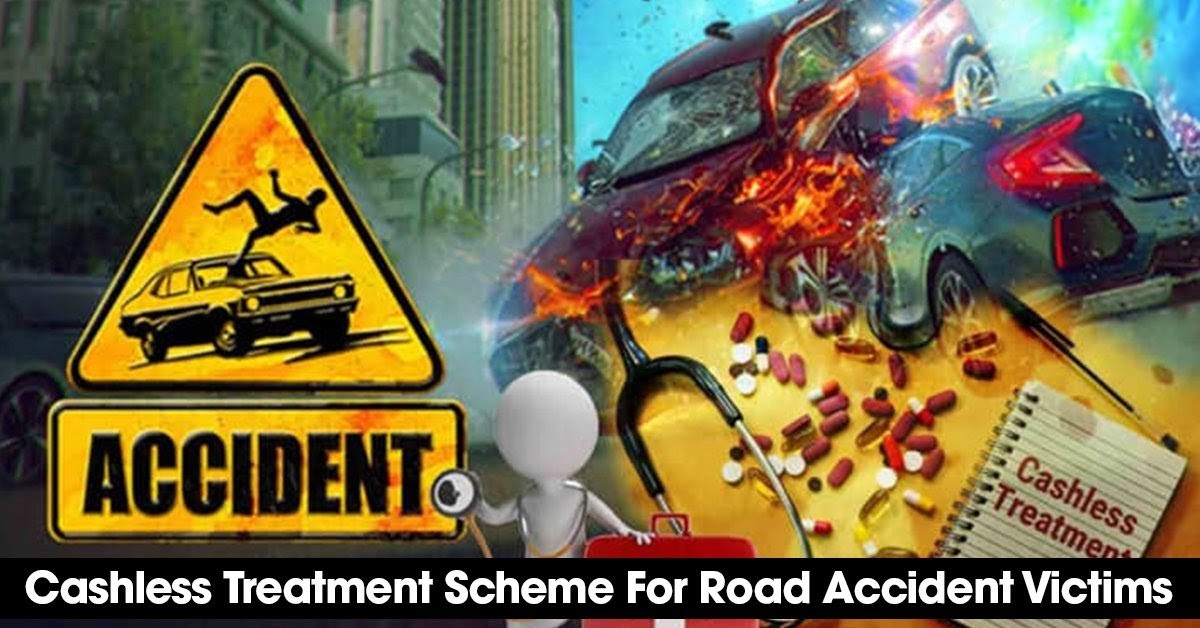
Alongside preventive measures, the government has strengthened post-accident care through the Cashless Treatment for Road Accident Victims Scheme, 2025. Notified under Section 162 of the Motor Vehicles Act, the scheme provides treatment cover of up to Rs 1.5 lakh per victim for a maximum period of seven days.
Every accident victim is entitled to immediate stabilisation and treatment at designated hospitals—up to 24 hours in non-life-threatening cases and up to 48 hours in life-threatening cases, subject to police response. Importantly, this statutory scheme overrides any other Central or State-level schemes.
The system integrates the electronic Detailed Accident Report (e-DAR) platform used by police with the Transaction Management System (TMS 2.0) of the National Health Authority, ensuring faster claims and payments to hospitals. Reimbursements are made through the Motor Vehicle Accident Fund, supported by insurance companies and budgetary allocations.
Targeting Accident Black Spots
The government has also intensified efforts to reduce accidents on National Highways by identifying and rectifying black spots. Short-term measures such as improved signage, crash barriers, road markings and traffic calming devices are being implemented alongside long-term solutions like junction redesign and construction of underpasses.
Road Safety Audits by third-party experts have been made mandatory at all stages of highway development. Dedicated Road Safety Officers have been appointed at regional offices to oversee audits and corrective actions.
Technology and Good Samaritan Protection
Electronic monitoring and enforcement rules are being rolled out on high-risk corridors and in major cities, while ambulances with trained medical staff are now stationed at toll plazas on completed highway corridors. The government has also enhanced protection for Good Samaritans under the revised Rah-Veer scheme, increasing the reward to Rs 25,000.
Together, these initiatives signal a comprehensive approach to road safety, combining policy reform, technology, infrastructure and human intervention.