
Pollution, Weather and Population Density at Play
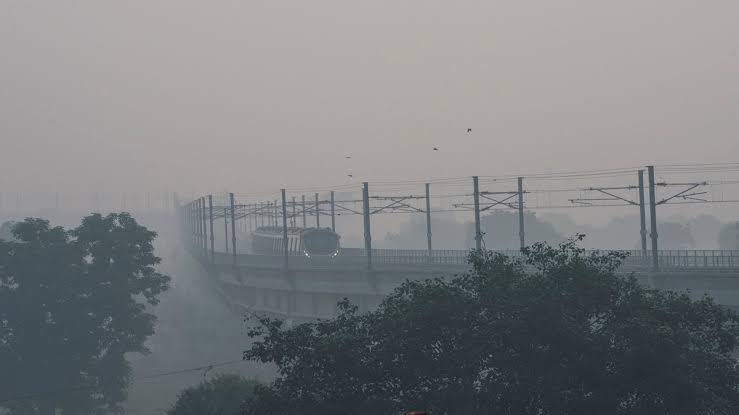
The Indo-Gangetic Plain, which includes Delhi, is among the most densely populated and polluted regions in the world. During winter, western disturbances cause sudden drops in temperature and increases in humidity, creating stagnant air conditions that trap pollutants close to the ground. This environment, according to researchers, encourages bacterial accumulation in the atmosphere.
“PM2.5 particles are small enough to penetrate deep into the lungs. When bacteria attach to them, the health risks multiply,” the study noted. The researchers also found that crowded areas of Delhi show much higher bacterial counts, suggesting a direct correlation between population density, pollution, and airborne microbial communities.
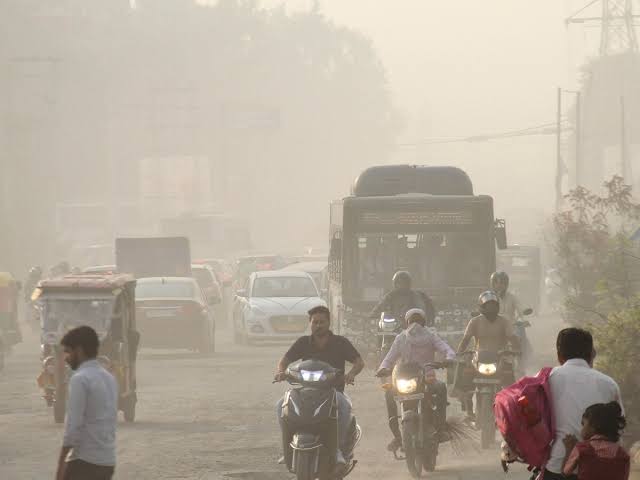

The team led by Dr. Sanat Kumar Das observed that the transition from winter to summer, particularly during hazy days and winter rains, creates high-risk periods for the spread of airborne diseases. During these times, a combination of weather patterns and pollution levels allows bacteria to survive longer in the air, heightening infection risks.
This seasonal pattern suggests that public health systems need to be more alert during these transitional months, as urban populations may unknowingly face increased exposure to harmful microbes.
Wake-Up Call for Urban Health Planning
The study, published in the international journal Atmospheric Environment: X, emphasises the need for urban health policies to account not just for chemical pollutants but also biological contaminants in the air. For megacities like Delhi, where over 30 million people breathe polluted air daily, the findings could have significant implications.
Experts argue that city planning and health infrastructure must integrate strategies to mitigate these microbial threats. Monitoring airborne bacteria, forecasting outbreak risks, and designing cleaner urban spaces may become essential tools for safeguarding public health.
Global and Local Implications
With air pollution already recognised as one of the biggest health hazards worldwide, the revelation that bacteria hitch rides on fine particles raises the stakes even higher. The study suggests that megacities across the Indo-Gangetic Plain and beyond may be facing similar challenges, especially during periods of poor air quality.
By understanding how environmental factors influence bacterial survival and transmission, scientists believe governments can improve preparedness for disease outbreaks, especially in rapidly urbanising regions.