
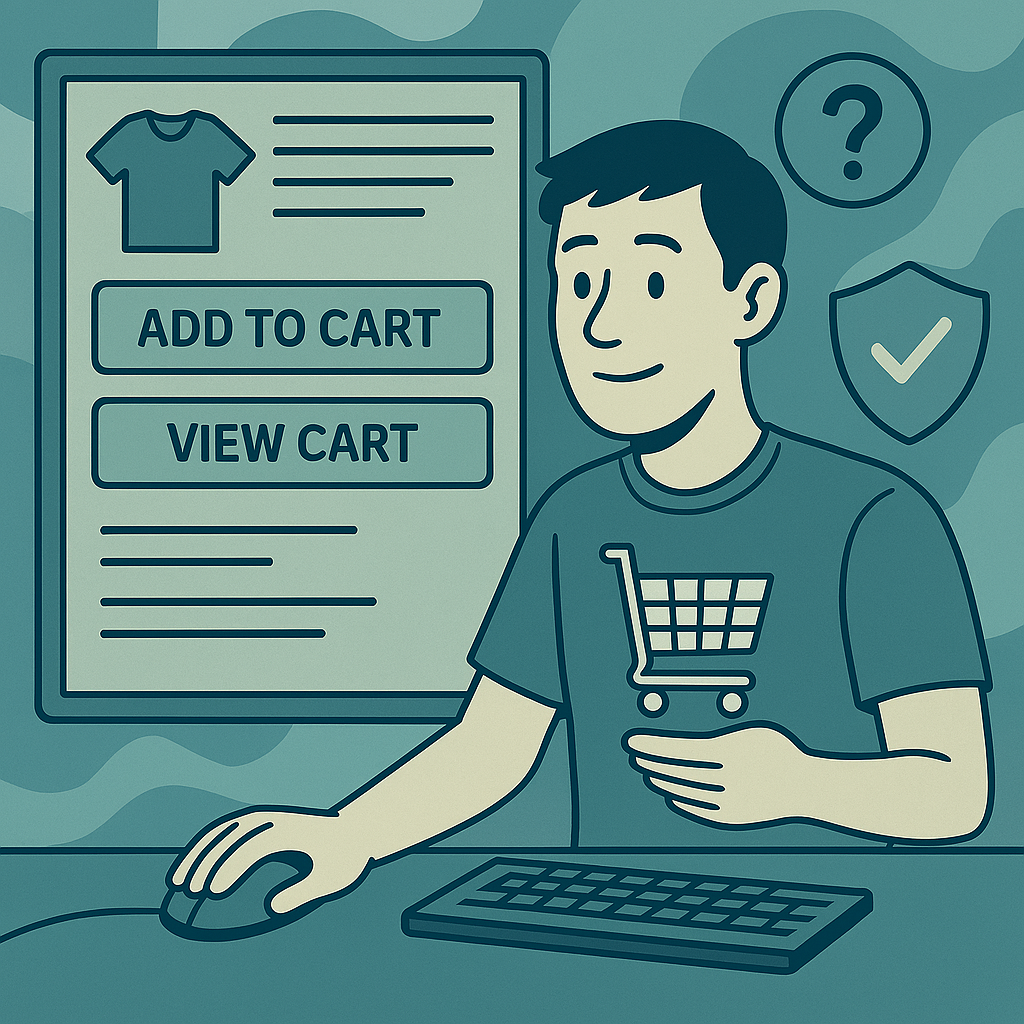
The Central Consumer Protection Authority (CCPA) has issued a strong advisory to all e-commerce platforms. They must conduct self-audits within three months. The aim is to find and remove “dark patterns” from their websites and apps.
Dark patterns are design tricks that mislead or manipulate shoppers. These unfair practices harm consumers and break trust. The CCPA wants all platforms to ensure their sites are free of these deceptive designs.


E-commerce platforms must carefully check their digital interfaces. After completing audits, they should submit self-declarations. These declarations will confirm that no dark patterns exist on their platforms. This step builds trust between buyers and sellers.
The CCPA has already sent notices to some platforms violating the 2023 guidelines. Those platforms have been told to stop using dark patterns immediately.
Understanding Dark Patterns
The Department of Consumer Affairs has identified 13 common dark patterns, such as:
-
False urgency: Fake limited-time offers that push quick buying
-
Basket sneaking: Adding items to carts without consent
-
Confirm shaming: Guilt-tripping users into purchases
-
Forced action: Making certain actions compulsory
-
Subscription traps: Difficult to cancel subscriptions
-
Interface interference: Confusing or tricky layouts
-
Bait and switch: Promising one thing but delivering another
-
Drip pricing: Hidden or extra charges added late
-
Disguised advertisements and nagging
-
Trick wording: Misleading or confusing language
-
SaaS billing tricks
-
Rogue malware
These tactics confuse or pressure users to buy things they do not want.
Joint Working Group to Combat Dark Patterns
The government created a Joint Working Group (JWG). It includes members from ministries, regulators, consumer groups, and law schools.
The JWG will:
-
Identify dark patterns on e-commerce platforms
-
Monitor if platforms follow the rules
-
Report findings regularly to the Consumer Affairs Department
-
Suggest awareness campaigns for consumers
The goal is to make online shopping safe and fair for everyone.
Why This Issue Matters
India’s digital market is growing fast. But unfair tricks hurt consumers and reduce trust. Dark patterns use psychology to mislead buyers. They cause bad decisions and financial losses.
The CCPA’s action is part of a bigger plan to protect consumers in the digital age. The government wants online shopping to be clear and honest.
Steps E-Commerce Platforms Must Take
Platforms must:
-
Conduct self-audits within three months
-
Remove all dark patterns found
-
Submit a self-declaration confirming compliance
-
Stop using deceptive designs immediately
-
Work with the JWG for ongoing checks
Platforms that ignore these rules risk legal action.
Consumer Awareness and Protection
The government will also run programs to educate consumers. Shoppers will learn how to recognize dark patterns. This knowledge will help them avoid being tricked.
Awareness will push platforms to be more transparent. It will help protect users and improve online trust.
Conclusion
The CCPA’s advisory sends a clear message. Dark patterns have no place in India’s e-commerce market. The government is serious about fair trade and consumer rights.
E-commerce platforms must act quickly. They must clean up their websites and regain consumer trust.
Together, these efforts will create a safer and fairer online shopping experience for all.