
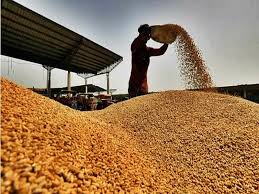
Centre Extends Wheat Stock Limits Till March 2026
The Government of India has revised the wheat stock limits till 31st March 2026 in a bid to curb hoarding, stabilize prices, and ensure ample supply of wheat in the domestic market. This decision comes ahead of the festive season, when demand traditionally rises.
Why Wheat Stock Limits Were Revised
The Department of Food and Public Distribution (DFPD) stated that these measures are part of the government’s ongoing efforts to manage food security and check price manipulation. Officials highlighted that despite sufficient production, speculative hoarding often leads to artificial scarcity and inflation.
Revised Wheat Stock Limits
The new limits will apply to traders, wholesalers, retailers, big retail chains, and processors across all states and union territories. The key revisions include:
- Traders/Wholesalers: Reduced from 3000 MT to 2000 MT.
- Retailers: Reduced from 10 MT to 8 MT per outlet.
- Big Chain Retailers: Reduced from 10 MT to 8 MT per outlet, with a maximum stock limit linked to the number of outlets.
- Processors: Reduced from 70% to 60% of monthly installed capacity multiplied by remaining months of FY 2025-26.
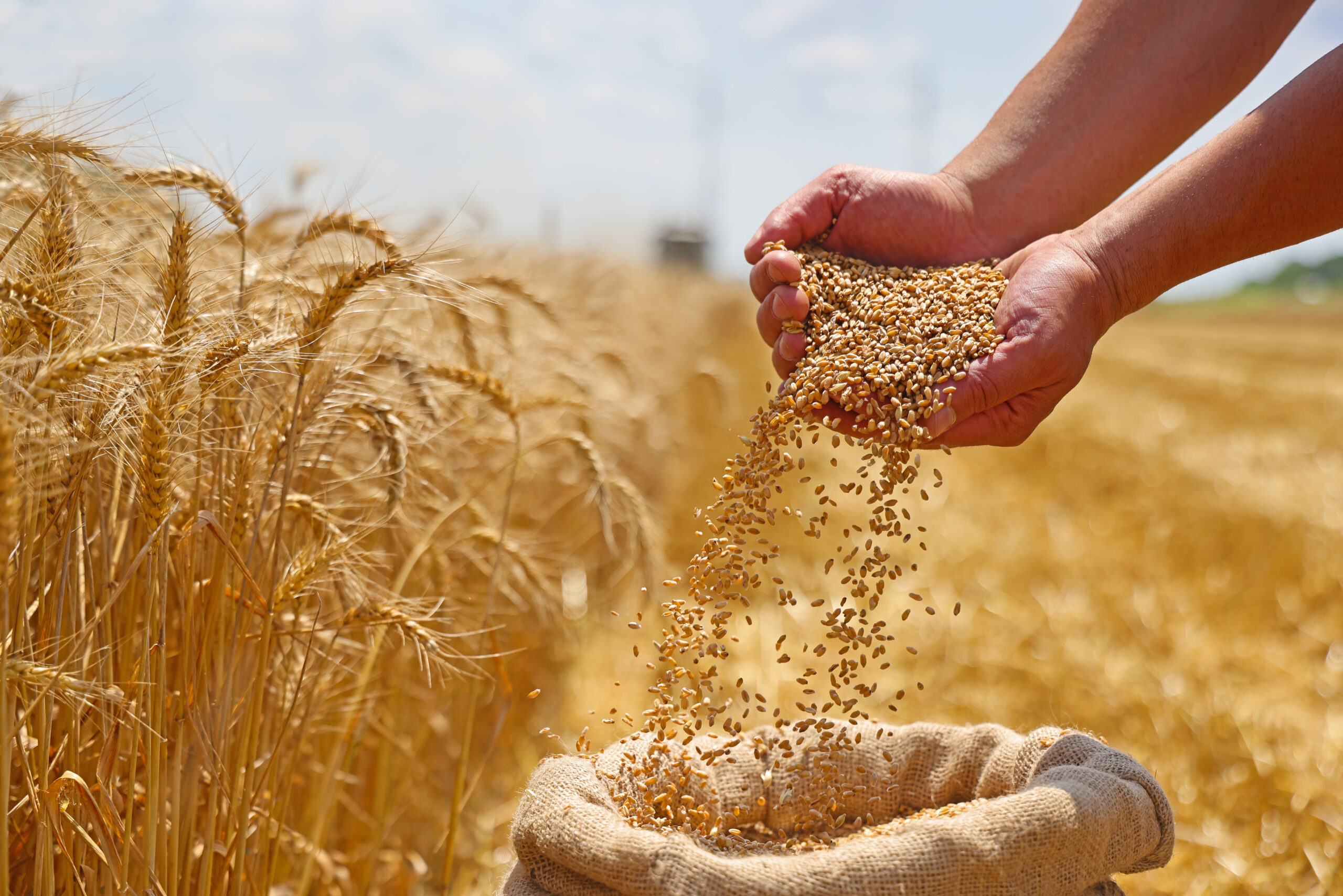

All wheat stocking entities must declare their stock position every Friday on the Wheat Stock Portal. Any violations will attract penalties under the Essential Commodities Act, 1955. Entities holding excess stock must comply with the new limits within 15 days.
Both central and state officials will monitor the implementation to prevent artificial scarcity in markets. The government has warned that non-compliance could invite strict punitive action.
Ample Availability of Wheat
According to official estimates, India recorded a total wheat production of 1175.07 LMT in the 2024-25 crop year. The Centre has already procured 300.35 LMT during the 2025-26 Rabi Marketing Season through FCI and state agencies. This stock is sufficient to meet the requirements of Public Distribution System (PDS), welfare schemes, and market interventions.
The government assured citizens that there is no shortage of wheat in the country and these steps are only precautionary to ensure fair supply and stable prices.
Impact on Consumers and Markets
By tightening stock limits, the Centre aims to prevent speculative hoarding that could push wheat prices higher. For consumers, this means better price stability during festivals and smoother supply for bakeries, food processors, and small retailers.
Market experts believe the move will discourage speculative buying and help ensure that wheat remains affordable for households across India.
Conclusion
With ample wheat production and revised stock limits, the government is sending a strong message that it will not allow hoarding or market manipulation. Continuous monitoring, strict enforcement, and sufficient reserves are expected to maintain food security and price stability through March 2026.